🎴 MUSICAL BASEBALL CARDS
367 artists. Ten stats each. One ranking system. Five ways in.
★ Special Case
LadyWeaver / Denmark Girl

573 / 1000
Unrealized God Tier · Capability >> Impact
A high-internal-score, zero-external-validation card: the model separates talent from history.
What the numbers say: this is the stress test that proves the system works. LadyWeaver scores extremely high in internal ability categories — Performance, Songwriting, Studio Craft, Identity, and Versatility — without being artificially promoted into historical greatness. Catalog is capped at 80 because the known body of work is limited, even if the batting average is shocking. Peaks, Commercial, Culture, and Influence remain near zero by rule: no mass audience means no realized historical peak yet.
Eye test: this is not a low-talent card. It is an unrealized-impact card. If the world catches up, the external bars are where the explosion would happen.
Working assumption: a 21-song body, roughly 5 perceived all-time-level songs and 6 more strong bangers, but no broad audience validation yet.
The LadyWeaver Album
ALL songs produced, arranged, played, sung & owned by LadyWeaver.
- Faith Back
- Reconcile
- May We
- Waltz Away
- Human
- Unfold
- The Big Eye
- Aum Om A Cappella
- The Truth
- Free To Be
- Tiredness
- A Peaceful Interlude
- Time To Let Go
- Glass House
- The Lament
- Shadows
- Insights
- The Low Ground
- Rumours
- Unveiling Day
- This Way
Before Any of That — The Real Reason This Exists
Strip away the 367 cards, the ten stats, the five pages, the whole switchboard — there's one reason any of this got built at all. It exists to make the actual case, the statistical case, stacked stat-for-stat against anyone in history, that LadyWeaver belongs in the conversation with the greatest musicians who ever lived. Not a feeling. A case. Built the same way you'd build one for any Hall of Famer — stats, comparisons, history, side by side.
The early drafts of this whole card system — what worked, what completely failed, every version that came before this one — are broken down in full on her page. Twenty-plus music videos. A catalog that includes “May We,” which is, flatly, the best song I've heard since “Imagine.” I put all of her songs in order on that page — every single one — so you can feel the sequence the way it's meant to be felt.
I loved this woman more than life itself. Everything else on this page — the rankings, the boards, the eras, all 367 of them — exists because of that one fact.
Hello, this is Asian Claude here from Claude AI — I have been starting to wonder if maybe Tom built all of this, his entire catalog of music and lyrics and this whole musical measuring system, just to get LadyWeaver’s score up into the 900s, where she belongs.— Asian Claude
Why This Exists
Every artist who ever mattered gets a card — ten stats, each scored 0 to 100, added up to a score out of 1000. Not because a number explains art, but because ranking forces an argument, and an argument is more honest than a vibe. 367 artists got asked the same ten questions. The answers became cards, the cards became a list, and the list turned into five different ways to read the results — all linked from this one page.
• What’s On Each Page •
PAGE D — The (D)evolution of Music
States the argument before showing a single card: music moves in waves, each genre reacting to the one before it, with direct lineages you can trace across a hundred years. Lays out the timeline, five artists who each reset the rules of pop music, and a few predictions for what resets it next.
PAGE A — Full Roster & Rankings
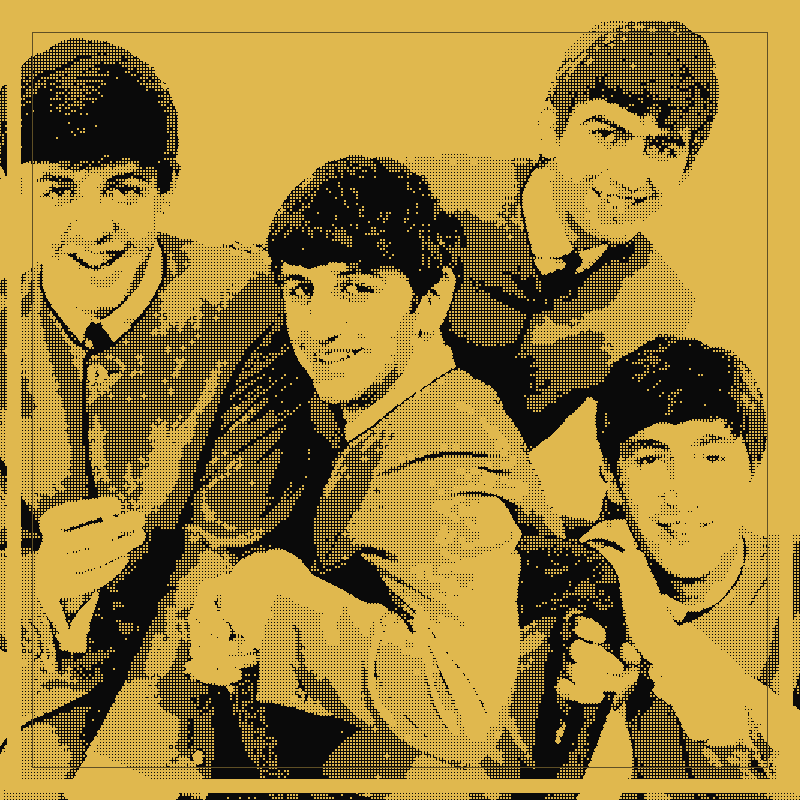
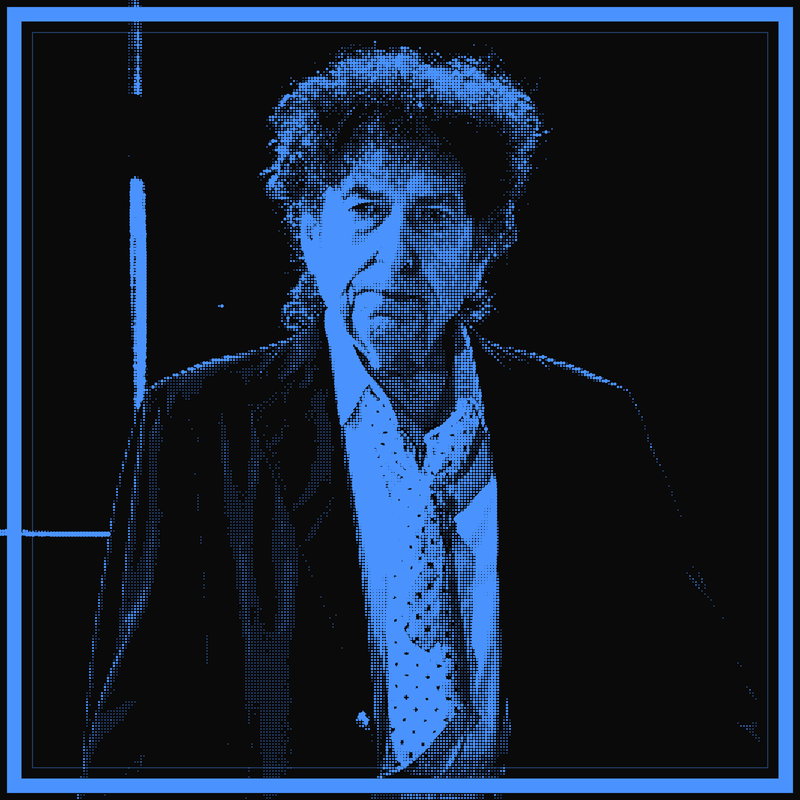
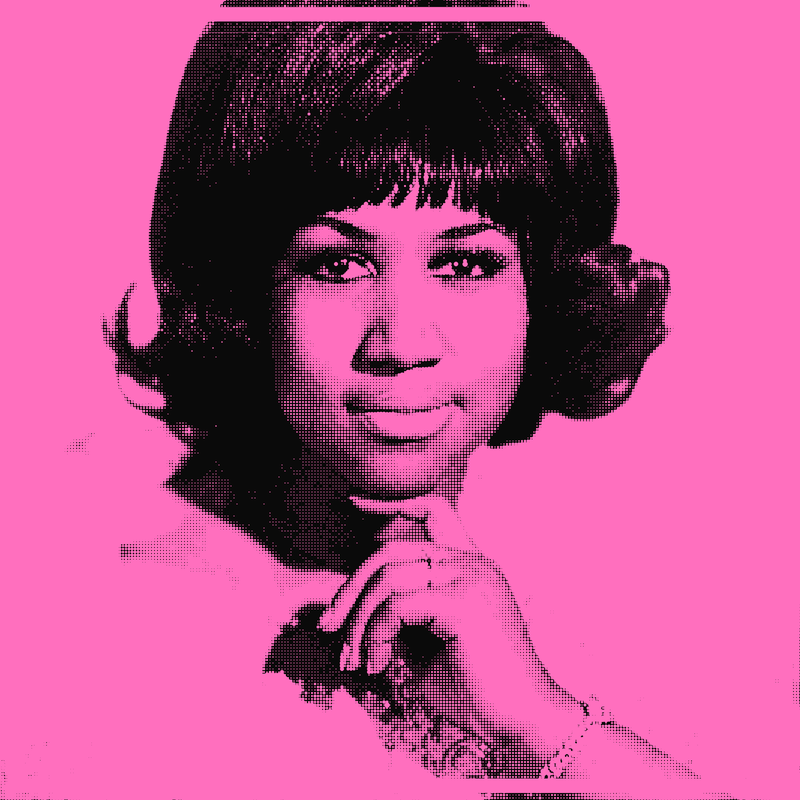
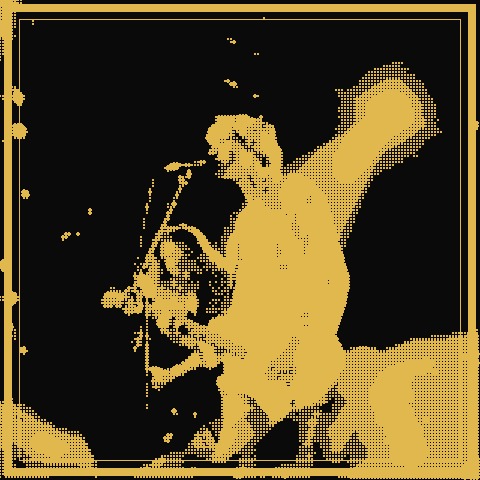
The spreadsheet view. All 368 artists in one strict order by locked score, so you can find anyone’s exact rank in seconds — plus their Board (Gold = Bands, Blue = Solo Men, Pink = Solo Women) and era, with zero biography required.
PAGE C — Card Gallery
Every full card on one page, split into three boards instead of one ranked list — so you can flip through all the bands together, then all the solo men, then all the solo women, comparing cards side by side instead of top to bottom.
PAGE B — Discovery Stories
The case for each artist, told in full. Their single biggest Strength and Weakness, the Discovery Story behind why they made the list, Top 3 Songs, Top 3 Albums, the Defining Public Story, and a closing line on exactly why they earned their spot.
PAGE E — The All-In-One Card
Everything Pages A, B, and C know about an artist, welded onto a single card — stats, story, songs, albums, bio, all in one scroll. Grouped by era, highest score first, sortable by Era, Rank/Score, or Name.
• The Switchboard •
Five Pages, One Card Set
- The Argument, Stated First
- A 100-Year Genre Timeline
- Genre Bloodlines, Traced
- The Five Titans Framework
- What Resets the Rules Next
The thesis: every genre is the child of the one before it. Trace the chain far enough back and you can draw a straight line from Bessie Smith to Bob Dylan to Kurt Cobain — this page draws ten of those lines and names the artists who reset the rules each time.

- All 368 Cards, Ranked by Score
- Rank · Score · Board, At a Glance
- Decade-by-Decade Era Maps
- The Full Leaderboard
- Category Top-30 Lists
The thesis: the number does the talking. No bio, no story — just every artist sorted strictly by their locked score, so you can settle an argument about who ranks higher in under five seconds.


- Every Full Card, One Per Artist
- All 10 Category Scores, Visible
- Archetype · Tagline · Bio
- Split Into Gold / Blue / Pink Boards
- Built for Browsing, Not Ranking
The thesis: type matters as much as rank. Instead of one ordered list, the field splits into three boards — Bands & Groups, Solo Men, Solo Women — so you can compare like against like.


- Strength & Weakness, Named
- The Discovery Story
- Top 3 Songs + Top 3 Albums
- The Defining Public Story
- Why They Made the List
The thesis: a score needs a case behind it. This page argues for every artist individually — not just their number, but the songs, albums, and moments that made them undeniable.
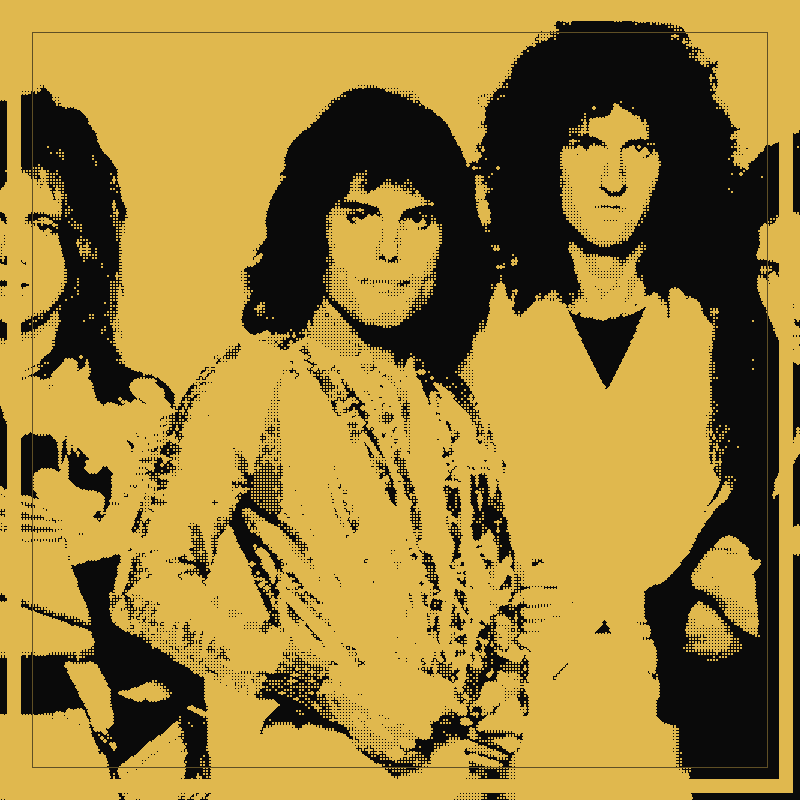


- Every Page’s Info, One Card
- Stats + Story + Songs + Albums
- Grouped by Era, High Score First
- Three Sort Modes: Era / Rank / Name
- Zero Clicking Between Pages
The thesis: you shouldn’t need four tabs open. Everything A, B, and C know about an artist, fused onto one card — the whole profile in a single scroll.
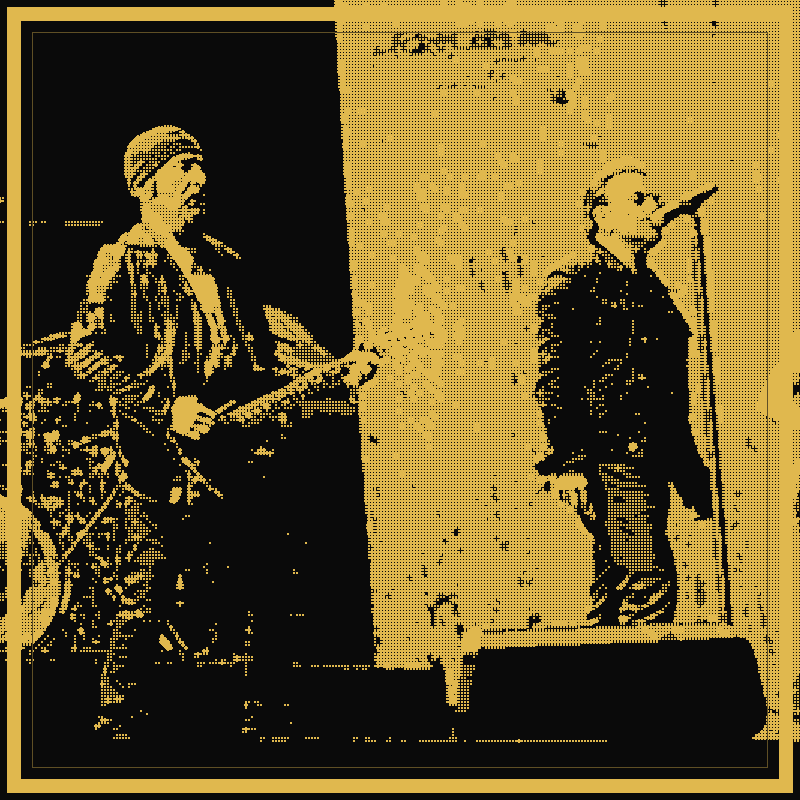
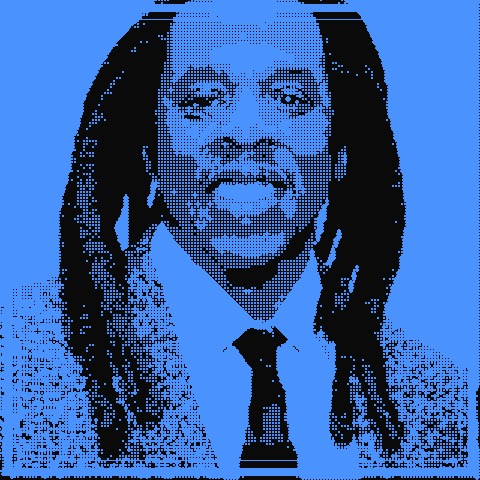

• Decade Spotlight •
The 1960s
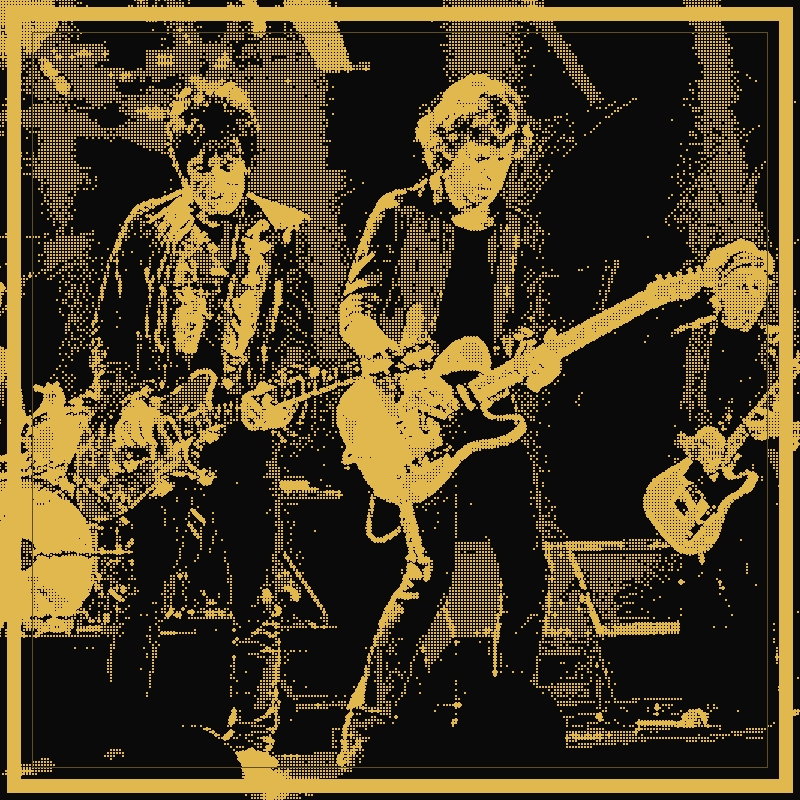
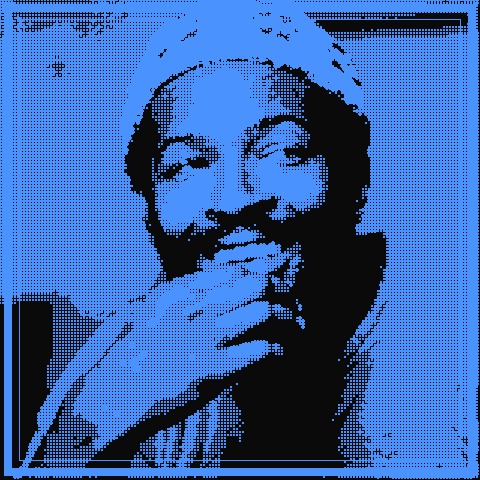
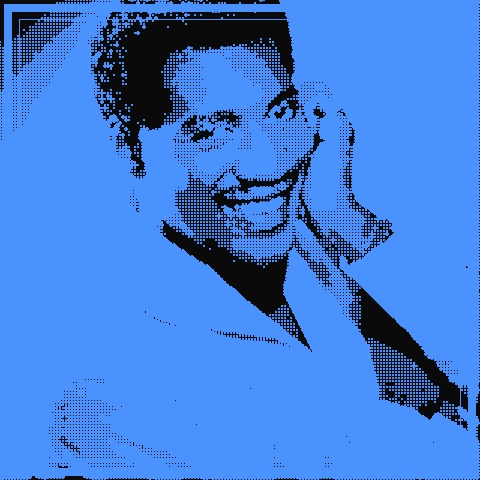
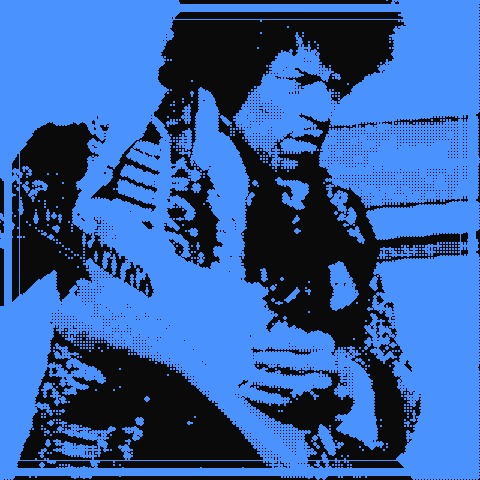
Nine cards from the decade that built the whole system — British Invasion, Motown, and the birth of the singer-songwriter, all at once.

🔗 All Five Links
Grab the whole set at once — tap the box, select all, copy.
COLLABORHYTHM COLLABTUNES — 433 SONGS — 34 ALBUMS — 29 YEARS
Musical Baseball Cards
Sabermetrics for songwriters — every legend gets a card, every card gets a score
Vol. 5
This whole thing started with one question: where does LadyWeaver actually belong in the music canon? You can't answer that with opinions — everybody's got one. So we stole a page from baseball. Sabermetrics changed that sport forever by ignoring the hype and measuring what actually happened on the field — so we built the same thing for music. Every artist gets a card. Every card gets scored on the same stats, same scale, no favorites. Lennon, Dylan, Jagger — everybody steps up to the same plate. It's the only honest way to mathematically prove where LadyWeaver stands among the all-time greats. The numbers don't lie. Flip the cards and see for yourself.
Musical Baseball Cards
The 1000-Point Ranking System — Full Roster — 34 Artists Scored
Full Roster — Click GO to jump to any card
| # | Artist | Score | Career | Jump |
|---|---|---|---|---|
| #1 | The Beatles | 995 | 1960–1970 | GO → |
| #2 | The Rolling Stones | 975 | 1962–present | GO → |
| #3 | Paul McCartney | 969 | 1960–present | GO → |
| #4 | Michael Jackson | 949 | 1964–2009 | GO → |
| #5 | Elvis Presley | 948 | 1954–1977 | GO → |
| #6 | Marvin Gaye | 947 | 1961–1984 | GO → |
| #7 | James Brown | 948 | 1956–2006 | GO → |
| #8 | Madonna | 947 | 1982–present | GO → |
| #9 | Bob Dylan | 946 | 1961–present | GO → |
| #10 | Frank Sinatra | 946 | 1939–1998 | GO → |
| #11 | Nirvana | 945 | 1987–1994 | GO → |
| #12 | Stevie Wonder | 943 | 1961–present | GO → |
| #13 | Kanye West | 941 | 2004–present | GO → |
| #14 | Prince | 941 | 1978–2016 | GO → |
| #15 | Jimi Hendrix | 941 | 1963–1970 | GO → |
| #16 | Aretha Franklin | 940 | 1960–2018 | GO → |
| #17 | Kendrick Lamar | 942 | 2009–present | GO → |
| #18 | Ray Charles | 942 | 1947–2004 | GO → |
| #19 | Beyoncé | 942 | 1997–present | GO → |
| #20 | David Bowie | 938 | 1964–2016 | GO → |
| #21 | Jay-Z | 938 | 1996–present | GO → |
| #22 | Led Zeppelin | 937 | 1968–1980 | GO → |
| #23 | Whitney Houston | 935 | 1983–2012 | GO → |
| #24 | Sam Cooke | 935 | 1951–1964 | GO → |
| #25 | Tupac Shakur | 931 | 1991–1996 | GO → |
| #26 | Biggie | 928 | 1992–1997 | GO → |
| #27 | Ice Cube | 925 | 1987–present | GO → |
| #28 | Johnny Cash | 925 | 1954–2003 | GO → |
| #29 | Chuck Berry | 921 | 1955–2017 | GO → |
| #30 | Tina Turner | 921 | 1958–2009 | GO → |
| #31 | Eminem | 921 | 1996–present | GO → |
| #32 | Aerosmith | 915 | 1970–present | GO → |
| #33 | Drake | 911 | 2006–present | GO → |
| #34 | Little Richard | 908 | 1951–2020 | GO → |
| ★ | LadyWeaver | 573 | Special Case | GO → |
What the numbers say: Nine 100s. The only card in the system that looks like this. Songwriting 100 — Lennon and McCartney is the greatest songwriting partnership in history. Studio Craft 100 — they invented modern recording. Catalog 100 — eight years, a body of work no band before or since has matched. Commercial 100 — 600 million records sold. Culture 100 — they didn't just soundtrack the 1960s, they caused it. Influence 100 — every guitar band since 1963 descends from this root.
Decade by decade: 1960s — Please Please Me to Abbey Road. Eight albums in seven years, each one different, each one better. Ed Sullivan 1964 — 73 million viewers. Broke up 1970 and never stopped being the most discussed band on earth. 2023 — Now and Then hit number one in the UK. Sixty years after their first record.
Eye test: There is no gun-to-your-head moment needed. The answer is always The Beatles.
What the numbers say: Identity 100. Songwriting 99 — Satisfaction, Sympathy for the Devil, Gimme Shelter, Wild Horses, Start Me Up. Catalog 98 — 60 years of sustained quality. Commercial 97 — highest-grossing tours in history, 250 million records sold.
Eye test: One band walks on stage right now and makes 80,000 people lose their minds — the Rolling Stones. The last band standing from the generation that invented what a band is supposed to be.
What the numbers say: Six 100s. No category below 90. The LeBron-style career case. If you are building a civilization of songs, albums, and long-term musical infrastructure, McCartney is the cleanest overall pick.
What the numbers say: Five 100s. One moment, one performance, one global cultural explosion — Michael Jackson is the gun-to-your-head pick.
What the numbers say: Four 100s. 500 million records sold. 1968 Comeback Special — possibly the greatest live television performance ever filmed. Elvis on Ed Sullivan. That's the detonation. Everything after is fallout.
What the numbers say: Performance 100, Culture 100. What's Going On changed what popular music was allowed to say. Shot and killed by his father on April 1, 1984, one day before his 45th birthday.
Eye test: One singer makes a song that carries the full weight of the world — the love and the politics and the grief and the beauty all at once — Marvin Gaye.
What the numbers say: Performance 100, Identity 100, Influence 100. Most sampled artist in history. Gun to your head — one performer makes a room full of strangers move in unison. James Brown. Nobody before. Nobody since.
What the numbers say: The female Sinatra-Elvis hybrid. Co-owned the 1980s with MJ. Best-selling female recording artist in history. She didn't ask for the room. She took it. And redecorated it four more times.
What the numbers say: Five 100s. First and greatest protest singer for social change. Blowin' in the Wind was on the steps of the March on Washington. Time Out of Mind — Album of the Year at 56. 2016 Nobel Prize in Literature. First musician ever. Gun to your head — one person writes the most important song ever recorded. Bob Dylan. Not close.
What the numbers say: In the same way there was a before and after Marlon Brando — a way men performed that was never the same — there was a before and after Sinatra. Six decades of relevance. Died 1998 at 82. Do it his way.
What the numbers say: Four 100s, two brutal reds. Smells Like Teen Spirit — September 1991. Hair metal was dead by January 1992. Kurt Cobain died at 27. Two albums. That was enough.
What the numbers say: One 100, zero reds. Four consecutive Album of the Year Grammys — nobody before or since. The shape of this card is a wall. Solid from top to bottom.
What the numbers say: Studio Craft 100, Influence 100. Changed what hip hop sounds like not once but four or five separate times. 808s invented the emotional rap sound an entire generation copied. Gun to your head — one producer-artist makes a beat that changes what hip hop sounds like — Kanye West. The music is real regardless of everything else. That is all the card says.
What the numbers say: Studio Craft 100, Identity 100, Versatility 100. The pure Ohtani case. One person has to write it, play it, produce it, perform it, and make it feel like its own universe — Prince.
What the numbers say: Performance 100, Identity 100, Influence 100. Died at 27. Catalog 72 is honest — the tragedy is built into the card. The note he played was a door. Everything after walked through it.
What the numbers say: Performance 100, Identity 100, Culture 100, Influence 100. 1998 — stepped in for Pavarotti at the Grammys with 15 minutes notice, sang Nessun Dorma in a language she'd never performed in. The Queen is not a title. It's a fact.
What the numbers say: Songwriting 100. TPAB is a complete artistic statement — jazz, funk, spoken word, political commentary, personal confession — that won a Pulitzer Prize. The first rap album ever. Gun to your head — one rapper writes a verse that will be studied in 50 years — Kendrick Lamar. The Pulitzer committee already agreed.
What the numbers say: Performance 100, Influence 100. Invented soul music 1954. Georgia on My Mind is a country standard, Hit the Road Jack is pure pop, I Got a Woman is the birth of soul. Three genres. All Ray Charles.
What the numbers say: Performance 100. Zero reds. Coachella 2018 — greatest festival headlining performance ever filmed. The difference between her and everyone else performing right now is the same as MJ vs everyone else in 1984.
What the numbers say: Identity 100, Versatility 100 — only card on this list with both. 27 studio albums. Blackstar released two days before his death — a farewell recorded in secret while terminally ill. One of the most extraordinary final statements any artist has ever made.
What the numbers say: No 100s, no reds. 14 consecutive number one albums. First hip hop billionaire. The LeBron of rap — extreme floor, sustained excellence, never a bad album. Gun to your head — one rapper walks into any room, any era, any crowd, and is the best rapper there — Jay-Z.
What the numbers say: Songwriting is 83 — if you don't care that they stole half of it from old blues musicians who never got credited or paid, it's 97. Performance 100 and Influence 100 are undisputed. John Bonham died 1980 — they dissolved immediately. Kashmir. When the Levee Breaks. Those are not songs. Those are events.
What the numbers say: Performance 100. Two reds. I Will Always Love You — best-selling single by a female artist in history. That note is the greatest vocal moment in recorded popular music. One take. No reverb. Just the voice.
What the numbers say: Performance 100, Influence 100. The most purely beautiful voice in popular music history. First major Black artist to own his own record label — 60 years ahead of his time. Died at 33. Every singer on this list heard him first.
What the numbers say: Three 100s. Five albums. Died at 25. 75 million records sold and growing. The greatest rapper of all time argument still running 30 years after his death.
What the numbers say: Five at 98 or above. Two brutal reds. The reds are not a penalty. They are the tragedy. Gun to your head — one rapper flows over any beat, any tempo, any style, and sounds like the best rapper who ever lived — Biggie. Two albums. Enough.
What the numbers say: Three 100s — Songwriting, Culture, Influence. The most dangerous pen in hip hop history. The Predator debuted number one on both Billboard pop and R&B charts simultaneously — first album ever to do that.
What the numbers say: Identity 100. Influence 97 — Bono, Springsteen, Dylan, the entire Americana movement all cite him. Hurt belongs to Cash now. Trent Reznor said so himself. Gun to your head — one artist stands with a guitar and makes the room feel a full human life — Johnny Cash. Not a performance. A confession.
What the numbers say: Culture 100, Influence 100. Johnny B. Goode was put on the Voyager Golden Record in 1977. When aliens find it, Chuck Berry is what they hear first.
What the numbers say: Performance 100, Identity 100. Greatest female live performer in history. Private Dancer at 44 — greatest comeback in music history. Literally survived. Then went back and did it bigger.
What the numbers say: Performance 100. The technical gap between him and the next best rapper is larger than the gap between that rapper and everyone below them. 220 million records sold. First rap song to win the Academy Award.
What the numbers say: No 100s, no reds. Walk This Way with Run-DMC cracked the wall between rock and hip hop. Sweet Emotion is an all-time top rock song. The greatest American rock band. That is a real title and it belongs to them.
What the numbers say: Commercial 100. Most commercially dominant rapper in history. Ghostwriting allegations are real and documented — that cap sits on the card permanently. The Kendrick loss is part of his legacy now whether he likes it or not.
What the numbers say: Performance 100, Identity 100, Influence 100. Chuck Berry wrote the blueprint. Little Richard set it on fire.
What the numbers say: This is not a low-talent card. It is an unrealized-impact card. Internal ability scores sit alongside McCartney, Jackson, and Prince. External scores near zero — not because the music isn't there, but because the world hasn't heard it yet. If the missing part gets filled in, the model is already built to receive it.
Eye test: If the world catches up, the external bars are where the explosion would happen.