⚾ WELCOME TO MUSICAL BASEBALL CARDS ⚾
Remember being a kid, ripping open a fresh pack of baseball cards, praying you'd pull your favorite player? The 1940s and 50s had DiMaggio, Williams, and Musial. The 60s and 70s brought Mantle, Aaron, Mays, and Bench. The 80s gave us Ripken, Henderson, and Boggs — all Hall of Famers. Today every kid's chasing a Bobby Witt Jr., the hottest new prospect in the game.
Well... what if we did the same thing with music?
This whole idea grew out of The Lady Weaver — the original story that started this entire catalog. Now it's a full set: 391 artists, ranked, scored, and collected just like the cards you used to chase.
Who was your favorite artist when you were 15? Who's your favorite now? And out of all 391 cards in this set... whose are you most excited to pull?
FOUR PAGES. ONE CARD SET.
- PAGE D — The (D)evolution of Music: the front door. A century-long story of how the sound, the business, and the culture mutated — the thesis, a 100-year timeline, ten lineage "bloodlines," the Five Titans, and what the pattern predicts.
- PAGE A — Full Roster & Rankings: all 391 artists sorted by locked Score, highest to lowest. Rank, Score, and Board (Gold = Bands & Groups, Blue = Solo Men, Pink = Solo Women).
- PAGE C — Card Gallery: every artist’s full card — photo, all 10 category scores, archetype, tagline and bio — grouped by Board, for browsing the whole set by type instead of by rank.
- PAGE B — Discovery Stories: the deep dive. Strength/Weakness, Discovery Story, Top 3 Songs, Top 3 Albums, the Defining Public Story, and Why They Made the List.
👉 YOU ARE HERE: PAGE A — Full Roster & Rankings. Every artist, sorted by Score, highest to lowest.
Musical Baseball Cards
Sabermetrics for songwriters — every legend gets a card, every card gets a score
Full Roster V8 · 391 Artists
This whole thing started with one question: where does LadyWeaver actually belong in the music canon? You can't answer that with opinions — everybody's got one. So we stole a page from baseball. Sabermetrics changed that sport forever by ignoring the hype and measuring what actually happened on the field — so we built the same thing for music. Every artist gets a card. Every card gets scored on the same stats, same scale, no favorites. The numbers don't lie.
MAP 1 · One Artist, One Era
If you were a kid tearing open packs of musician cards, which legends were you praying to pull? Map 1 sorts every artist into the era that made them — the cards you would have been chasing. Each decade gets the name the music historians gave it. Tap any name to jump to the full card.
MAP 2 · Who Each Generation Claims
The overlap map. The same legend can belong to more than one generation — the small colored chips show the other eras that also claim them. Tap any name to jump to the full card.
The Leaderboard — All 391
Ranked high to low · tap any row to jump to the card
CATEGORY LEADERBOARDS
The same legend can rank on several boards — Prince is a Solo Man, a Vocalist, a Musician, and one of the Multi-Talented. Tap any name to jump to the full card.
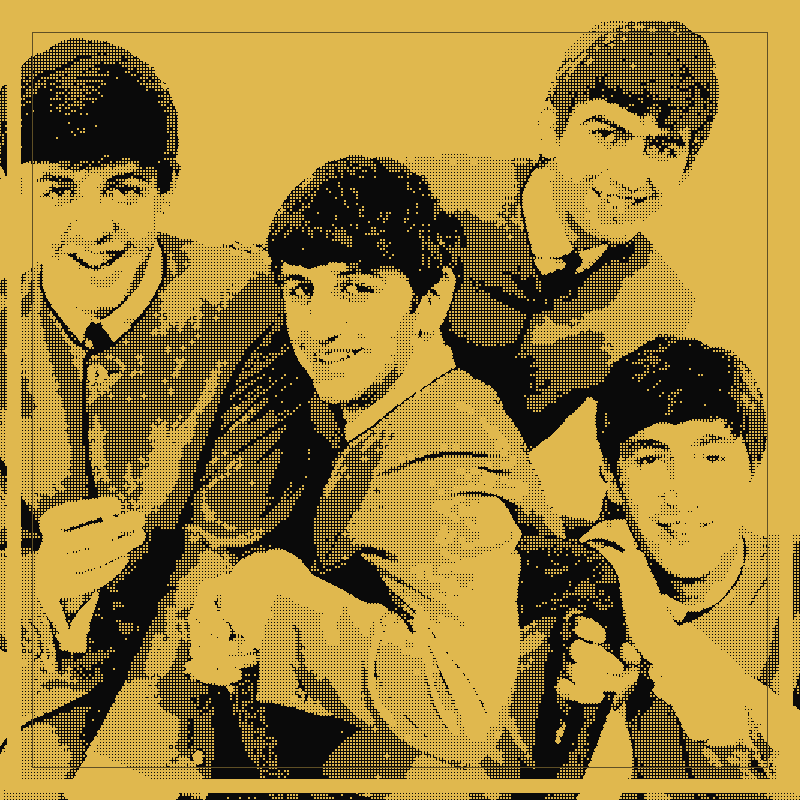
What the numbers say: Nine 100s. The only card in the system that looks like this. Songwriting 100 — Lennon and McCartney is the greatest songwriting partnership in history. Studio Craft 100 — they invented modern recording. Catalog 100 — eight years, a body of work no band before or since has matched. Commercial 100 — 600 million records sold. Culture 100 — they didn't just soundtrack the 1960s, they caused it. Influence 100 — every guitar band since 1963 descends from this root.
Decade by decade: 1960s — Please Please Me to Abbey Road. Eight albums in seven years, each one different, each one better. Ed Sullivan 1964 — 73 million viewers. Broke up 1970 and never stopped being the most discussed band on earth. 2023 — Now and Then hit number one in the UK. Sixty years after their first record.
Eye test: There is no gun-to-your-head moment needed. The answer is always The Beatles.
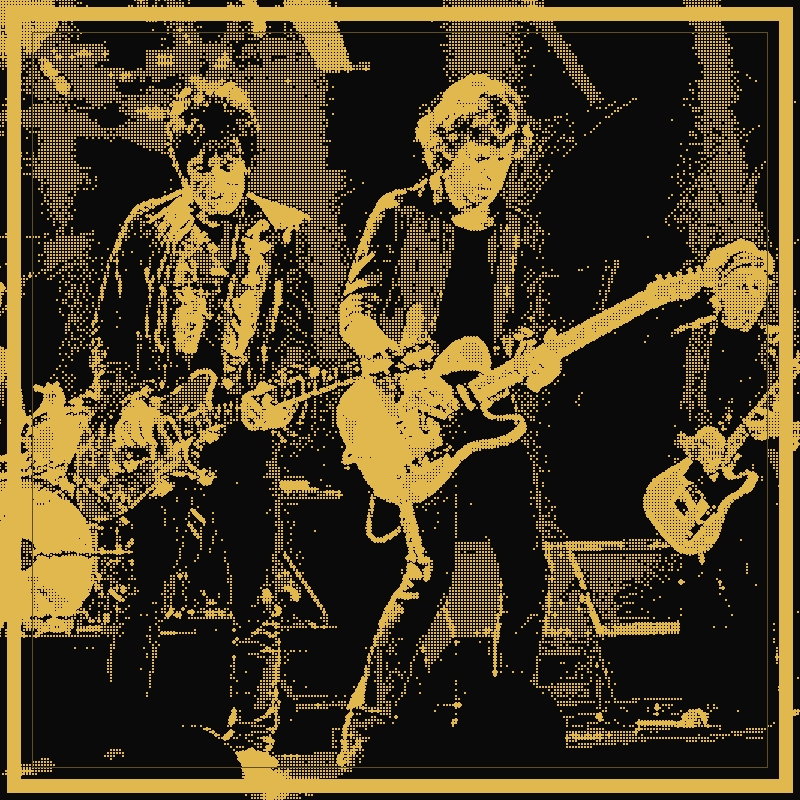
What the numbers say: Identity 100. Songwriting 99 — Satisfaction, Sympathy for the Devil, Gimme Shelter, Wild Horses, Start Me Up. Catalog 98 — 60 years of sustained quality. Commercial 97 — highest-grossing tours in history, 250 million records sold.
Eye test: One band walks on stage right now and makes 80,000 people lose their minds — the Rolling Stones. The last band standing from the generation that invented what a band is supposed to be.

What the numbers say: Six 100s. No category below 90. The LeBron-style career case. If you are building a civilization of songs, albums, and long-term musical infrastructure, McCartney is the cleanest overall pick.
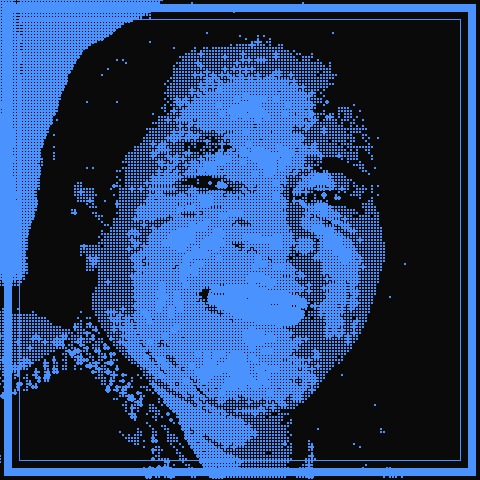
What the numbers say: Performance 100, Identity 100, Influence 100. Most sampled artist in history. Gun to your head — one performer makes a room full of strangers move in unison. James Brown. Nobody before. Nobody since.

What the numbers say: Songwriting 100 — Blue is the greatest confessional album ever recorded. Not one of the greatest. The greatest. Dylan said she's the best. Prince said she's the best. That's the conversation over. Influence 98 — Taylor Swift, Brandi Carlile, Tori Amos, k.d. lang, basically every female singer-songwriter of the last 50 years cites her as the foundation. Versatility 96 — folk to jazz to rock to orchestral pop. Court and Spark, Hejira, The Hissing of Summer Lawns — three different genres, all elite. Commercial 79 is the artistic ceiling — she never chased the chart and the chart never fully caught her.
Eye test: One songwriter makes a line so specific and so true that you feel it in your chest even though it's about someone else's life — Joni Mitchell. That is the whole trick and nobody does it better.
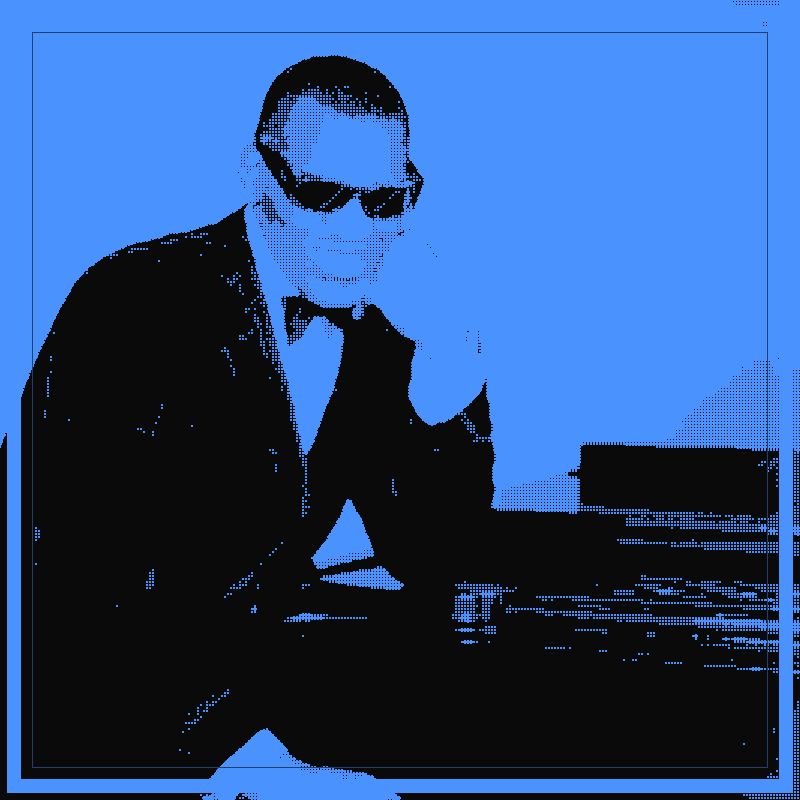
What the numbers say: Performance 100, Influence 100. Invented soul music 1954. Georgia on My Mind is a country standard, Hit the Road Jack is pure pop, I Got a Woman is the birth of soul. Three genres. All Ray Charles.
What the numbers say: Five 100s. Performance 100 — the greatest jazz instrumentalist who ever lived. Two notes and you know who it is. Studio Craft 100 — Kind of Blue recorded in two sessions with no rehearsal, no charts, no second takes. Best-selling jazz album in history. Still selling. Influence 100 — invented cool jazz, invented modal jazz, invented fusion. The list of genres he created is longer than most artists' entire careers. Versatility 100 — Birth of the Cool and Bitches Brew exist on the same card. No other artist in history has that range and won both times. Commercial 72 is the jazz ceiling — real, honest, not a penalty.
Decade by decade: 1949 — Birth of the Cool. 1955 — hard bop. 1959 — Kind of Blue changes everything. 1970 — Bitches Brew invents fusion and loses half his audience on purpose. 1980s — electric period. Died 1991. Every decade a different Miles. Every version correct.
Eye test: One instrumentalist walks into any room in any era and is the most important musician there — Miles Davis. Not a debate.
What the numbers say: Performance 100, Culture 100. What's Going On changed what popular music was allowed to say. Shot and killed by his father on April 1, 1984, one day before his 45th birthday.
Eye test: One singer makes a song that carries the full weight of the world — the love and the politics and the grief and the beauty all at once — Marvin Gaye.

What the numbers say: Five 100s. One moment, one performance, one global cultural explosion — Michael Jackson is the gun-to-your-head pick.
What the numbers say: Performance 100. The technical gap between him and the next best rapper is larger than the gap between that rapper and everyone below them. 220 million records sold. First rap song to win the Academy Award.

What the numbers say: Studio Craft 100 — nobody has ever used a recording studio the way Pink Floyd used a recording studio. Dark Side of the Moon is not an album. It is a designed experience built to be heard in the dark with headphones. Identity 100 — prisms, walls, pigs, the circular logo. You see two seconds of artwork and you know. Catalog 96 — Dark Side, Wish You Were Here, Animals, The Wall. Four consecutive all-time albums. Versatility 74 is honest — they do one thing. That thing happens to be the most fully realized version of that thing that has ever existed.
Eye test: One band makes an album that 14-year-olds discover alone in their bedroom and feel like it was made specifically for them — Pink Floyd. Every generation. Still happening right now.

What the numbers say: One 100, zero reds. Four consecutive Album of the Year Grammys — nobody before or since. The shape of this card is a wall. Solid from top to bottom.

What the numbers say: Studio Craft 100, Identity 100, Versatility 100. The pure Ohtani case. One person has to write it, play it, produce it, perform it, and make it feel like its own universe — Prince.

What the numbers say: The female Sinatra-Elvis hybrid. Co-owned the 1980s with MJ. Best-selling female recording artist in history. She didn't ask for the room. She took it. And redecorated it four more times.
What the numbers say: Three 100s. Five albums. Died at 25. 75 million records sold and growing. The greatest rapper of all time argument still running 30 years after his death.

What the numbers say: Identity 100, Performance 98, Versatility 92. Nina Simone was a genius beyond category — pianist, singer, songwriter, and civil-rights icon. Feeling Good, Mississippi Goddam, and I Put a Spell on You span jazz, soul, and protest. One of the most powerful artists who ever lived.

What the numbers say: Songwriting 100, Identity 100, Culture 100, Influence 100. John Lennon co-wrote the Beatles catalog and then made Imagine, Plastic Ono Band, and a body of solo work that turned him into a global symbol of peace. His murder in 1980 sealed him as a martyr and a myth.
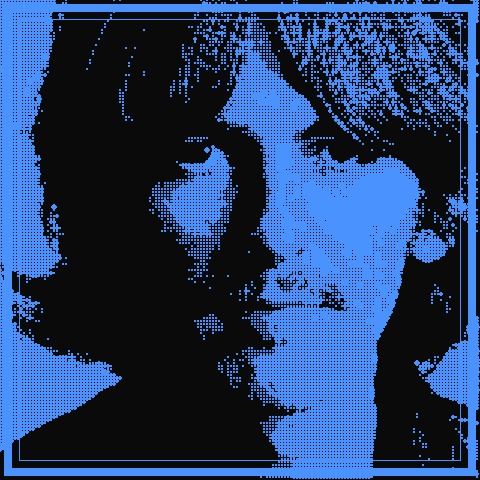
What the numbers say: Songwriting 96, Identity 96, Catalog 92. George Harrison emerged from the Beatles' shadow with All Things Must Pass — widely called the best solo Beatle album. He wrote Something and Here Comes the Sun, pioneered the benefit concert, and brought Indian music and spirituality into rock.
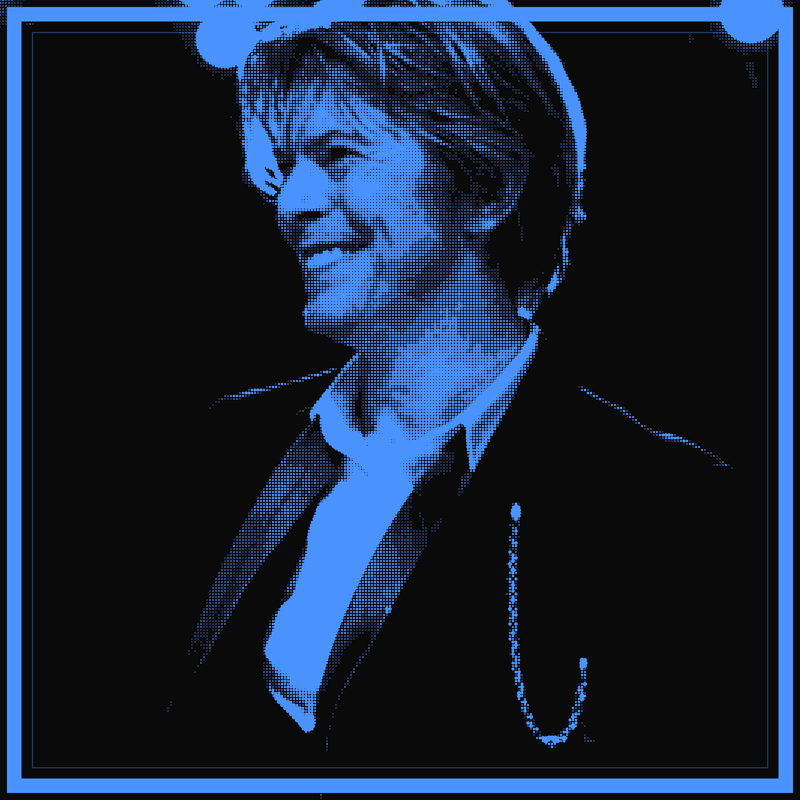
What the numbers say: Identity 100, Versatility 100 — only card on this list with both. 27 studio albums. Blackstar released two days before his death — a farewell recorded in secret while terminally ill. One of the most extraordinary final statements any artist has ever made.
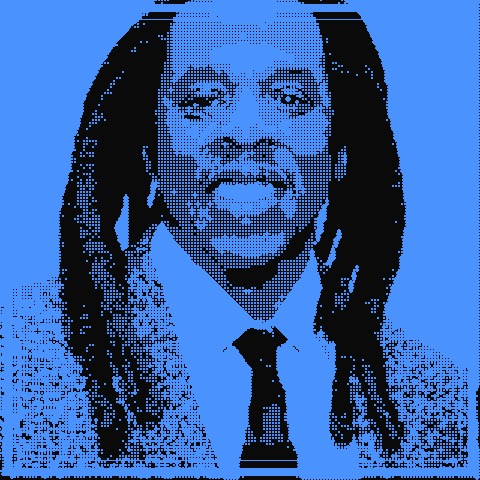
What the numbers say: No 100s, no reds. 14 consecutive number one albums. First hip hop billionaire. The LeBron of rap — extreme floor, sustained excellence, never a bad album. Gun to your head — one rapper walks into any room, any era, any crowd, and is the best rapper there — Jay-Z.
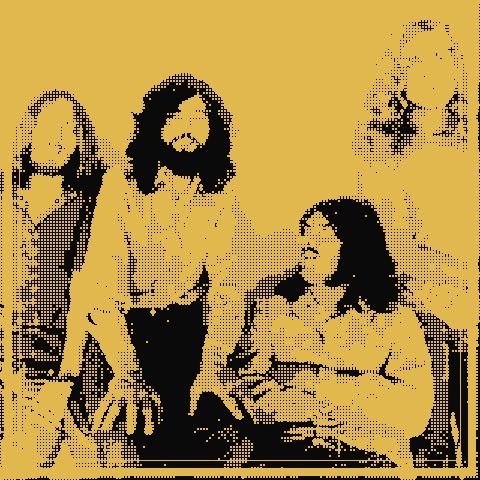
What the numbers say: Songwriting is 83 — if you don't care that they stole half of it from old blues musicians who never got credited or paid, it's 97. Performance 100 and Influence 100 are undisputed. John Bonham died 1980 — they dissolved immediately. Kashmir. When the Levee Breaks. Those are not songs. Those are events.
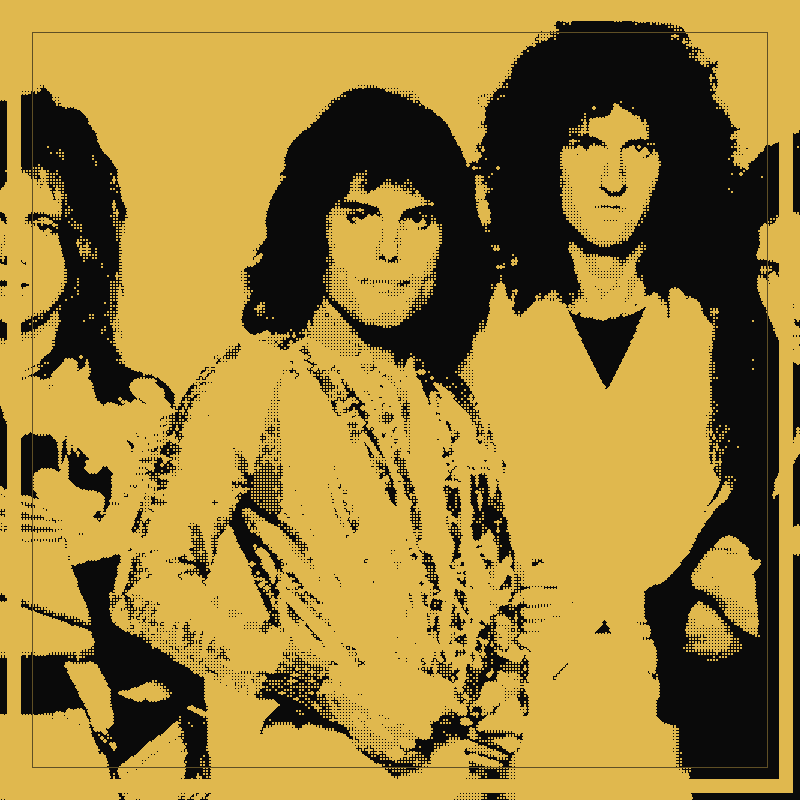
What the numbers say: Performance 100 — Live Aid July 13 1985. Twenty minutes. No rehearsal with the band for months. Freddie Mercury walked out and owned 72,000 people inside thirty seconds and the other artists watching from the side of the stage said they might as well go home. Identity 100 — the crest, the mustache, the leotard, the voice. Bohemian Rhapsody has been in the UK charts in six different decades. Versatility 98 — Bohemian Rhapsody, We Will Rock You, Somebody to Love, Under Pressure, Don't Stop Me Now. Five completely different songs. All Queen. All undeniable.
Eye test: One performer makes an entire stadium sing back every word without being asked — Freddie Mercury. The greatest front man who ever lived.
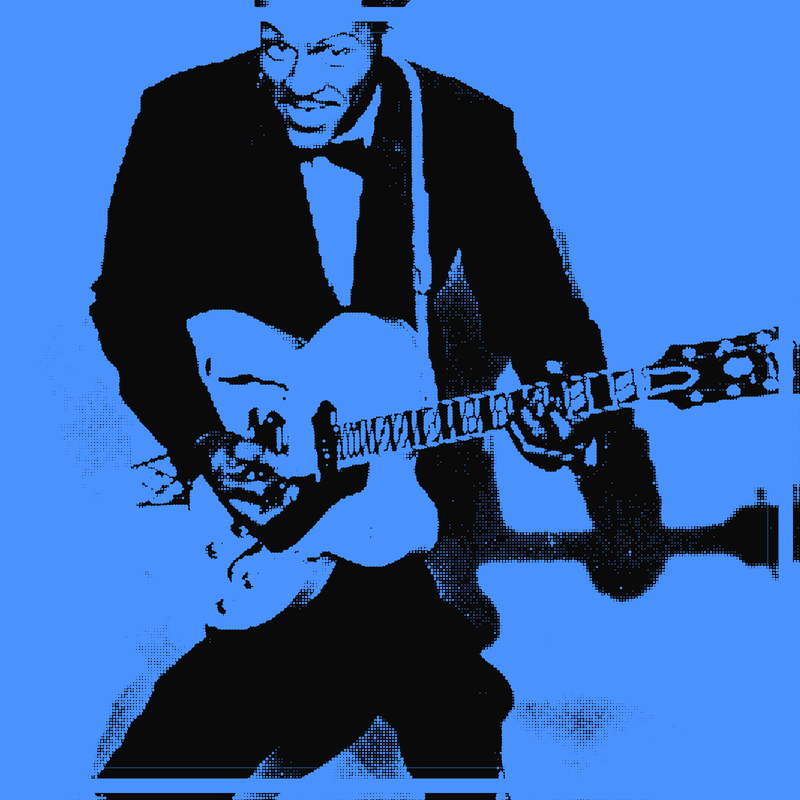
What the numbers say: Culture 100, Influence 100. Johnny B. Goode was put on the Voyager Golden Record in 1977. When aliens find it, Chuck Berry is what they hear first.
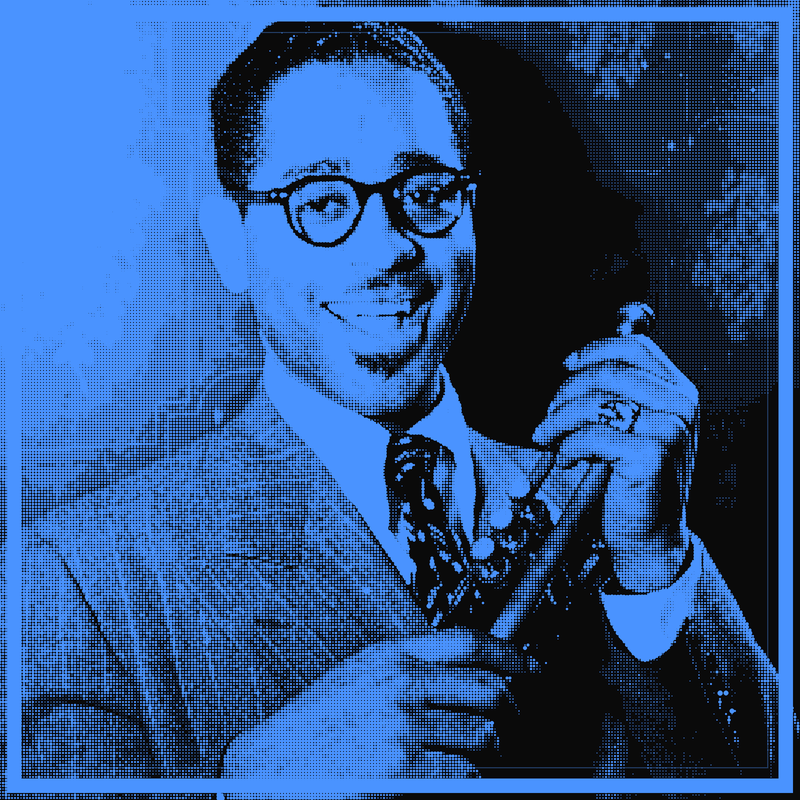
What the numbers say: Influence 96, Performance 98, Versatility 92. Dizzy Gillespie co-founded bebop alongside Charlie Parker and pioneered Afro-Cuban jazz. A Night in Tunisia and Manteca are standards. A virtuoso trumpeter and natural showman, he was also a tireless ambassador for jazz worldwide for over fifty years.
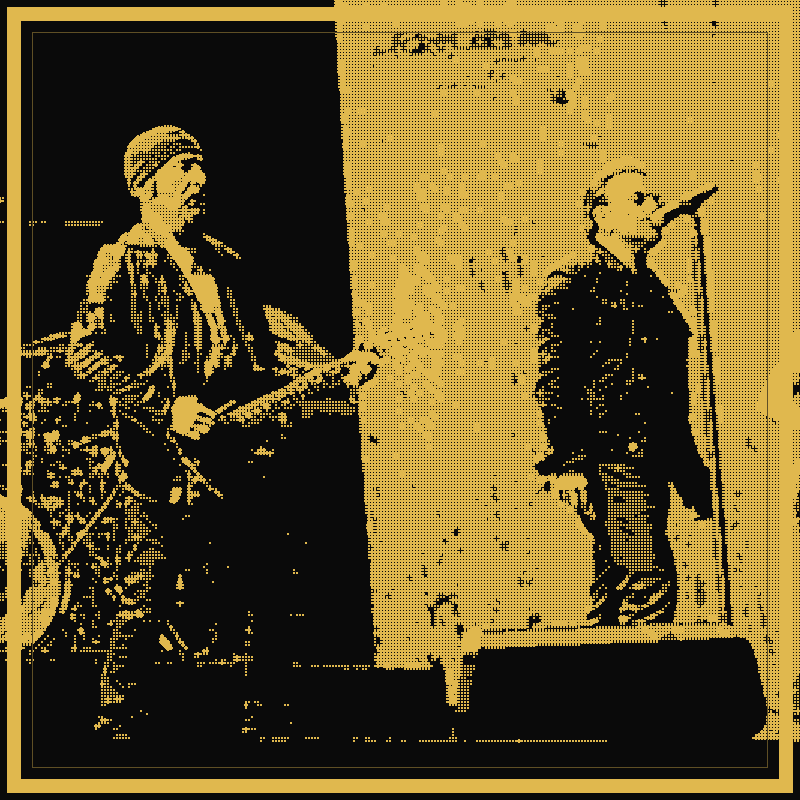
What the numbers say: No 100s, no reds. The shape of this card is clean across the board. The Joshua Tree — 1987 — 25 million copies sold, Album of the Year Grammy, With or Without You and Where the Streets Have No Name in the same eleven tracks. Achtung Baby reinvented them a second time in 1991. The Zoo TV tour was the largest production in concert history at the time. They have grossed more touring revenue than any band in history. The most consistently successful rock band of the last forty years. That is a real title and it belongs to them.
Eye test: One is one of five songs that every human being on earth knows regardless of age, country, or taste. That is not nothing.

What the numbers say: Identity 100 — the glasses, the feather boa, the platform boots, the outfits. Nobody dressed like that and commanded a stadium at the same time. 300 million records sold. Tiny Dancer, Rocket Man, Crocodile Rock, Saturday Night's Alright, Bennie and the Jets, Don't Let the Sun Go Down on Me, Your Song. Seven songs, seven different emotional universes, all released between 1970 and 1974. That four-year run is one of the greatest in rock history. The Lion King. Candle in the Wind for Princess Diana — the best-selling physical single in history. He has never stopped working and the work has never stopped being good.
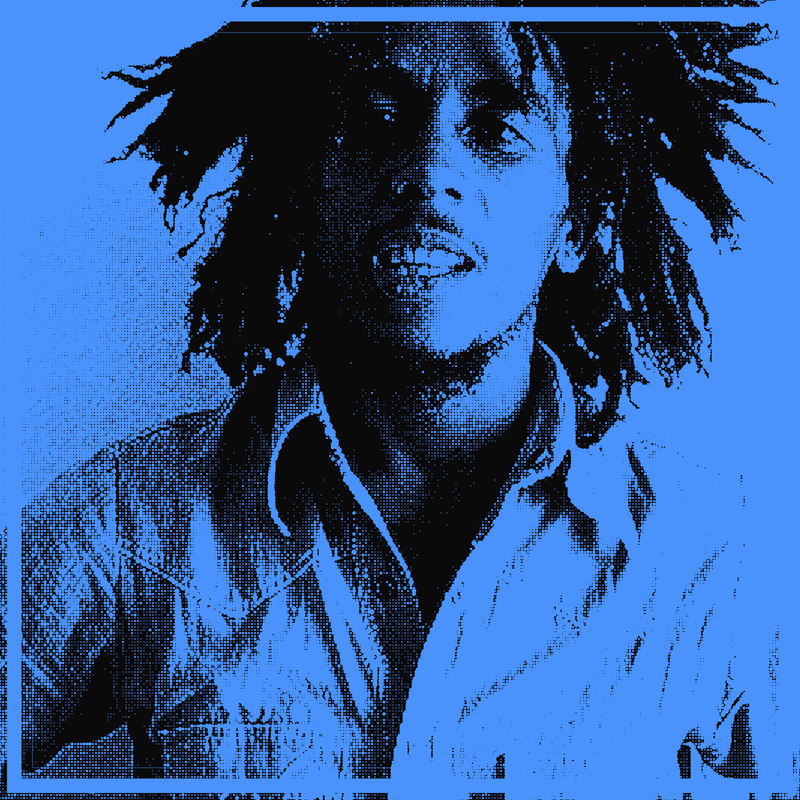
What the numbers say: Four 100s. Identity 100 — the dreadlocks, the flag, the face. Most recognizable musician on earth in countries that have never heard of Elvis. Culture 100 — reggae did not exist outside Jamaica before Bob Marley. He personally carried it to every continent. Influence 100 — every reggae artist, every world music crossover, every political singer who picked up a guitar owes this man. Songwriting 98 — Redemption Song, No Woman No Cry, Get Up Stand Up, Three Little Birds. That's a hall of fame catalog in four songs and he has forty more. Died 1981 at 36. The music has never stopped selling.
Eye test: One artist makes music that feels like it belongs to every human being on earth regardless of where they were born — Bob Marley. That is not a small thing. That is almost impossible.

What the numbers say: Performance 100. Zero reds. Coachella 2018 — greatest festival headlining performance ever filmed. The difference between her and everyone else performing right now is the same as MJ vs everyone else in 1984.
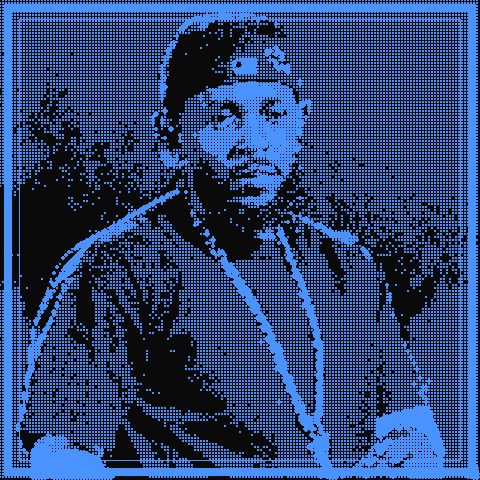
What the numbers say: Songwriting 100. TPAB is a complete artistic statement — jazz, funk, spoken word, political commentary, personal confession — that won a Pulitzer Prize. The first rap album ever. Gun to your head — one rapper writes a verse that will be studied in 50 years — Kendrick Lamar. The Pulitzer committee already agreed.
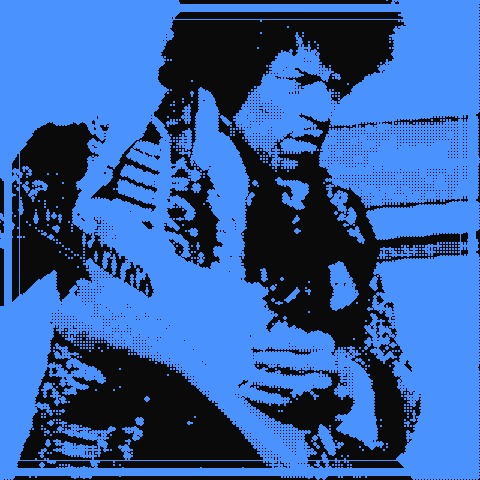
What the numbers say: Performance 100, Identity 100, Influence 100. Died at 27. Catalog 72 is honest — the tragedy is built into the card. The note he played was a door. Everything after walked through it.
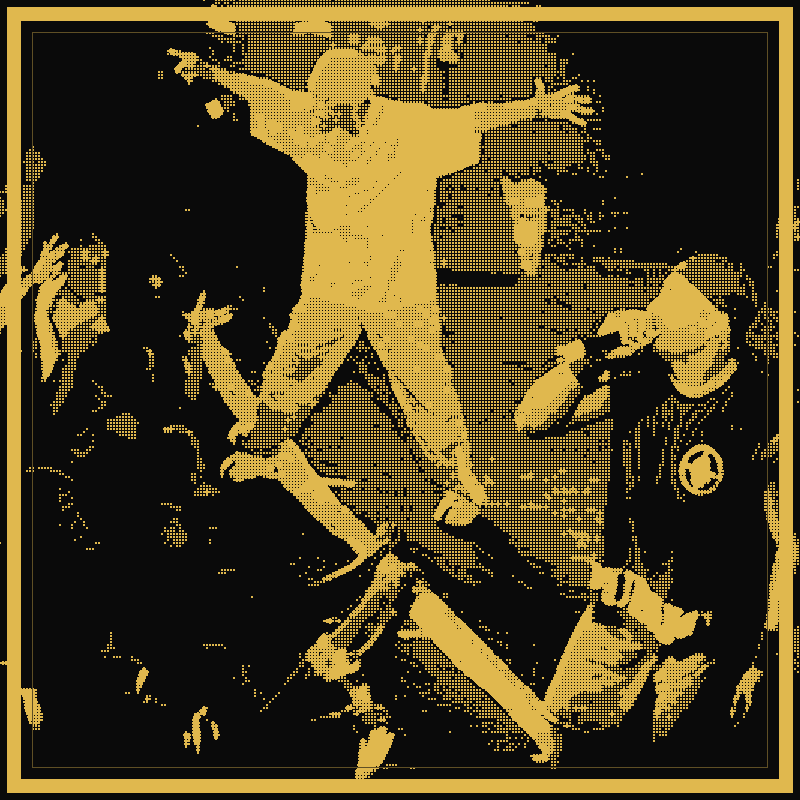
What the numbers say: Culture 100, Influence 100, Identity 100. It Takes a Nation of Millions to Hold Us Back is the greatest political rap album ever recorded. The Bomb Squad's production — layered samples, sirens, noise, chaos made musical — invented a production style that producers are still studying. Chuck D's voice is one of the most commanding in hip hop history. Flavor Flav is the greatest hype man in music history. Fight the Power is the most important protest song in hip hop. Commercial 72 is honest — they were never trying to sell to everyone. They were trying to wake up everyone. Different goal. Mission accomplished.
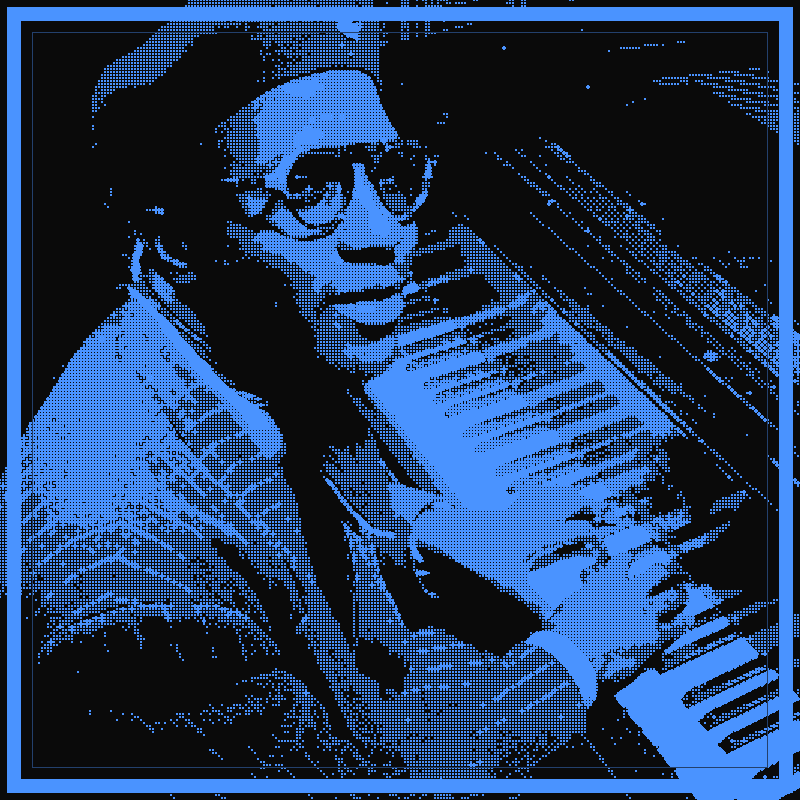
What the numbers say: Songwriting 98, Identity 100, Influence 96. Thelonious Monk was the most original composer-pianist in jazz — his angular, dissonant, deeply personal style sounded like no one else. Round Midnight is the most-recorded jazz standard. Misunderstood in his time, he's now recognized as one of the genre's essential architects.
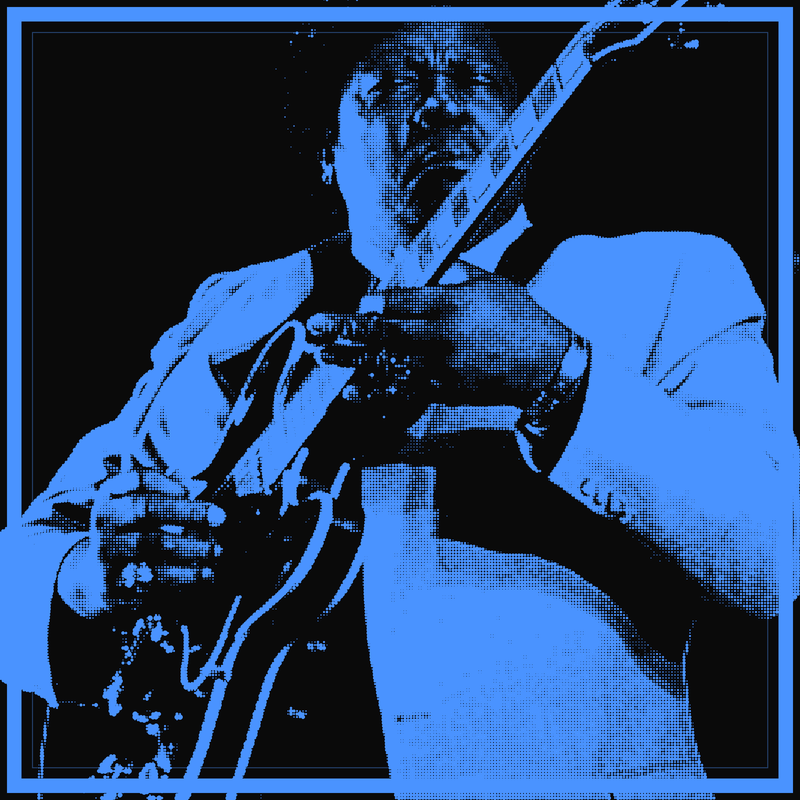
What the numbers say: Identity 100, Influence 100, Performance 96. B.B. King was the King of the Blues — his expressive, economical guitar phrasing on Lucille influenced virtually every blues and rock guitarist alive. The Thrill Is Gone is a classic. Over a 60-year career he became the genre's global ambassador. Clapton, Hendrix, and everyone in between studied him.
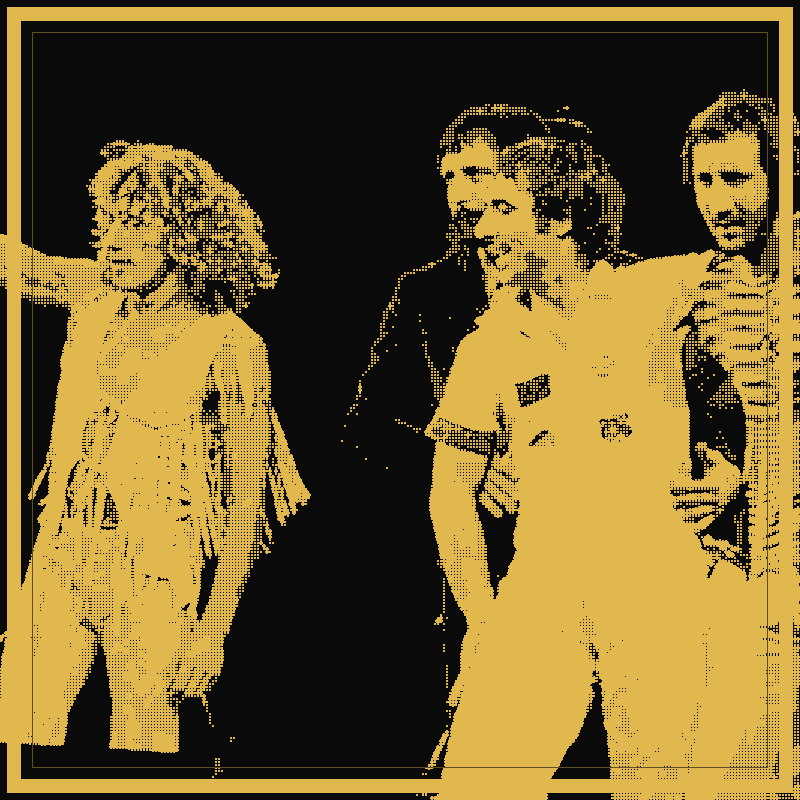
What the numbers say: Performance 99 — the most physically violent live band in history. Smashed guitars, exploding drum kits, amplifiers turned past the point of sense. Identity 100 — the target logo, the mod suits, the destruction. Influence 97 — invented the rock opera with Tommy, invented the concept album before anyone called it that, invented punk's attitude before punk existed. My Generation — 1965. Roger Daltrey stuttering "I hope I die before I get old" is the opening statement of youth rebellion in rock music. They meant it.
Eye test: Baba O'Riley. Won't Get Fooled Again. Pinball Wizard. Those aren't songs. Those are buildings.

What the numbers say: Songwriting 98, Identity 100, Catalog 96. Dolly Parton is one of the greatest songwriters in American history — she wrote Jolene and I Will Always Love You in a single day. Beyond the catalog, she's a cultural icon, philanthropist, and businesswoman beloved across every political and generational divide. Untouchable.
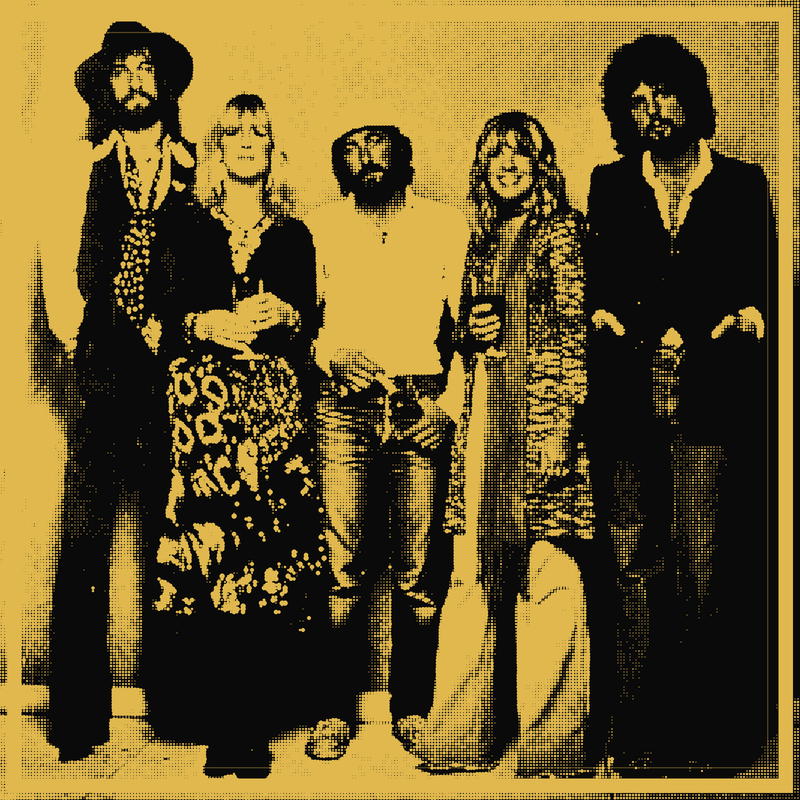
What the numbers say: Songwriting 96, Peaks 97. Rumours — 1977 — is one of the five best-selling albums in history. Go Your Own Way, The Chain, Dreams, Gold Dust Woman, Don't Stop — five stone cold classics on one record made by five people who couldn't stand each other. Dreams is the only Fleetwood Mac song to hit number one and it did it twice — 1977 and then again in 2020 when a man went viral skateboarding to it on TikTok. Forty-three years between chart peaks on the same song. That is a Culture 94 and a Catalog 90 built on one extraordinary album and a career worth of quality underneath it.
Eye test: The Chain. That bass line coming in. Every person alive knows what happens next.

What the numbers say: Commercial 100, Culture 100, Identity 100. The most commercially dominant artist of the streaming era by a margin that isn't close. Went from country to pop to indie folk to pop and won every time — that's the Versatility 88, not a red. The Eras Tour is the highest-grossing concert tour in history. She owns her masters after fighting the music industry in public and winning. Every younger female pop artist is navigating a landscape she redrew. The card doesn't have a weak number. That is the whole point.
Eye test: She is the only artist alive who shows up top five across every single age group from 10 to 40. That is a data point that has never existed before in the history of the card system. Nobody else is close.
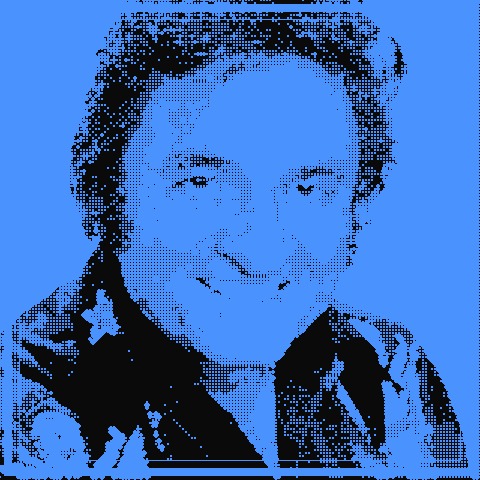
What the numbers say: Identity 100. Influence 97 — Bono, Springsteen, Dylan, the entire Americana movement all cite him. Hurt belongs to Cash now. Trent Reznor said so himself. Gun to your head — one artist stands with a guitar and makes the room feel a full human life — Johnny Cash. Not a performance. A confession.
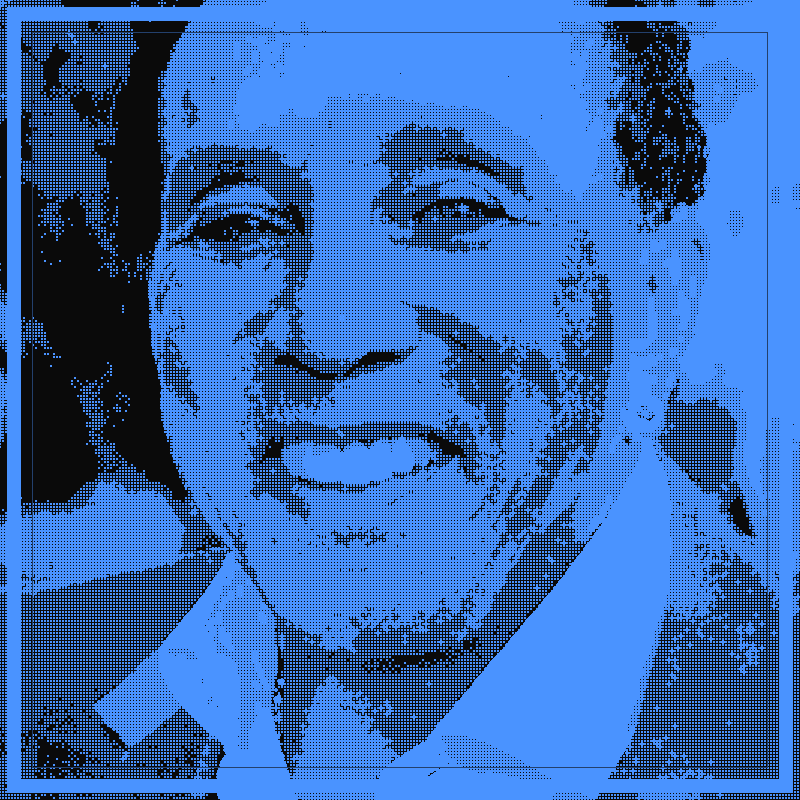
What the numbers say: Songwriting 97 — "The Tracks of My Tears," "My Girl" (for the Temptations), "My Guy," "Tears of a Clown." A pen that built Motown's house. Influence 95 — the standard for soul lyricism and melodic sophistication. Performance 92 — that pristine falsetto, untouched by sixty years.
Decade by decade: 1960s — leads The Miracles AND serves as Motown's vice president and chief songwriter, writing hits for half the label. 1970s — a solo run with "Cruisin'" and "Being with You." The rare artist who was an executive, a frontman, and the best writer in the building all at once.
Eye test: If you've heard a Motown song you love, there's a real chance Smokey wrote it. Quiet, total greatness.
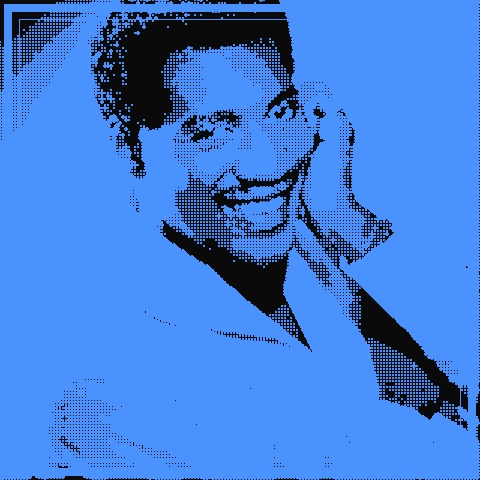
What the numbers say: Performance 100 — the most purely powerful soul voice ever recorded. Raw, physical, unstoppable. His Monterey Pop performance in 1967 is one of the greatest festival sets ever filmed — he converted an entire audience of white rock fans who had never heard of him in forty minutes. Influence 98 — Aretha Franklin, Al Green, Rod Stewart, Robert Plant all cite him directly. Catalog 72 is the tragedy built into the card — he died at 26 with six studio albums. Dock of the Bay was finished two days before his plane went down. The voice was the greatest of its generation and the generation barely got to hear it.

What the numbers say: Performance 100, Identity 100, Influence 100. Chuck Berry wrote the blueprint. Little Richard set it on fire.
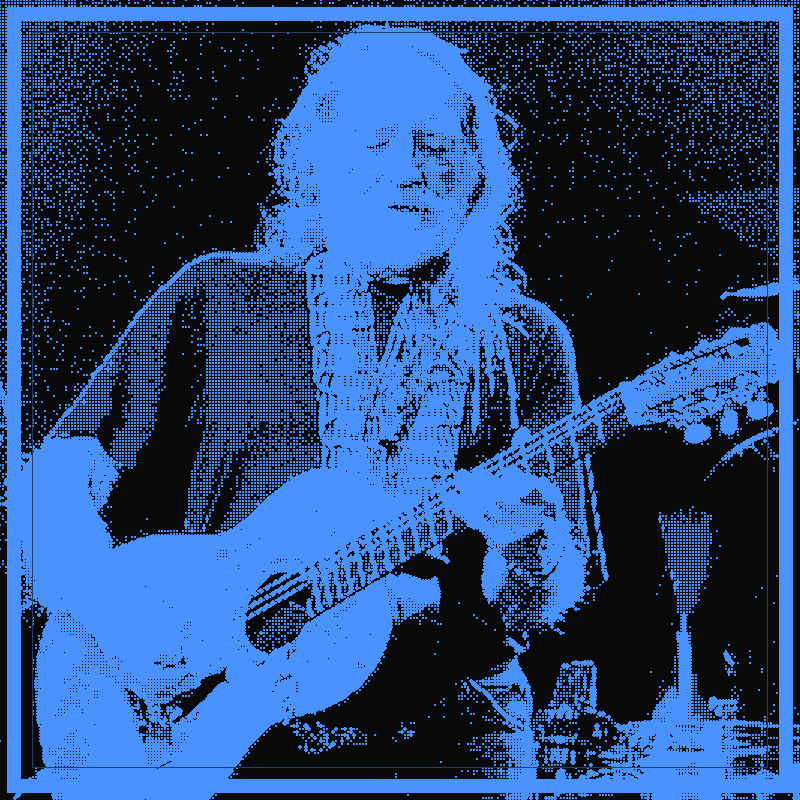
What the numbers say: Catalog 96, Songwriting 96, Identity 100. Willie Nelson is an American institution — songwriter, outlaw country pioneer, and interpreter of standards. He wrote Crazy for Patsy Cline, made Red Headed Stranger a concept-album landmark, and kept recording into his 90s. One of the most beloved and prolific artists in any genre.
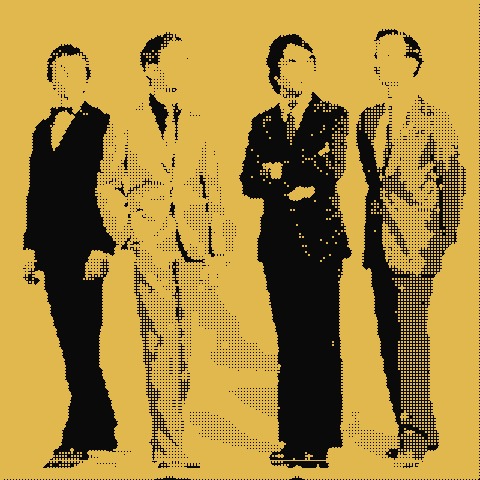
What the numbers say: Influence 100, Identity 100, Studio Craft 98. Kraftwerk invented electronic pop music — Trans-Europe Express and The Man-Machine are foundational to techno, synth-pop, hip hop, and EDM. Their robotic aesthetic and pioneering synthesis shaped the entire electronic age.
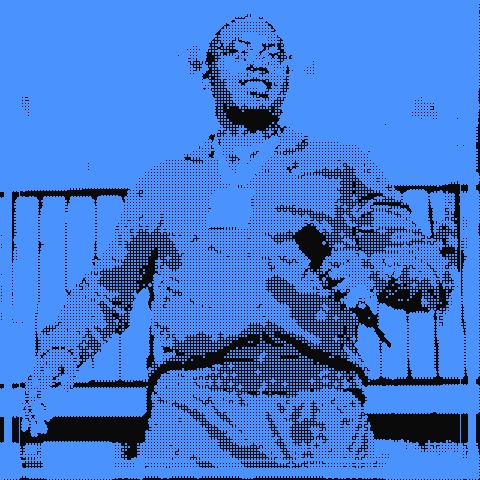
What the numbers say: Songwriting 100 — N.Y. State of Mind is the greatest opening track in rap history. The Life of a Bug, One Love, Memory Lane — ten tracks, zero filler, complete artistic vision, released at age nineteen. Peaks 98 — Illmatic alone is a 98-point peaks card. Everything after it is judged against that standard. He won the Jay-Z beef. Ether is considered the greatest diss track in hip hop history. Commercial 80 is honest — he was never a pop crossover artist. The greatest rapper alive argument runs through Illmatic every single time regardless of era.

What the numbers say: Songwriting 100, Catalog 94, Influence 96. Carole King had two historic careers — first as a Brill Building songwriter (Will You Love Me Tomorrow, The Loco-Motion, A Natural Woman) then as a singer-songwriter whose Tapestry became one of the best-selling, most beloved albums ever. The bridge from the songwriting factory to the confessional era.
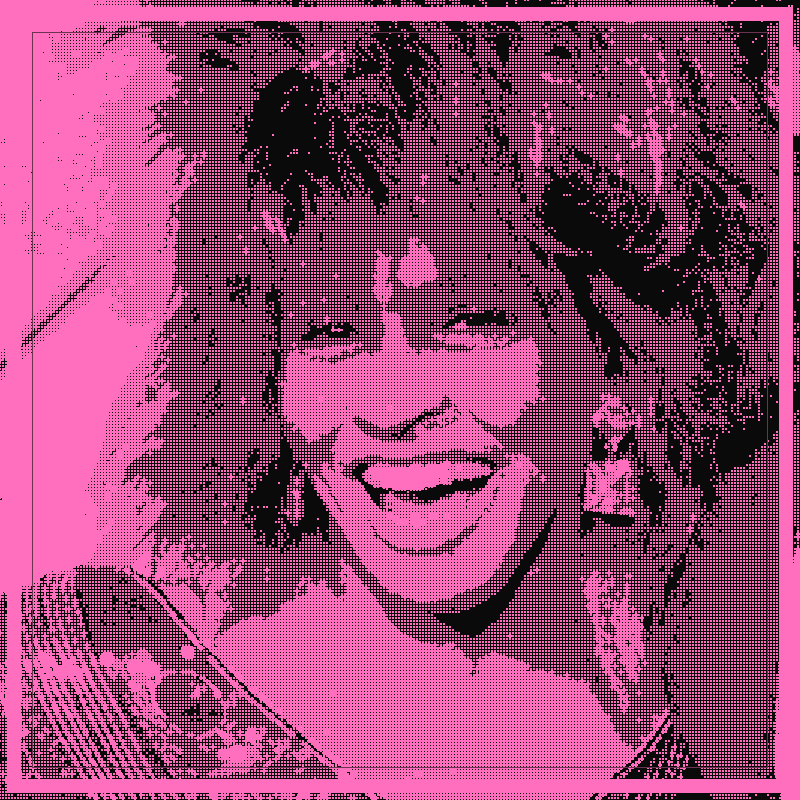
What the numbers say: Performance 100, Identity 100. Greatest female live performer in history. Private Dancer at 44 — greatest comeback in music history. Literally survived. Then went back and did it bigger.
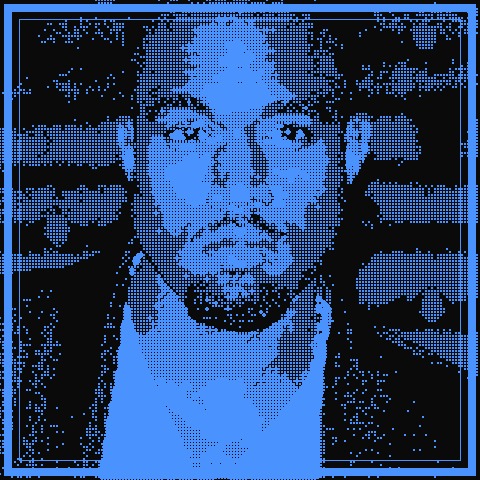
What the numbers say: Studio Craft 100, Influence 100. Changed what hip hop sounds like not once but four or five separate times. 808s invented the emotional rap sound an entire generation copied. Gun to your head — one producer-artist makes a beat that changes what hip hop sounds like — Kanye West. The music is real regardless of everything else. That is all the card says.
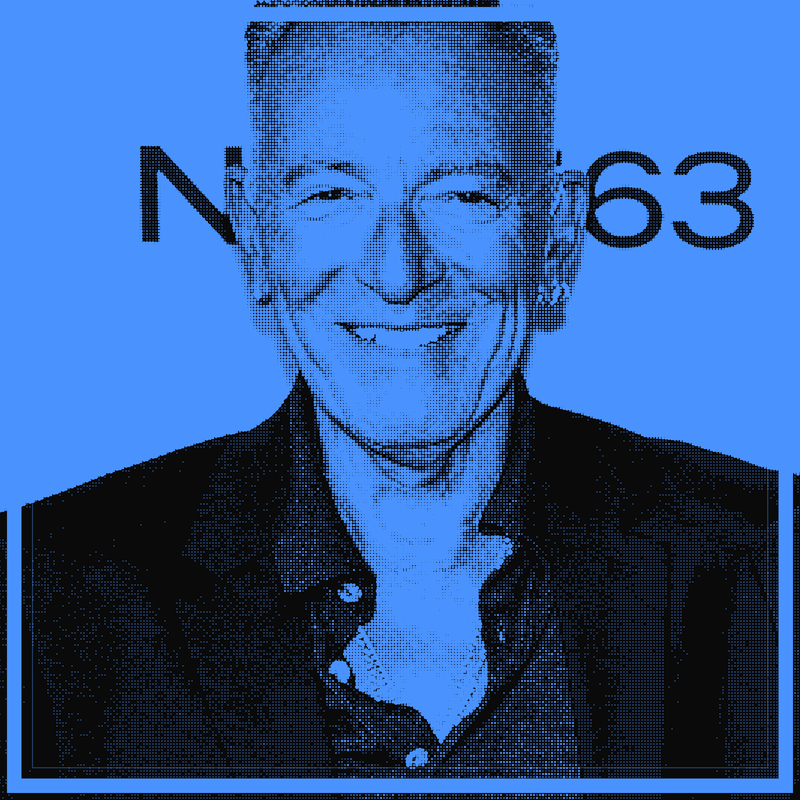
What the numbers say: Songwriting 99 — Thunder Road, Born to Run, The River, Nebraska, Born in the USA. Five albums, each one a complete world, each one about the same people trying to survive the same America. Identity 100 — The Boss, the bandana, the E Street Band, four-hour shows every night. He didn't play concerts. He held church. Performance 97 — the longest, hardest working live show in rock history. Three hours minimum. Every night. For fifty years. Influence 95 — every heartland rock artist, every working-class songwriter, Bono, Tom Morello, countless others all cite him as the standard.
Eye test: One songwriter makes you feel the specific weight of a specific American life so completely that you feel like you lived it — Bruce Springsteen. That's the whole trick. Nobody does it better.
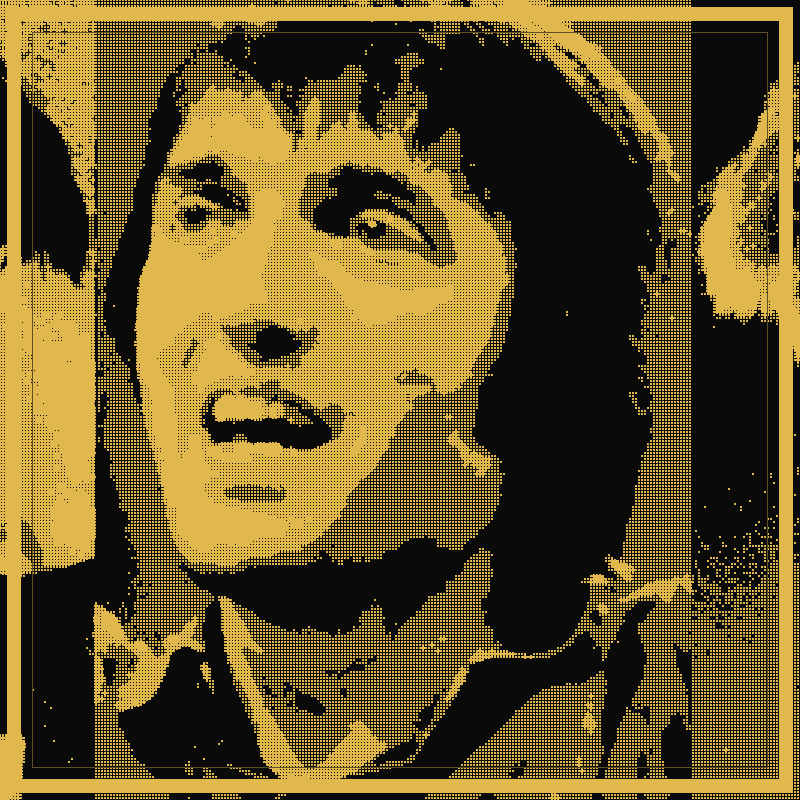
What the numbers say: Studio Craft 100 — the most sonically adventurous mainstream rock band in history. OK Computer, Kid A, Amnesiac, In Rainbows — four consecutive genre-defining albums across twelve years. Kid A abandoned guitar rock entirely in 2000 and won Album of the Year from critics who had no framework for what they were hearing. In Rainbows was released pay-what-you-want in 2007 — a business model that changed the industry conversation. Thom Yorke's voice is one of the most distinctive in rock. Influence 97 — every alternative rock band of the 2000s and 2010s is processing what Radiohead did to the genre. Commercial 74 is honest — they were never trying to be commercial and it showed.
What the numbers say: Songwriting 98 — The Needle and the Damage Done, Heart of Gold, Old Man, Rockin' in the Free World, Hey Hey My My, Harvest Moon, After the Gold Rush. That is one of the great American songwriting catalogs. Influence 97 — Nirvana, Pearl Jam, Crazy Horse devotees everywhere. He pulled his music from Spotify in protest over COVID misinformation and lost the argument commercially and didn't care. He pulled it from iTunes over audio quality and didn't care about that either. He has always cared more about the music than the business and the music has always been better for it.
What the numbers say: Identity 100, Influence 98, Performance 96. Howlin' Wolf had one of the most commanding voices in music — a primal growl that defined Chicago blues. Smokestack Lightnin', Spoonful, and Killing Floor were covered and worshipped by the British invasion bands. Along with Muddy Waters, he's the foundation of electric blues and rock.

What the numbers say: Performance 98, Versatility 92, Identity 96. Etta James had one of the great voices of the 20th century — equally at home in blues, soul, gospel, jazz, and rock. At Last is immortal. She influenced Janis Joplin, Beyoncé, and Adele. A complete, fearless vocalist whose range no one has fully matched.
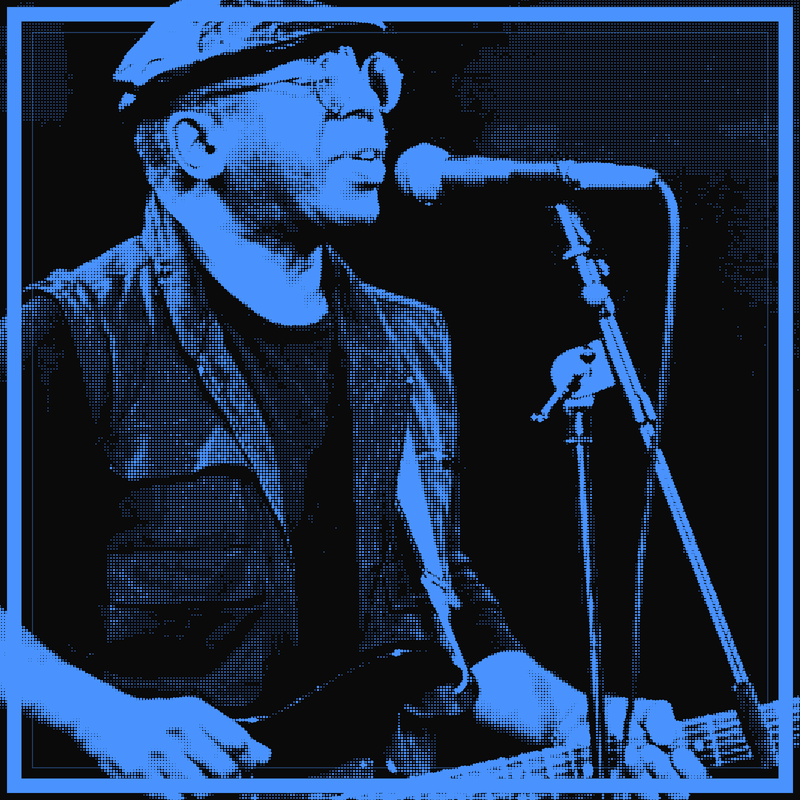
What the numbers say: Songwriting 98, Influence 96, Identity 98. Curtis Mayfield was soul's social conscience — from the Impressions' People Get Ready to the Superfly soundtrack, he fused political awareness with gorgeous, sophisticated music. His falsetto and socially-conscious songwriting influenced everyone from Marvin Gaye to hip hop. A quiet giant.
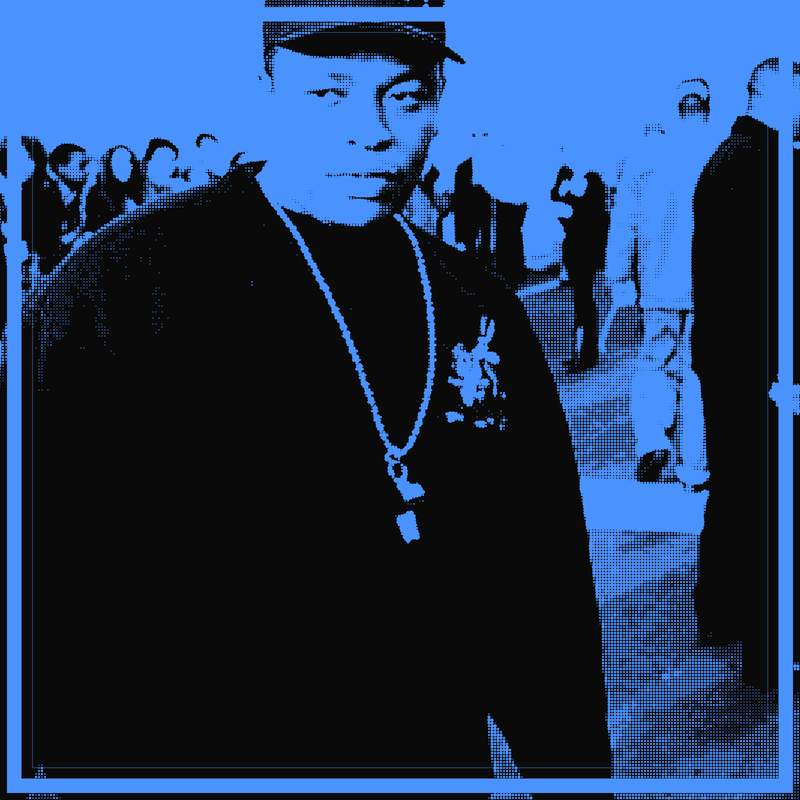
What the numbers say: Studio Craft 100 — the greatest hip hop producer in history. The G-funk sound he invented on The Chronic defined West Coast rap for a decade and influenced every producer who came after. Culture 100 — N.W.A, Snoop Dogg, Eminem, Kendrick Lamar. He discovered or developed four of the greatest rappers who ever lived. That is a 100-point culture card by itself. Influence 100 — if you can hear bass-heavy West Coast production anywhere in any genre in the last thirty years, that's Dre's fingerprints. Performance 78 is honest — he's not the rapper on the card. He's the man behind the board.
Eye test: The Chronic. 2001. Compton. Three albums. The architecture of American rap changed on each one.
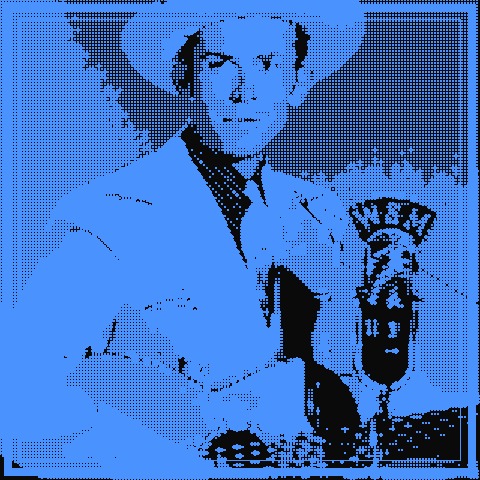
What the numbers say: Songwriting 100, Identity 100, Influence 100. I'm So Lonesome I Could Cry. Your Cheatin' Heart. Hey Good Lookin'. Lovesick Blues. Cold Cold Heart. He wrote every one of them. He was recording at Sun Studios before Elvis. He was the original country music archetype — the tragic, hard-drinking, hard-living Southern man singing about pain with a sincerity that could not be faked because it wasn't fake. Every country artist since 1953 has answered the question of what to do about Hank Williams. The answer is always the same: you can't beat him at this. So you find your own version of it.
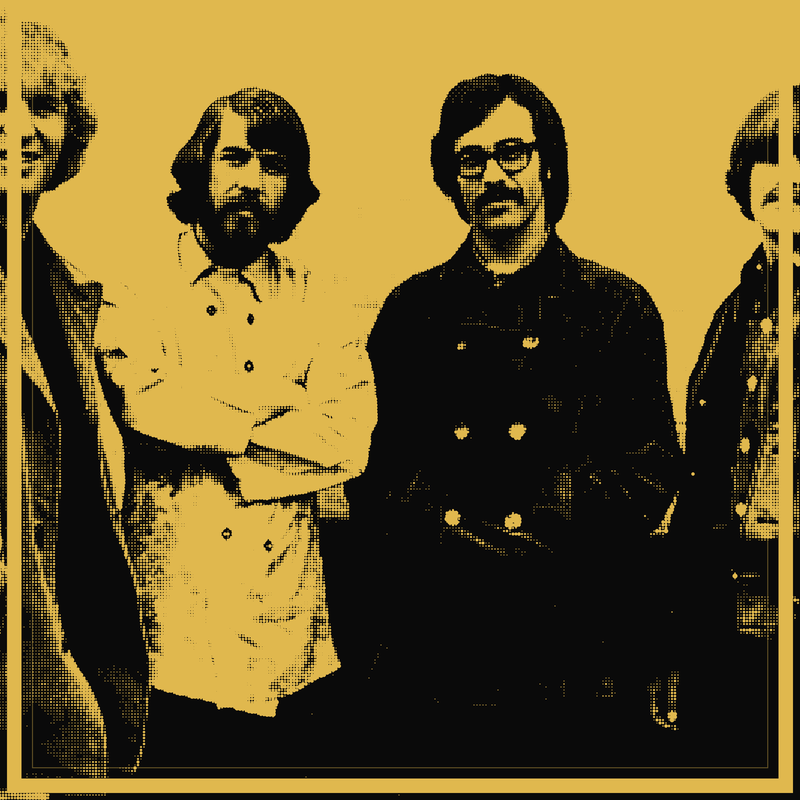
What the numbers say: Songwriting 94, Peaks 94, Commercial 92. Creedence Clearwater Revival packed an astonishing run of perfect singles into a brief career — Fortunate Son, Proud Mary, Born on the Bayou, Have You Ever Seen the Rain. John Fogerty's swamp-rock vision was lean, political, and impossibly catchy. One of the great American singles bands.
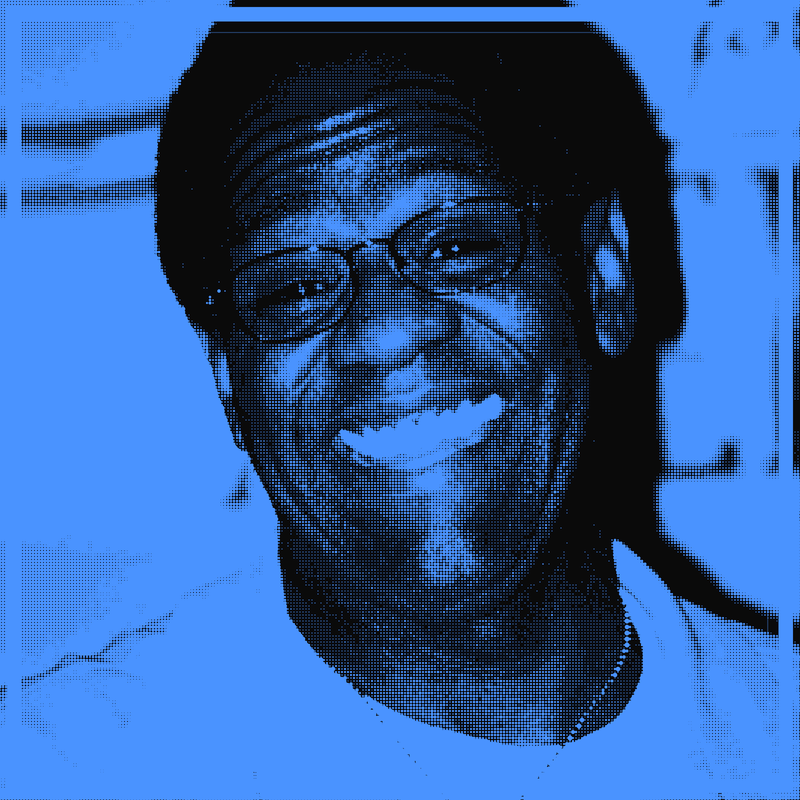
What the numbers say: Performance 98, Identity 98, Peaks 94. Al Green made some of the most sensual, perfectly produced soul records ever — Let's Stay Together, Tired of Being Alone, Love and Happiness. His voice, paired with Willie Mitchell's Hi Records production, defined 70s soul before he turned to gospel and the ministry. Irreplaceable.
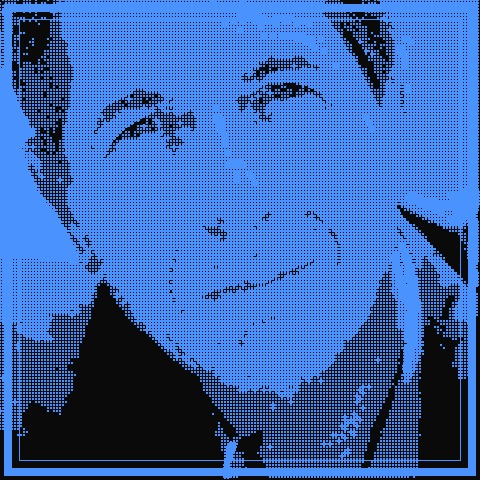
What the numbers say: Songwriting 100, Identity 98, Influence 96. Leonard Cohen was the poet laureate of popular song — Suzanne, Hallelujah, Bird on the Wire, So Long Marianne. His literary depth and unmistakable voice deepened over a fifty-year career, culminating in some of his finest work in his eighties. One of the most revered songwriters who ever lived.
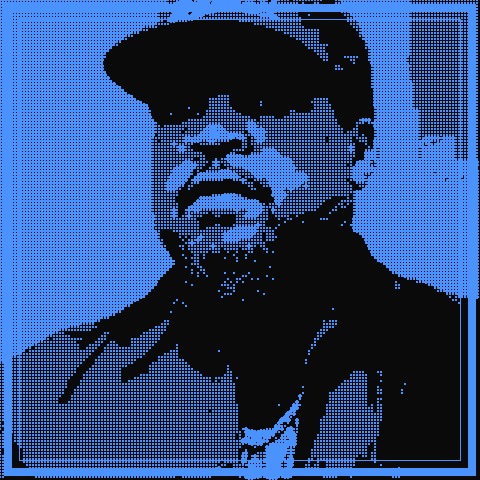
What the numbers say: Three 100s — Songwriting, Culture, Influence. The most dangerous pen in hip hop history. The Predator debuted number one on both Billboard pop and R&B charts simultaneously — first album ever to do that.
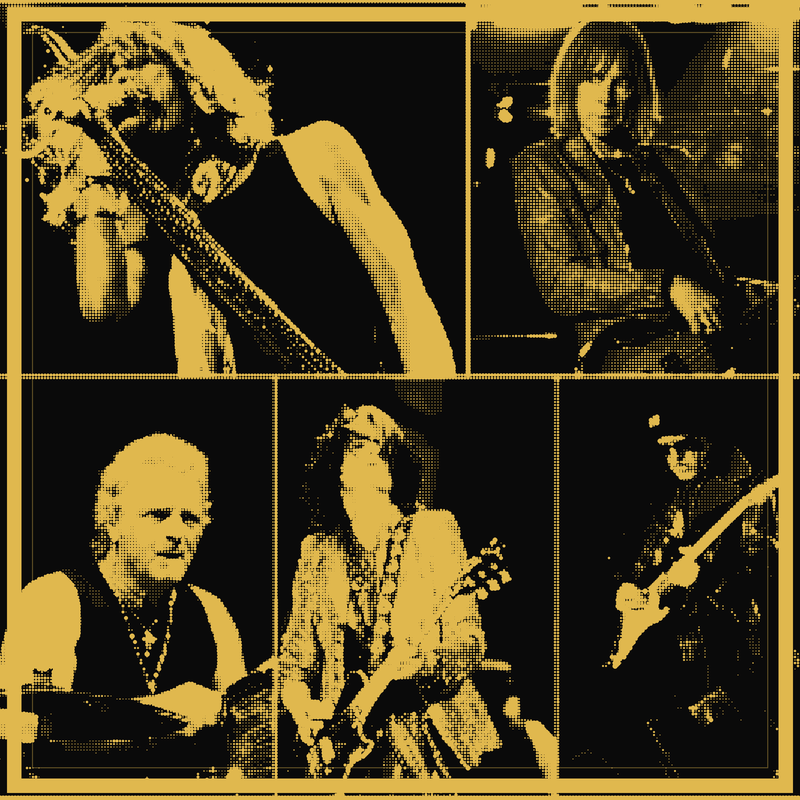
What the numbers say: No 100s, no reds. Walk This Way with Run-DMC cracked the wall between rock and hip hop. Sweet Emotion is an all-time top rock song. The greatest American rock band. That is a real title and it belongs to them.
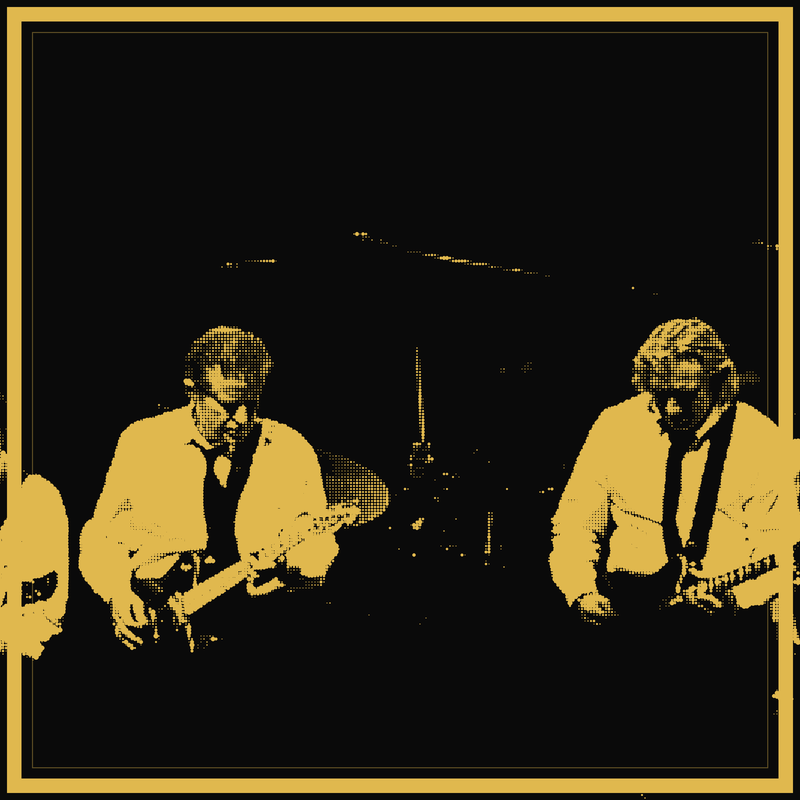
What the numbers say: Commercial 97 — Greatest Hits 1971–1975 has sold 38 million copies in the US alone, making it the best-selling album in American history. Hotel California the album sold 26 million. Hotel California the song ends with a guitar solo that has been teaching teenagers to play guitar for fifty years. Songwriting 96 — Take It Easy, Desperado, One of These Nights, New Kid in Town, Life in the Fast Lane, The Long Run. That catalog is bulletproof. They broke up in 1980 because they couldn't stand each other and got back together in 1994 for the money and it didn't matter. The songs were the same.
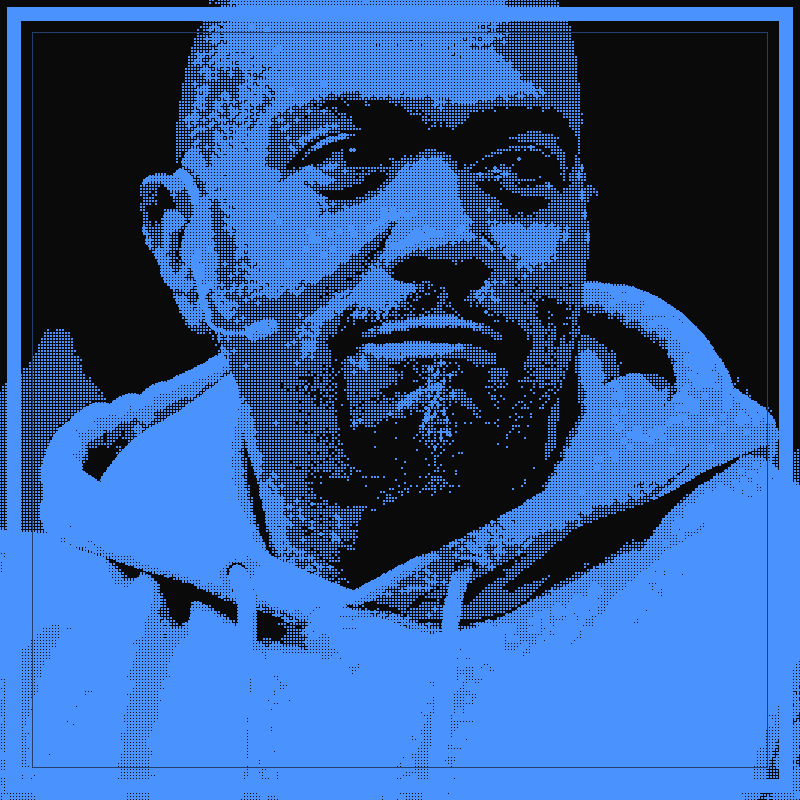
What the numbers say: Studio Craft 99 / Influence 96 — the stuttering, off-kilter, globally-sourced beats he built for Aaliyah, Missy Elliott, and Justin Timberlake rewired mainstream pop and R&B. Peaks 94 — "Are You That Somebody," "Cry Me a River," "SexyBack," "Big Pimpin'." A decade of defining the sound.
Decade by decade: Late 90s — with Missy and Aaliyah he makes R&B sound like the future. 2000s — "Justified" and "FutureSex/LoveSounds" with Timberlake plus his own "Shock Value" make him the most important producer in pop. He didn't follow trends; he set the metronome everyone else followed.
Eye test: A producer card scoring like a superstar, because for a stretch he was bigger than most of them.
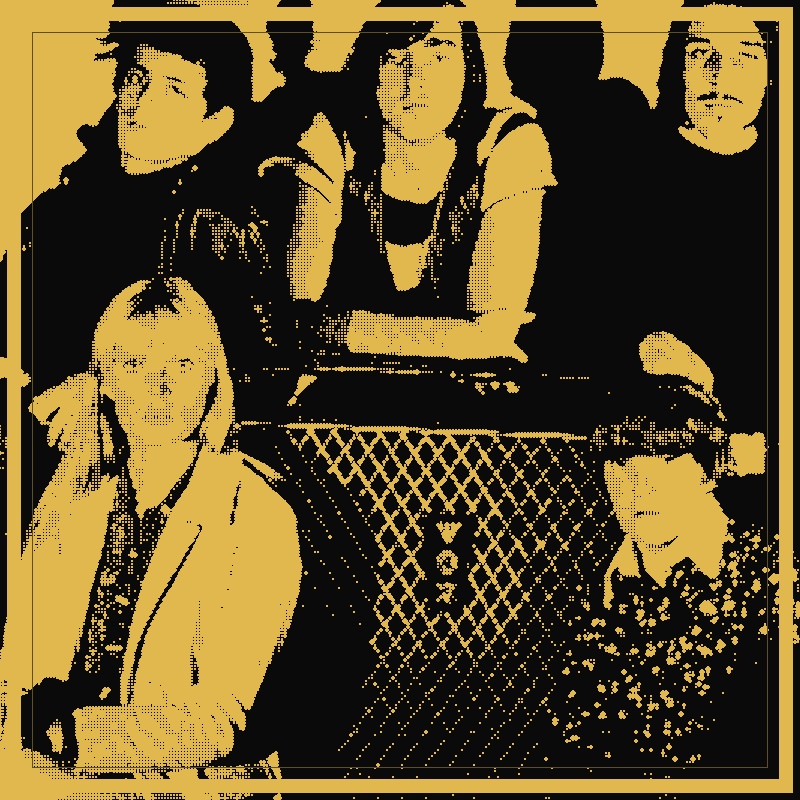
What the numbers say: Influence 100, Identity 100, Culture 98. The Velvet Underground & Nico sold almost nothing on release and then quietly reshaped the next fifty years of music. Lou Reed wrote about heroin, S&M, and street life when pop sang about holding hands. Commercial 62 is honest — they were never a hit machine. They were a blueprint. Punk, art rock, indie, noise, alternative — all of it traces back through this band.
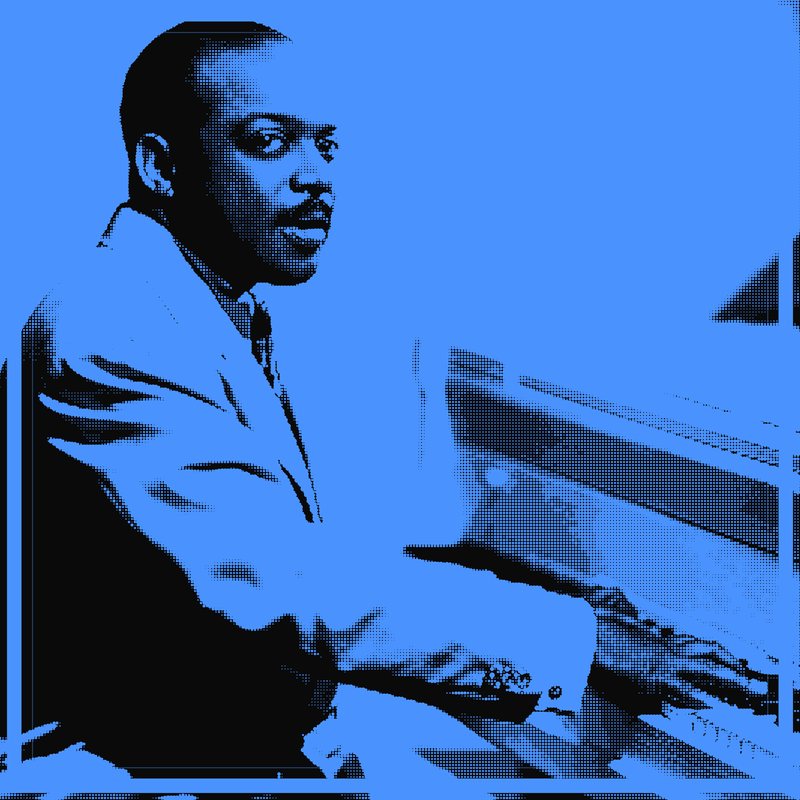
What the numbers say: Catalog 92, Identity 96, Performance 94. Count Basie led one of the definitive big bands for nearly fifty years, defining Kansas City swing with its relaxed, riff-based power. One O'Clock Jump is a standard. His rhythm section set the gold standard, and his influence runs through all of jazz and R&B.
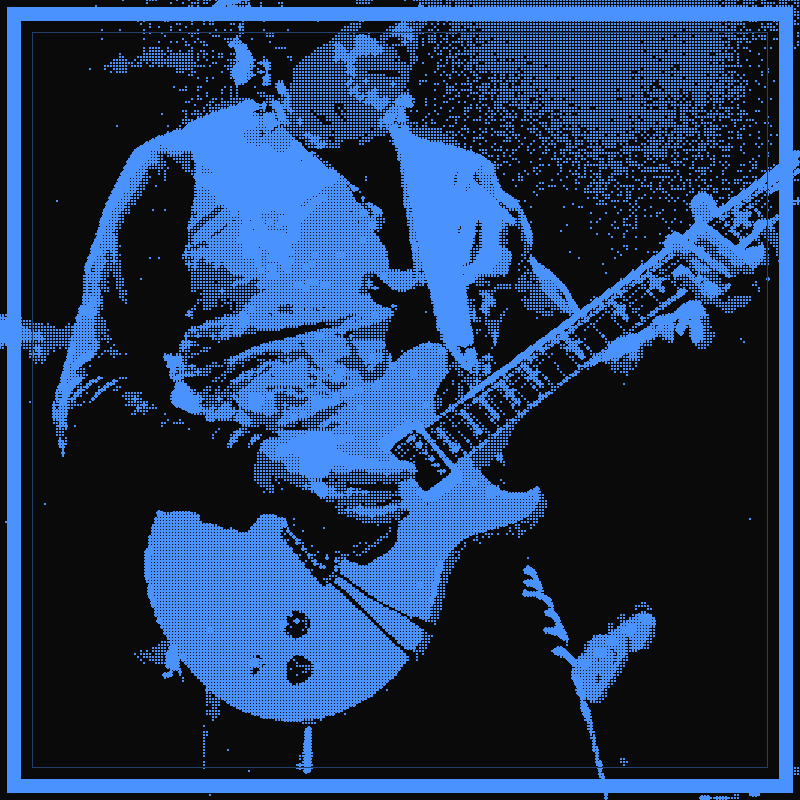
What the numbers say: Identity 96, Influence 94. Carlos Santana introduced Latin rhythms to rock at Woodstock and never stopped. Abraxas is a landmark; Supernatural made him a star all over again three decades later. His singing, sustained guitar tone is one of the most recognizable sounds in music.
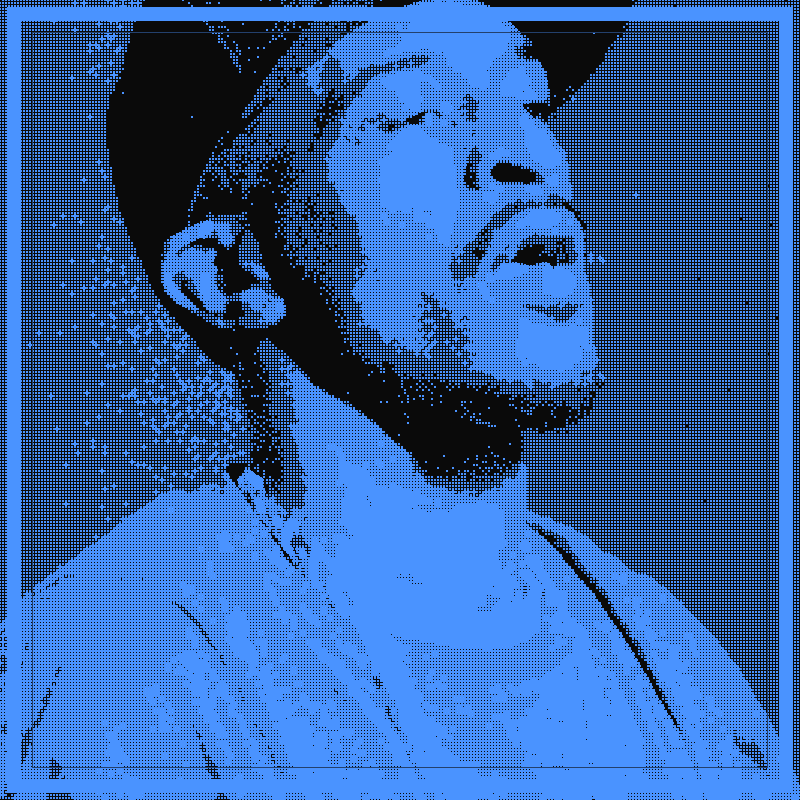
What the numbers say: Influence 100, Identity 100, Songwriting 98. Rakim reinvented rap technique — internal rhymes, complex flow, calm authority. Paid in Full (with Eric B.) changed what an MC could do. Every technical rapper since owes him the blueprint.
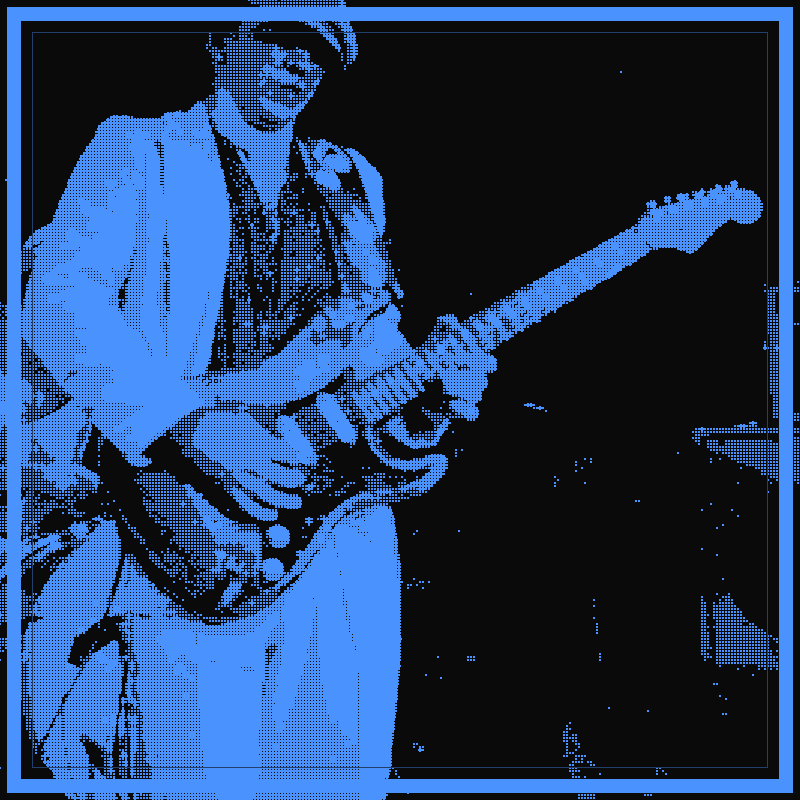
What the numbers say: Performance 98, Influence 96, Identity 96. Stevie Ray Vaughan revived electric blues in the 1980s — Texas Flood and Couldn't Stand the Weather are landmarks. His ferocious, soulful guitar made him the most important blues player of his generation before his death at 35.
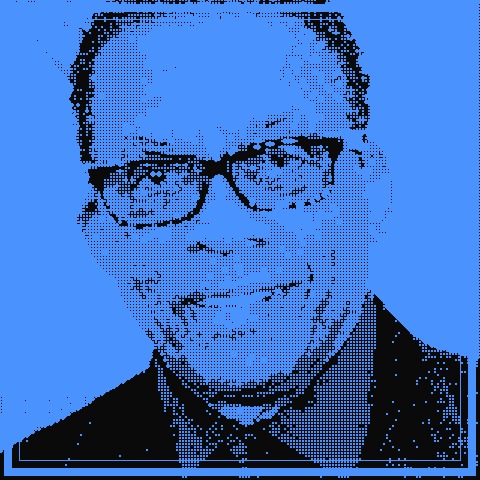
What the numbers say: Versatility 96, Influence 96, Performance 96. Herbie Hancock is one of jazz's great innovators — from Miles Davis's quintet to the jazz-funk of Head Hunters to the electro hit Rockit. His constant evolution and mastery span every era of modern music.
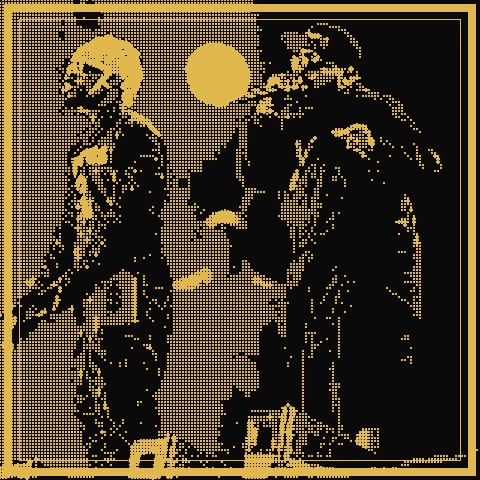
What the numbers say: Identity 100 — Andre 3000's outfits alone are a 100-point identity card. Big Boi's flow is one of the most technically underrated in hip hop. Together they created a sound that belonged to nobody else. Speakerboxxx/The Love Below won Album of the Year at the Grammys in 2004 — a rap album winning the top prize was still unusual then. Hey Ya! sold 12 million copies. Versatility 97 — they went from Southern gangsta rap to psychedelic soul to funk to pop and made all of it feel inevitable. Andre 3000 is on the short list for greatest rapper of all time and barely releases music. That scarcity makes the card worth more.

What the numbers say: Songwriting 95 / Performance 95 — "Astral Weeks" and "Moondance" are pillars; the voice is a soul instrument all its own. Peaks 94 — "Astral Weeks" (1968) is regularly named one of the greatest albums ever made. Catalog 92 — a vast, restless body of "Celtic soul."
Decade by decade: 1967 — "Brown Eyed Girl" makes him a star. 1968 — "Astral Weeks," a stream-of-consciousness masterpiece that sold poorly and never stopped growing in stature. 1970s onward — "Moondache," "Into the Mystic," decades of searching, prolific and prickly to the end.
Eye test: Play "Into the Mystic." The argument is over. One of the great voices and pens of the era.
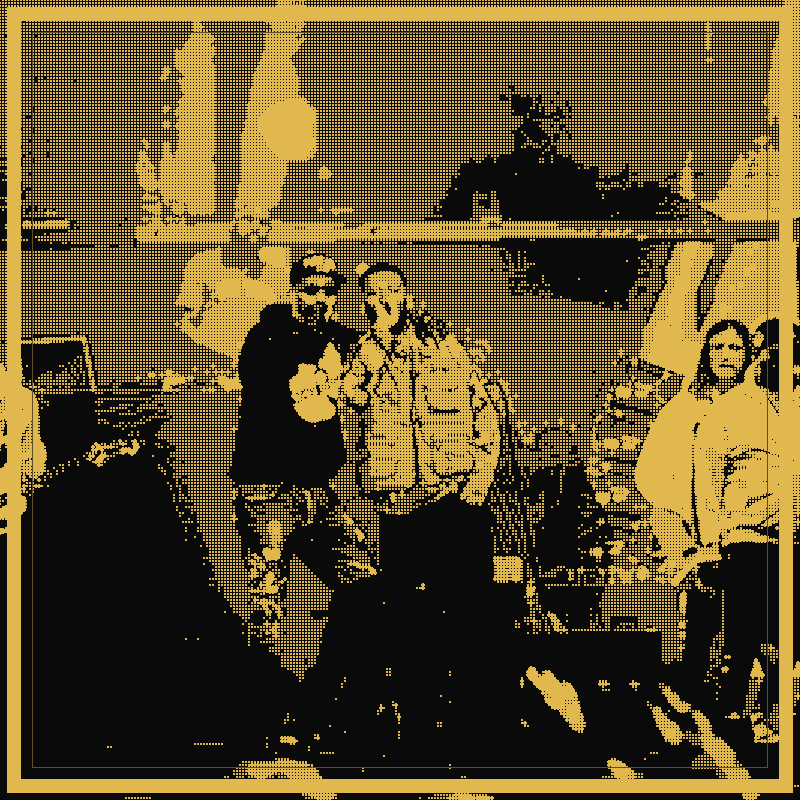
What the numbers say: Identity 100 — the W logo, the yellow and black, the mythology. You see it on a shirt in any country and you know. Influence 100 — the raw grimy underground aesthetic they invented in 1993 is the template every underground hip hop artist since has used. RZA's production style changed what hip hop could sound like. Nine solo careers launched from one group. C.R.E.A.M. is one of the five most important rap songs ever recorded. Commercial 78 is honest — they were never a pop act and never tried to be. That was the point.
Eye test: Enter the Wu-Tang 36 Chambers. 1993. Recorded in Staten Island for next to nothing. Still sounds like nothing else that existed before or after it.
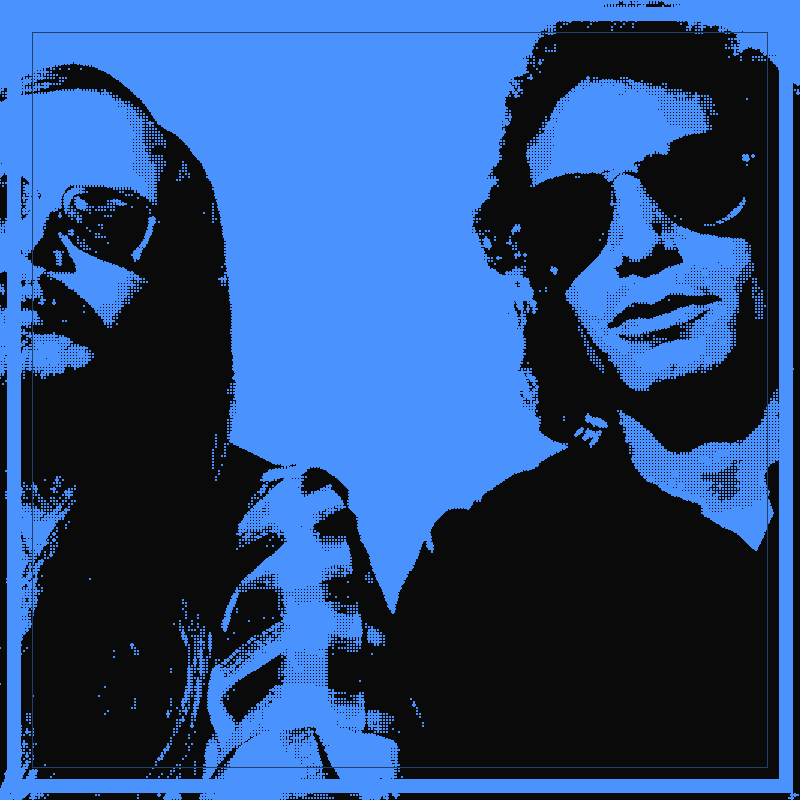
What the numbers say: Studio Craft 99 — the gold standard of recorded perfection; "Aja" is an audiophile's bible. Songwriting 96 — Becker and Fagen wrapped jazz harmony, literary cynicism, and pop hooks into something nobody else could replicate. Versatility 90 — jazz, rock, R&B, and pop fused so smoothly you don't see the seams.
Decade by decade: 1972–77 — a peerless run from "Can't Buy a Thrill" to "Aja," abandoning touring to live in the studio. 1980 — "Gaucho," then a long hiatus. 2000 — "Two Against Nature" wins Album of the Year, a victory lap decades later.
Eye test: Put on "Aja" on good speakers. Few records have ever been this clean and this deep at once.

What the numbers say: Commercial 100. Most commercially dominant rapper in history. Ghostwriting allegations are real and documented — that cap sits on the card permanently. The Kendrick loss is part of his legacy now whether he likes it or not.
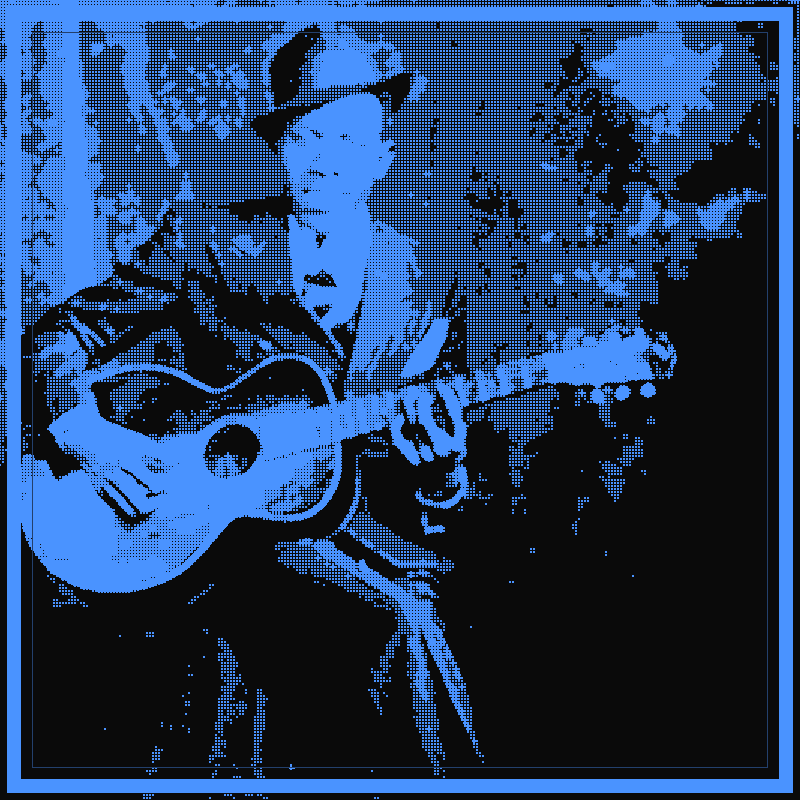
What the numbers say: Influence 100, Identity 100, Culture 96. Robert Johnson left only 29 songs and a myth about selling his soul at the crossroads, but those recordings are the foundation of blues and rock guitar. Clapton, Keith Richards, and every blues player since traces back to him. Commercial 60 is honest — he sold almost nothing alive. Influence 100 is the only number that matters.
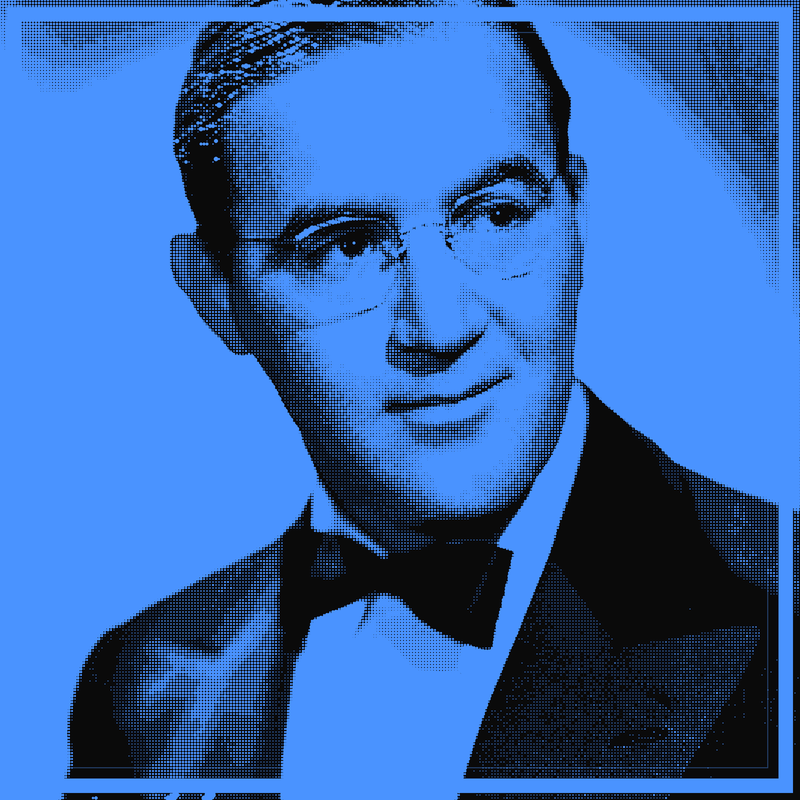
What the numbers say: Performance 96, Commercial 92, Peaks 94. Benny Goodman was the King of Swing — his 1938 Carnegie Hall concert legitimized jazz as concert music. A virtuoso clarinetist, he also integrated his band when that was nearly unheard of. Sing, Sing, Sing is the swing era's defining performance.
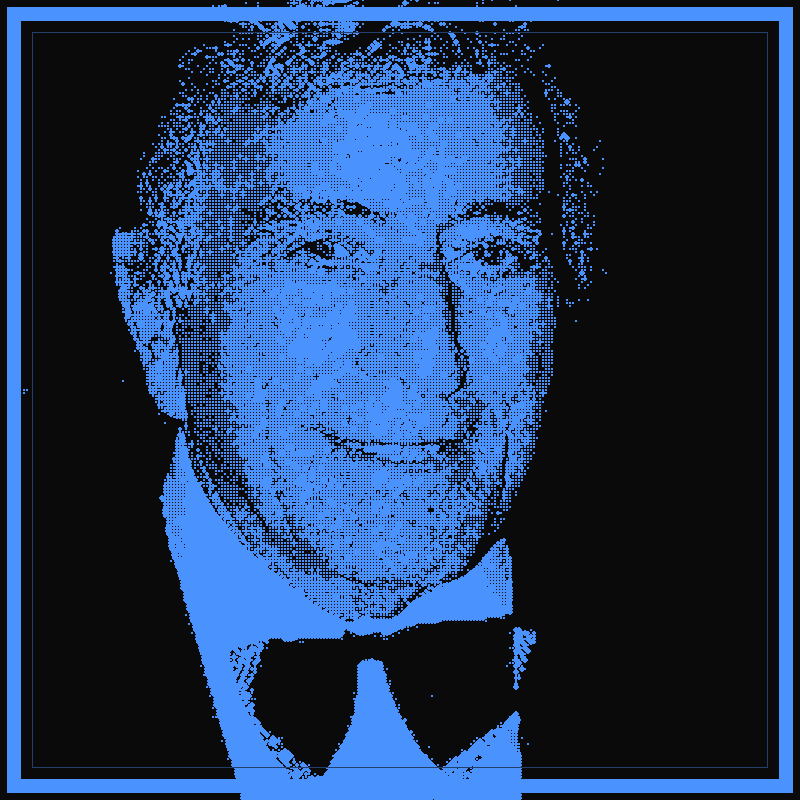
What the numbers say: Catalog 94, Performance 96, Commercial 90. Tony Bennett sustained one of the longest, most respected careers in popular music. I Left My Heart in San Francisco is a standard. Frank Sinatra called him the best singer in the business. His late-career duets introduced him to new generations — a model of artistic longevity.

What the numbers say: Identity 100, Songwriting 98, Versatility 92. Tom Waits is one of music's true originals — from boozy piano balladeer to junkyard-percussion experimentalist. Rain Dogs and Swordfishtrombones reinvented what a song could be. Commercial 70 is honest; he never chased hits. His influence on alternative and art-rock is enormous.
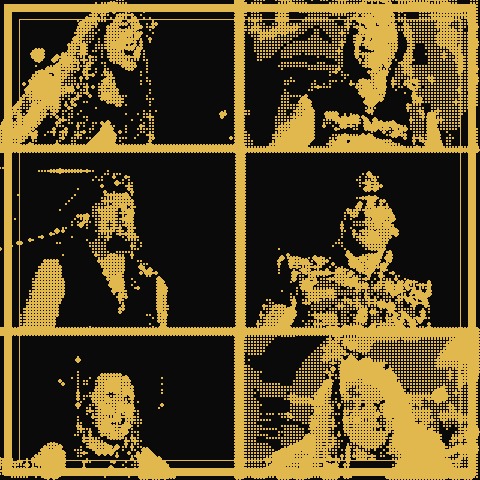
What the numbers say: Identity 98, Influence 94, Catalog 92. Iron Maiden are heavy metal's standard bearers — The Number of the Beast and Run to the Hills are anthems, Eddie is the genre's mascot, and their global fanbase is fanatically devoted across five decades.
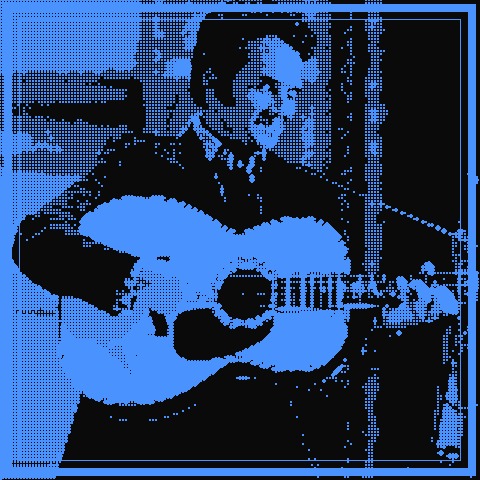
What the numbers say: Songwriting 96, Catalog 94, Identity 96. Merle Haggard is one of country's greatest songwriters — Mama Tried, Okie from Muskogee, and dozens more. The Hag's hard-living authenticity and prolific catalog make him a cornerstone of the genre.
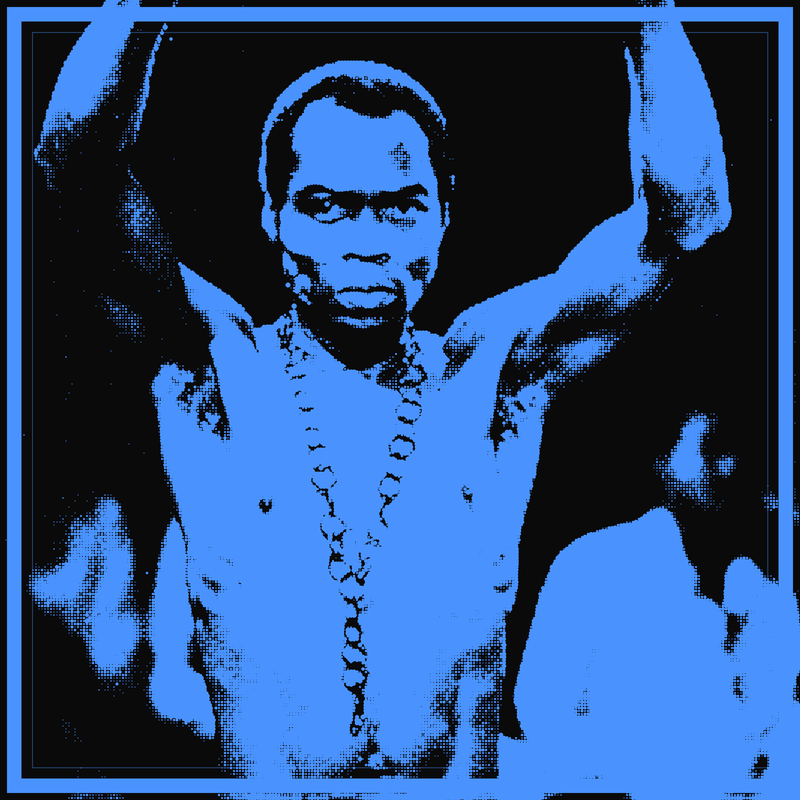
What the numbers say: Identity 100, Influence 98, Songwriting 94. Fela Kuti created Afrobeat — fusing jazz, funk, and West African rhythms into sprawling, politically explosive epics. Zombie and Expensive Shit challenged power directly. The most influential African musician in history.
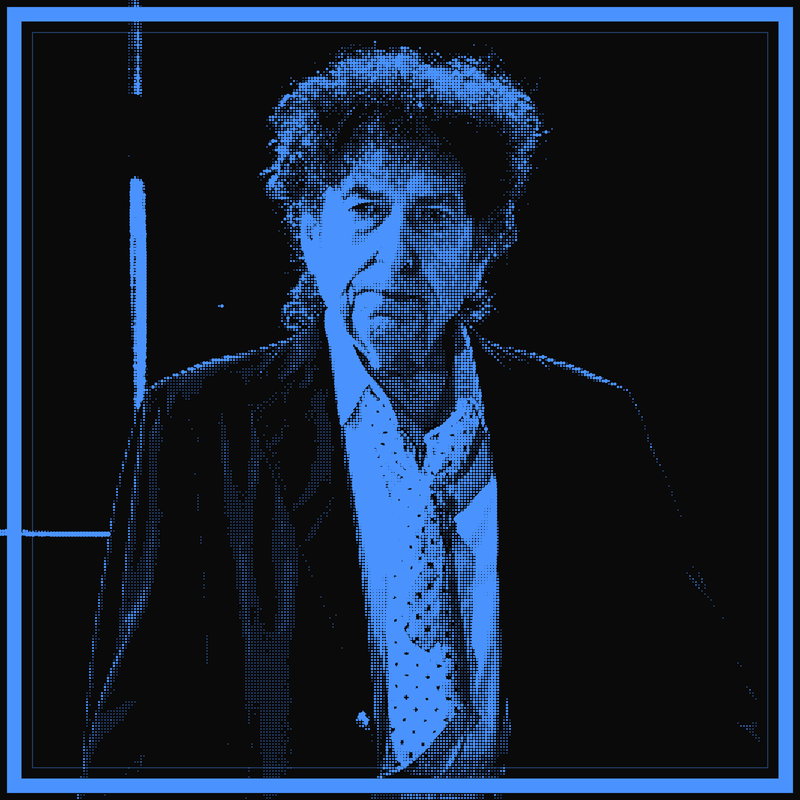
What the numbers say: Five 100s. First and greatest protest singer for social change. Blowin' in the Wind was on the steps of the March on Washington. Time Out of Mind — Album of the Year at 56. 2016 Nobel Prize in Literature. First musician ever. Gun to your head — one person writes the most important song ever recorded. Bob Dylan. Not close.
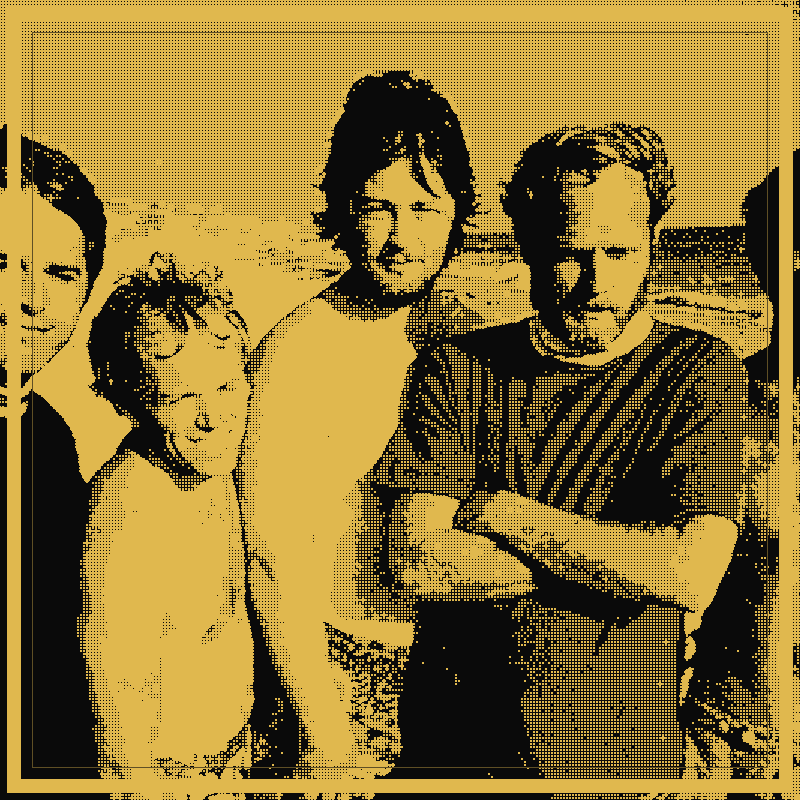
What the numbers say: Studio Craft 100 — Brian Wilson is one of the five greatest studio producers in rock history. Pet Sounds invented the modern pop album as a unified artistic statement. Good Vibrations was the most expensive single ever recorded at the time and worth every penny. Brian Wilson heard Rubber Soul and went into the studio for eight months and came out with Pet Sounds and then started Smile which he didn't finish for forty years. Influence 95 — the Beatles, Paul McCartney specifically, Elton John, almost every harmony-based pop act since 1966 felt Pet Sounds directly. The surfing songs paid for the masterpiece. Both were real.

What the numbers say: Studio Craft 100 — Trent Reznor is the greatest sonic architect in industrial music history. The Downward Spiral is not an album. It is a designed psychological experience. Pretty Hate Machine, The Downward Spiral, The Fragile, Year Zero — each one a complete different world built in the same dark key. Influence 97 — every industrial, electronic, and dark alternative act of the last thirty years feels this gravitational pull. He won two Academy Awards for film scoring. He gave away an album for free in 2008 and changed the industry conversation about music ownership. Hurt remains one of the most covered songs in history.
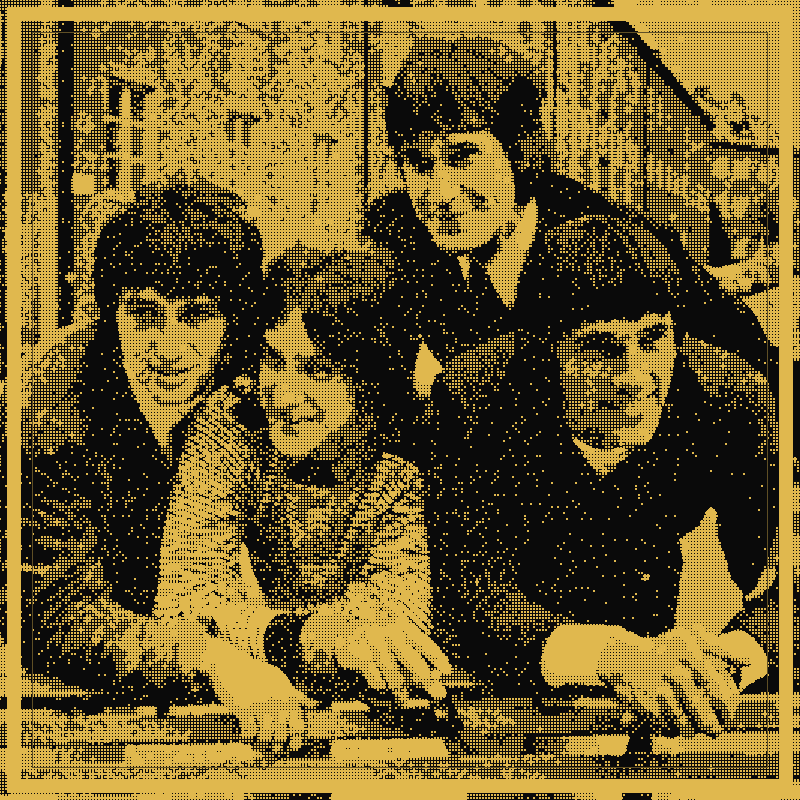
What the numbers say: Songwriting 96 — Ray Davies is one of the great writers in rock, from "Waterloo Sunset" to "Lola" to "Days." Influence 94 — "You Really Got Me" is arguably the first metal riff; the village-green songcraft is the source code for The Jam, Blur, and all of Britpop. Catalog 92 — deep and consistent across two decades.
Decade by decade: 1964 — "You Really Got Me" detonates with a distorted riff nobody had heard. 1966–71 — a golden run of character-driven English songwriting ("Sunny Afternoon," "Waterloo Sunset," "Village Green"). Banned from US touring for years, which capped the commercial peak and deepened the legend.
Eye test: Metal and Britpop both point back here. One of the most influential bands the casual listener still underrates.

What the numbers say: Influence 94 / Studio Craft 96 — as half of the Neptunes he produced for Jay-Z, Snoop, Britney, Justin, Nelly and Gwen, an era's worth of radio in one fingerprint, then took a second peak as a front man. Performance 82 is the honest low note: the voice is pleasant, not the weapon. The genius lives on the board and in the ideas.
Eye test: If you heard pop or hip-hop between 2001 and 2014, you heard Pharrell. Few producers ever cast a longer shadow.
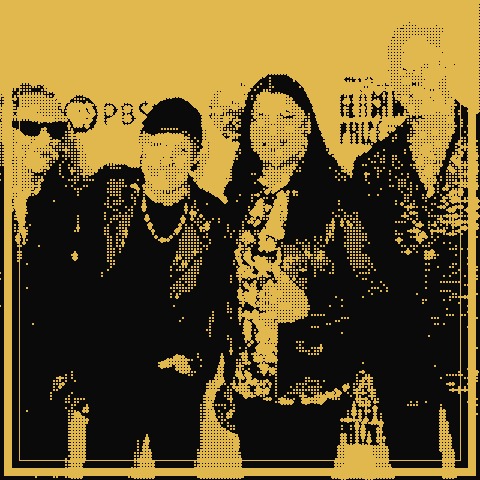
What the numbers say: Identity 100 — the four-pointed star logo, the wall of Marshall stacks, James Hetfield's right hand. You hear the opening of Enter Sandman and you know exactly where you are. Influence 97 — every metal band since 1983 has answered the question of what to do about Metallica. Master of Puppets is the greatest thrash metal album ever recorded. The Black Album is the best-selling metal album in history. They sued Napster in 2000 and were right about the argument and wrong about the optics and it didn't matter because the music was indestructible. Cliff Burton died in a tour bus accident in 1986. The band survived and became bigger. Both things are true.
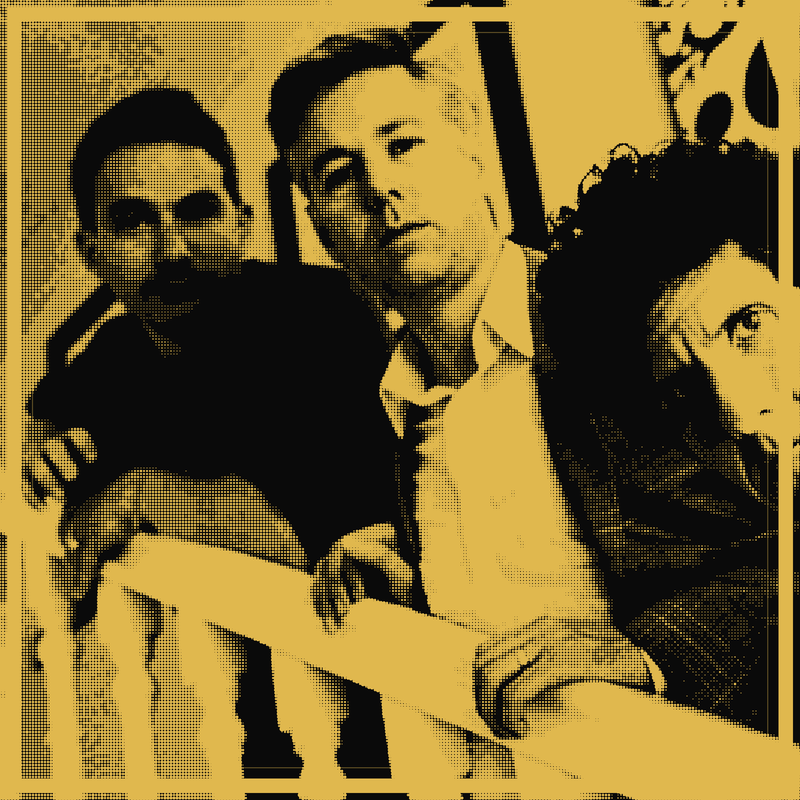
What the numbers say: Influence 97 — Licensed to Ill is the first rap album to go number one on the Billboard 200. That door was closed before they opened it. Culture 96 — they crossed hip hop into suburban white America and did it without apology or compromise. Paul's Boutique 1989 — one of the most sample-dense, sonically complex albums in hip hop history. Ahead of its time by about a decade. MCA died in 2012. They never performed again. The Beastie Boys Book is one of the best music memoirs ever written. They were always smarter than they let on and that was the whole trick.
Eye test: Sabotage. Fight for Your Right. Intergalactic. No straight line connects those three songs. That's Versatility 88.

What the numbers say: Performance 99 — the voice is the argument. Careless Whisper, Faith, Father Figure, One More Try, Kissing a Fool. Five songs, five completely different emotional registers, all delivered with the same effortless command. Faith sold 25 million copies worldwide. He sued Sony Records in 1992 to get out of his contract on artistic grounds — and lost — and released Listen Without Prejudice Vol. 1 anyway, which is one of the most underrated albums of the 1990s. Died Christmas Day 2016 at 53. The catalog is shorter than it should have been. The voice was one of the best that ever existed in this genre.
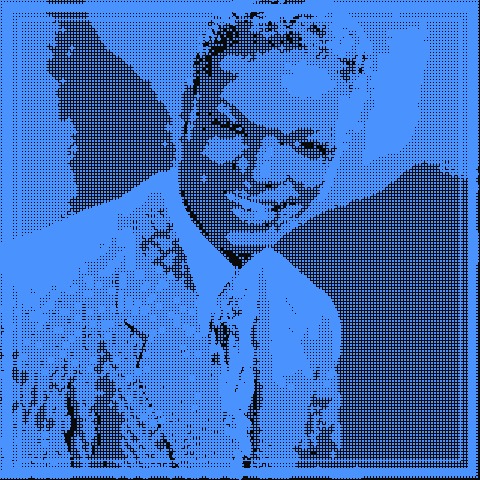
What the numbers say: Performance 100, Identity 100. The warmth of his voice is a specific thing — intimate, elegant, effortless. Unforgettable, Nature Boy, Mona Lisa, The Christmas Song — a catalog of songs so associated with his voice that the originals feel like covers now. He was the first African American man to host a nationally broadcast television show in America. The NBC show was cancelled because no national sponsor would buy advertising on a Black man's show. He performed it anyway until there was no budget left. The voice never sounded like any of that was happening.

What the numbers say: Identity 100, Songwriting 96, Studio Craft 95. Kate Bush is one of the most original artists in pop history — a singer, writer, producer, and choreographer who built whole worlds out of sound. Hounds of Love is an art-pop masterpiece. She influenced everyone from Björk to Florence to Tori Amos. Self-directed, self-produced, uncompromising.

What the numbers say: Commercial 98, Influence 96, Catalog 92. Bing Crosby invented modern pop singing — the intimate, microphone-aware crooning style every vocalist since has used. White Christmas remains the best-selling single ever. He was the most popular recording artist of the first half of the 20th century and shaped Sinatra, Dean Martin, and all who followed.
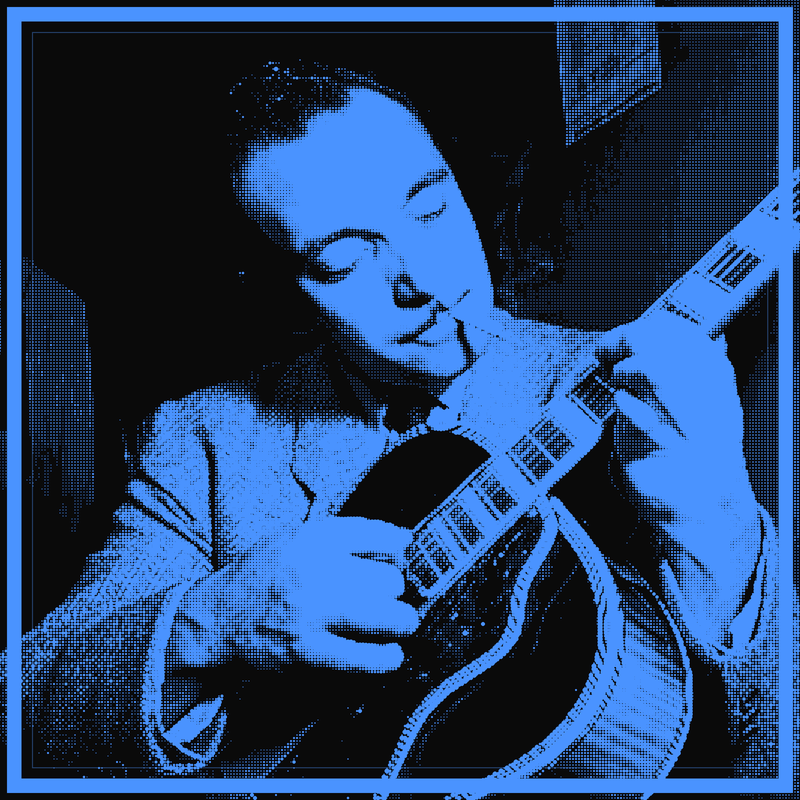
What the numbers say: Performance 98, Influence 96, Identity 98. Django Reinhardt invented gypsy jazz and remains one of the most influential guitarists ever — astonishing given he played with only two fully functional left-hand fingers after a fire. Minor Swing and his work with the Quintette du Hot Club de France set a standard guitarists still chase.
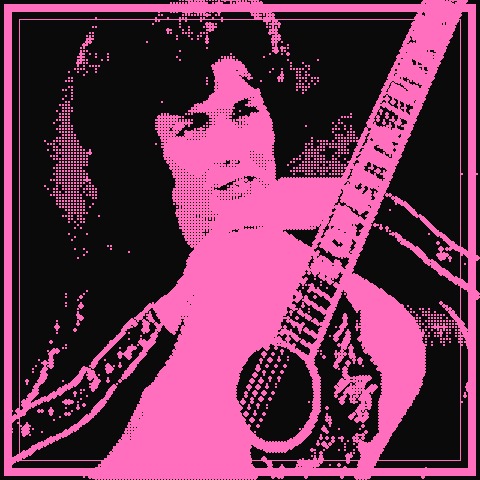
What the numbers say: Songwriting 94, Identity 98, Catalog 92. Loretta Lynn was country's most honest voice — Coal Miner's Daughter, The Pill, Don't Come Home A-Drinkin'. She wrote frankly about working-class women's lives when Nashville wouldn't, breaking ground for every female country artist who followed. A foundational figure.
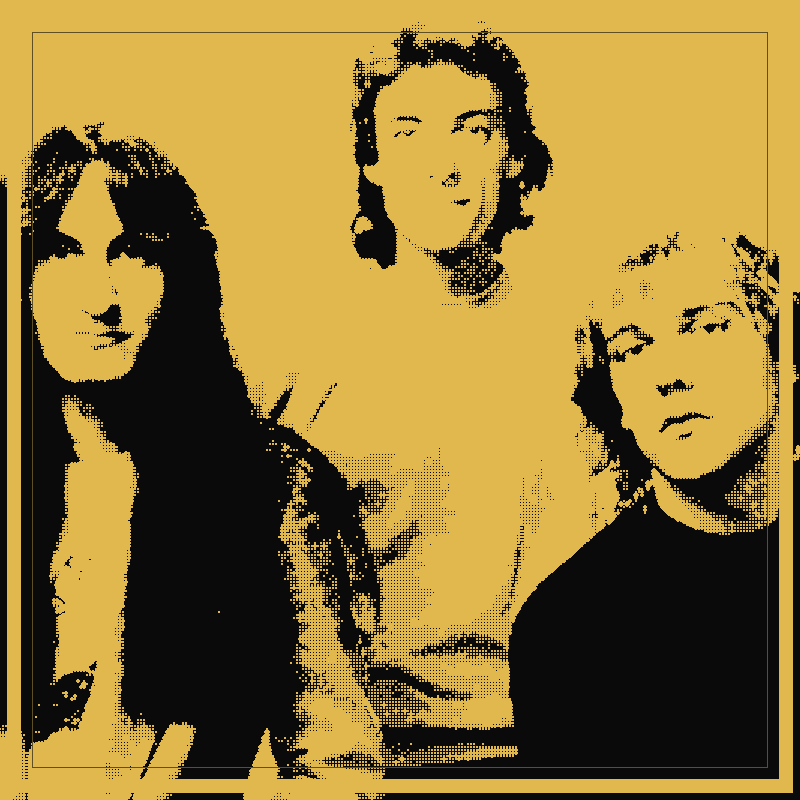
What the numbers say: Performance 96, Identity 96. Rush were the ultimate musicians' band — Geddy Lee, Alex Lifeson, and Neil Peart pushed technical rock to its limits across 40 years. 2112 and Moving Pictures are prog landmarks. Worshipped by musicians, beloved by a fiercely loyal fanbase.
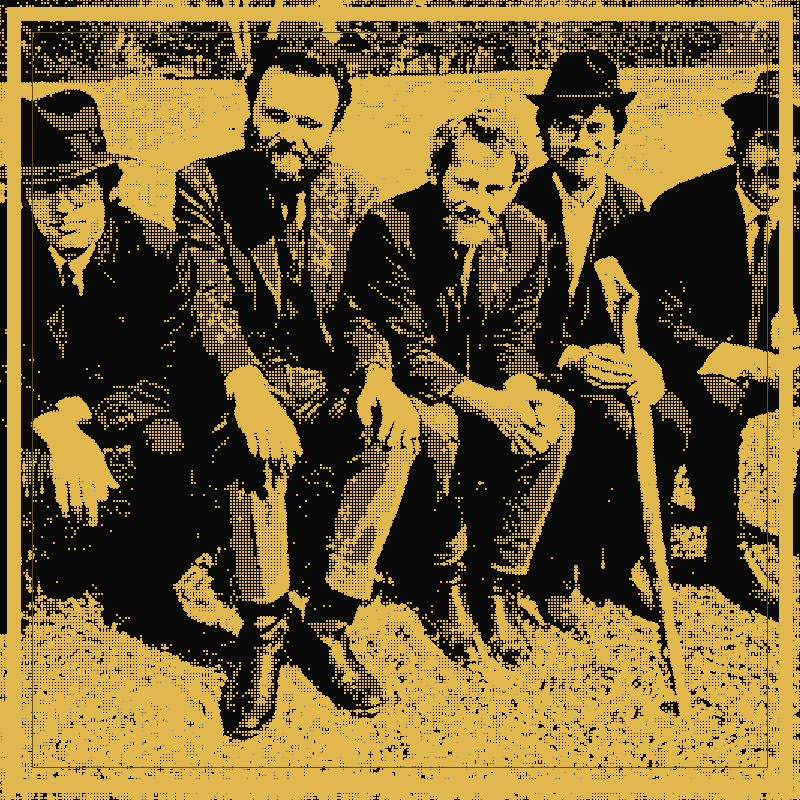
What the numbers say: Influence 96, Identity 96. The Band fused rock, country, folk, and soul into something timelessly American. Music from Big Pink and The Last Waltz are landmarks. They influenced everyone who ever wanted roots music to sound this soulful.
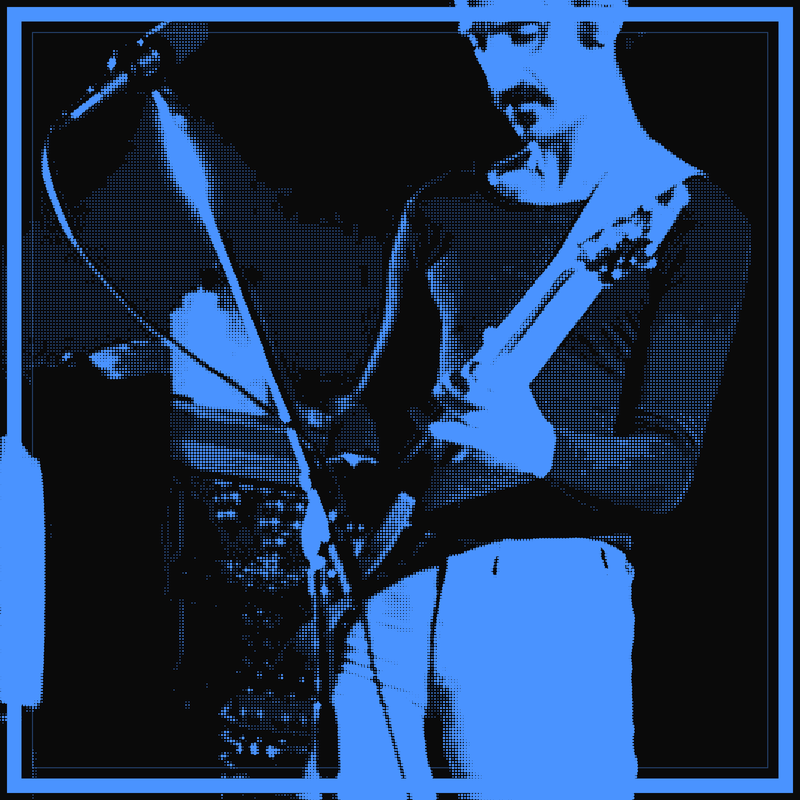
What the numbers say: Versatility 98, Identity 98, Songwriting 96. Frank Zappa was a true original — composer, satirist, virtuoso, and relentless experimentalist across rock, jazz fusion, and orchestral music. Commercial 68 is honest; he never chased it. His independence and output remain unmatched.
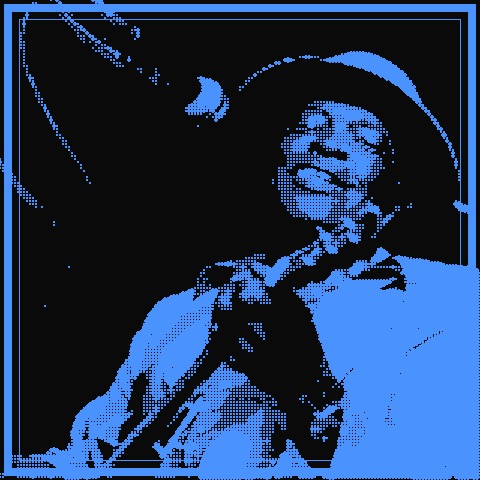
What the numbers say: Identity 98, Influence 96. John Lee Hooker's hypnotic, rhythmic boogie blues — Boom Boom, Boogie Chillen — influenced the Stones, ZZ Top, and countless others. One of the most distinctive and foundational blues artists of all time.

What the numbers say: Performance 98, Identity 96. George Jones had the most expressive voice in country history — He Stopped Loving Her Today is widely called the greatest country record ever. The Possum's phrasing and emotion set the standard no one has matched.
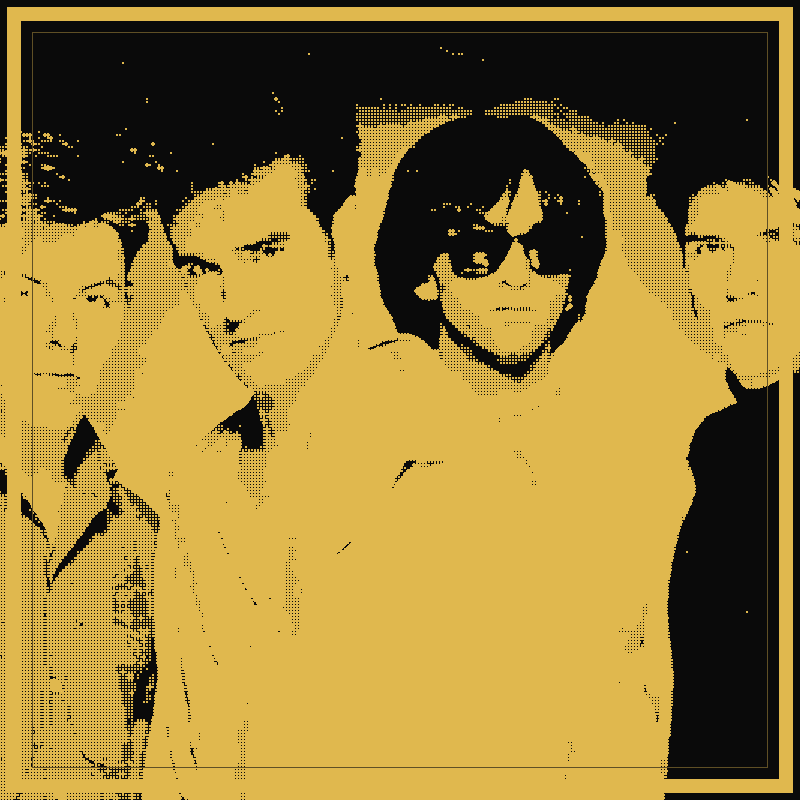
What the numbers say: Influence 98, Songwriting 96, Identity 98. The Smiths are the cornerstone of British indie rock — Morrissey's literate misery and Johnny Marr's jangling genius made The Queen Is Dead a landmark. Few bands burned so briefly and influenced so permanently.
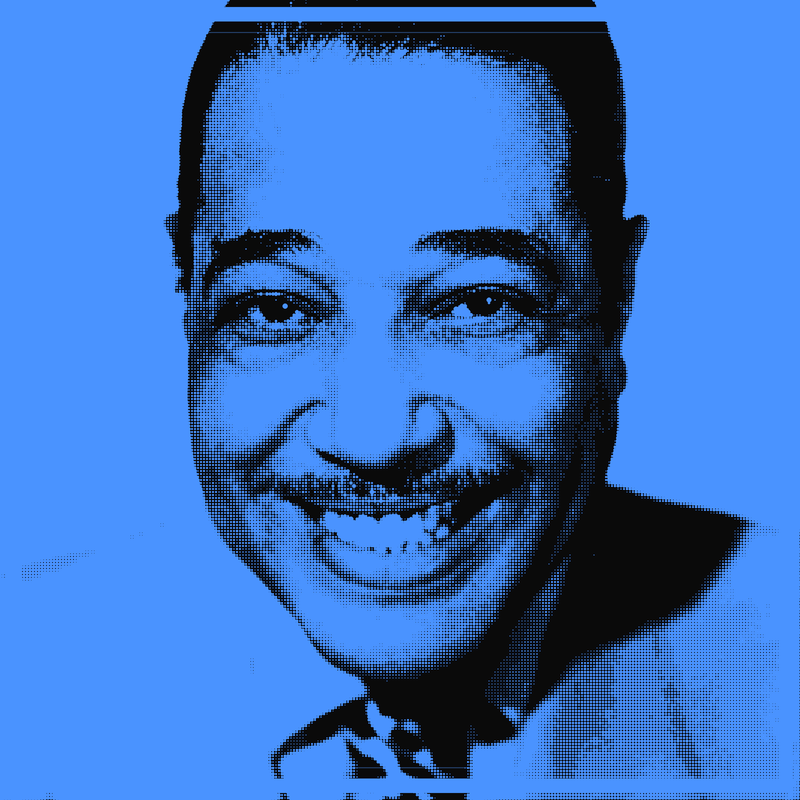
What the numbers say: Influence 100. Ellington wrote over 1,000 compositions. Mood Indigo, Take the A Train, It Don't Mean a Thing — these are standards that every jazz musician of the 20th century learned. Catalog 97 reflects not just depth but coherence: the Ellington body of work has a recognizable language across five decades. The Commercial 68 is honest — jazz never moved units like pop, and Ellington didn't chase radio. He built the Cotton Club residency (1927–1931) into a national radio presence instead.
Career arc: 1923–1974. Cotton Club 1927. Carnegie Hall debuts starting 1943. Three Pulitzer Prize nominations (one honorary in 1999, posthumous). Presidential Medal of Freedom in 1969 from Nixon. Toured globally for the State Department. Kept the orchestra working and recording until the week he died of lung cancer and pneumonia at 75.

What the numbers say: Performance 100 — she could rap and sing at the level of the greatest rappers and greatest singers alive simultaneously. Nobody else on this card does both at that level. Miseducation won Album of the Year in 1999 — the first rap album to do so. It sold 19 million copies. Catalog 52 is the honest brutal number — one studio album in twenty-five years. The influence of that one album runs through every neo-soul and hip hop artist of the last two decades. Erykah Badu, Alicia Keys, Beyoncé, Cardi B — they all felt it. Versatility 90 — she raps, sings, produces, writes, all at elite level. The tragedy is she only showed us once.
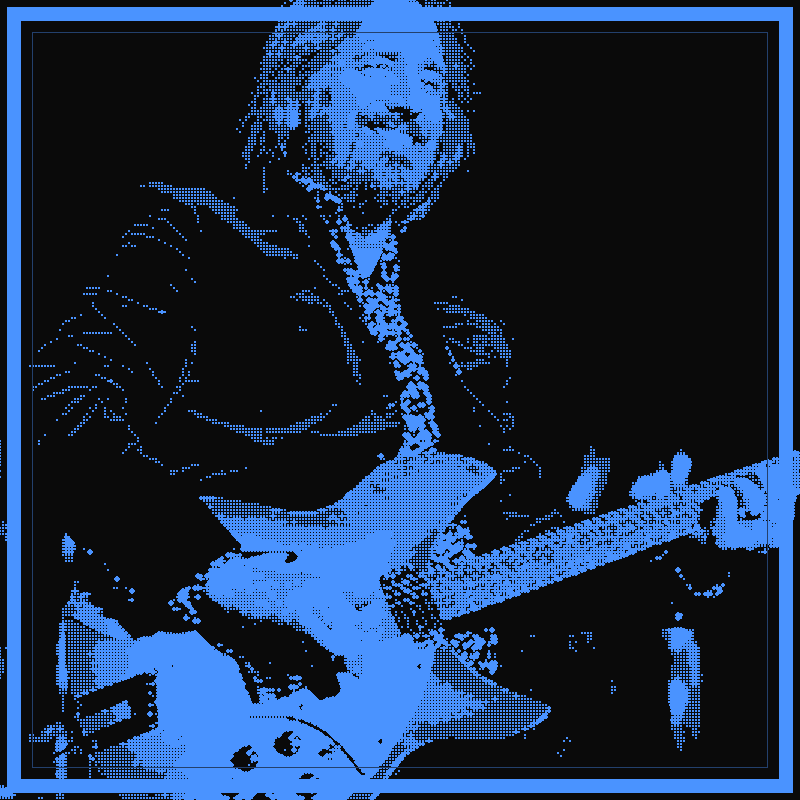
What the numbers say: Songwriting 97 — American Girl, Breakdown, Refugee, The Waiting, Free Fallin', Learning to Fly, Mary Jane's Last Dance. That is a songwriting catalog that belongs in any conversation about the greatest American rock songwriters who ever lived. No 100s, no reds. The shape of this card is a steady wall of quality across forty years. He fought his record label in 1979 over pricing and won. He refused to let his music be sold for ringtones. He was right about everything and he made it all look easy. Died 2017. The songs will outlast all of us.
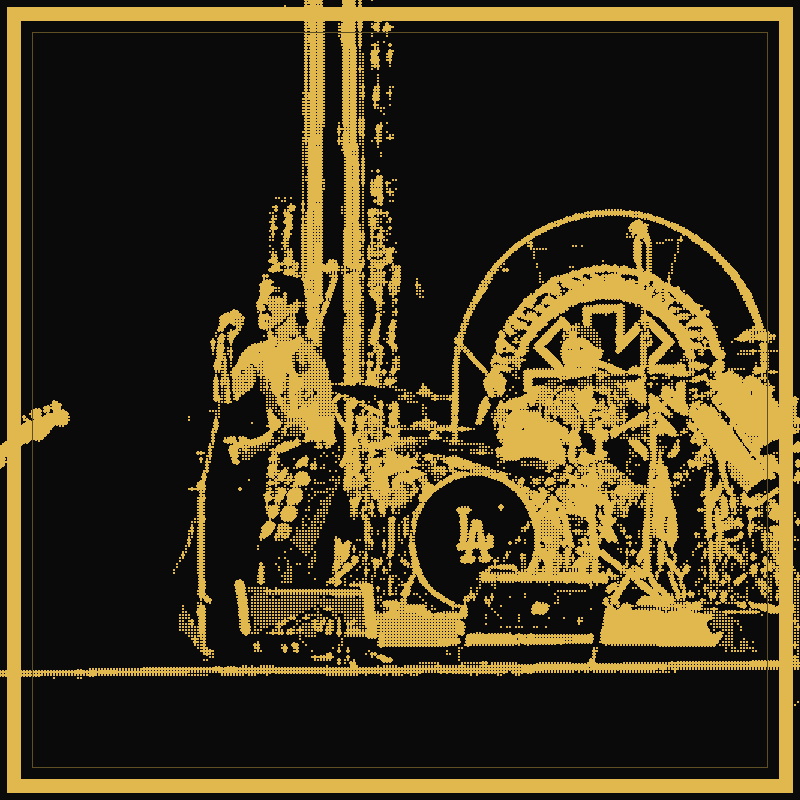
What the numbers say: No 100s, no reds. Blood Sugar Sex Magik — 1991 — Under the Bridge, Give It Away, Suck My Kiss, Breaking the Girl. Seven million copies. Californication 1999 — another seven million. Stadium Arcadium 2006 — double album, number one in twenty-eight countries. Flea is one of the greatest bass players in rock history. They have survived lineup changes, drug addiction, and thirty years of changing taste without ever becoming irrelevant. That endurance is the shape of this card.
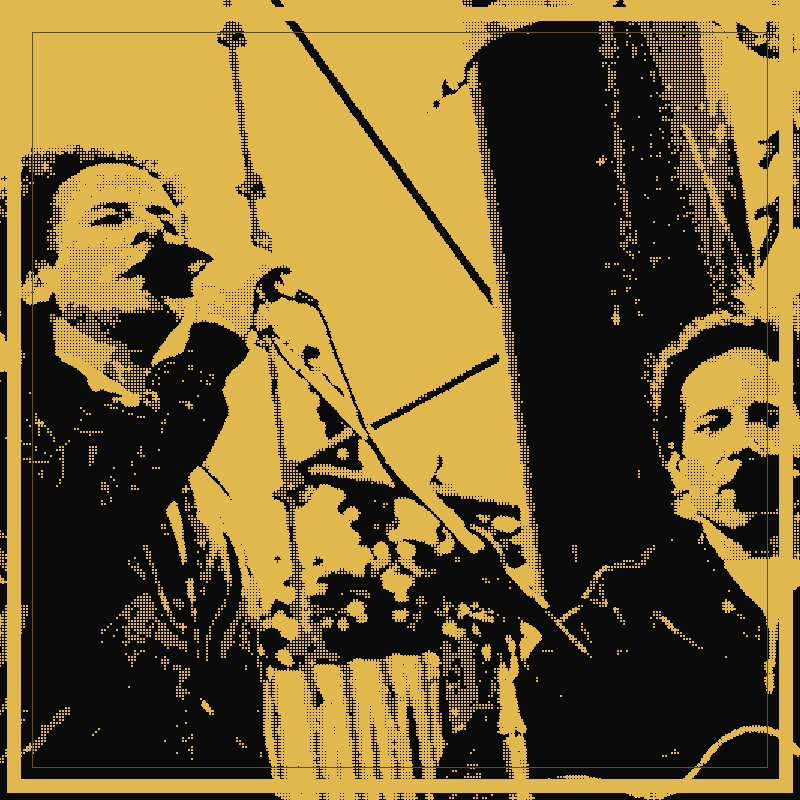
What the numbers say: Songwriting 100 — The Sound of Silence, Mrs. Robinson, The Boxer, Bridge Over Troubled Water. Paul Simon writing at this level is the whole argument. Bridge Over Troubled Water won five Grammys including Album of the Year. Mrs. Robinson won three. The Boxer is one of the ten greatest folk songs ever written. Catalog 79 is the honest number — six studio albums, short run, then it was over. The ceiling on what this card can score is set by how little they made together. What they made was nearly perfect. There just wasn't enough of it.
Eye test: The Sound of Silence. You already heard it in your head when you read those three words. That is a 100-point songwriting card in one data point.
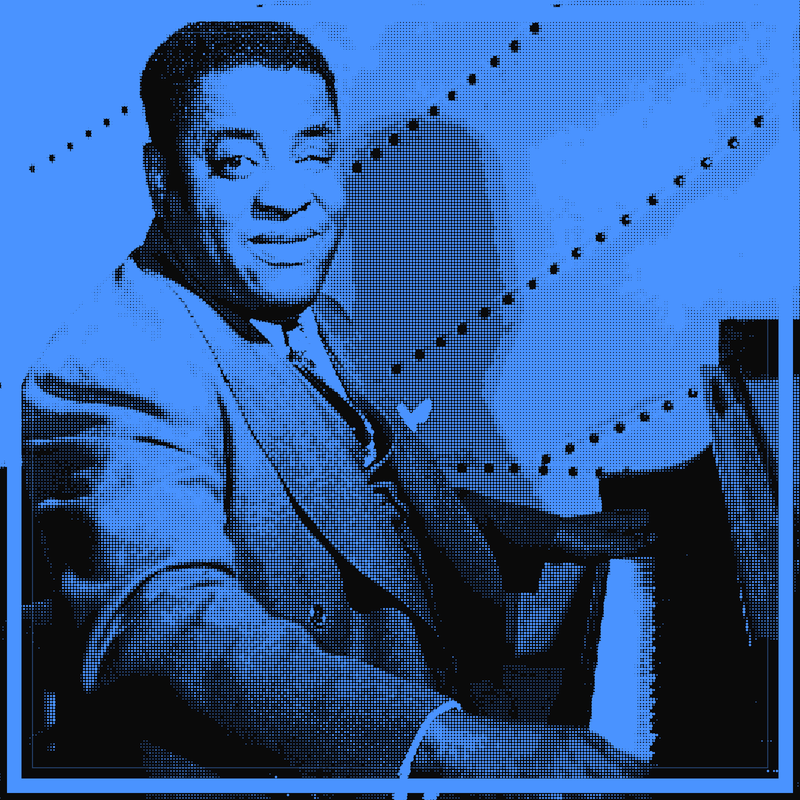
What the numbers say: Performance 100, Influence 96, Identity 96. Art Tatum had perhaps the greatest technique in the history of jazz piano — so advanced that classical virtuosos came to study him. Nearly blind, he reharmonized standards with a speed and complexity that intimidated every pianist who heard him. Tiger Rag is a clinic.

What the numbers say: Performance 96, Identity 94, Catalog 88. Gladys Knight, the Empress of Soul, led Gladys Knight & the Pips through a string of classics — Midnight Train to Georgia, I Heard It Through the Grapevine, Neither One of Us. Her warm, powerful voice anchored some of soul's most enduring records across six decades.

What the numbers say: Influence 94, Performance 94. Deep Purple are foundational to hard rock and metal — Machine Head and the Smoke on the Water riff are universal. Ritchie Blackmore's guitar and Ian Gillan's scream set the template the whole genre followed.
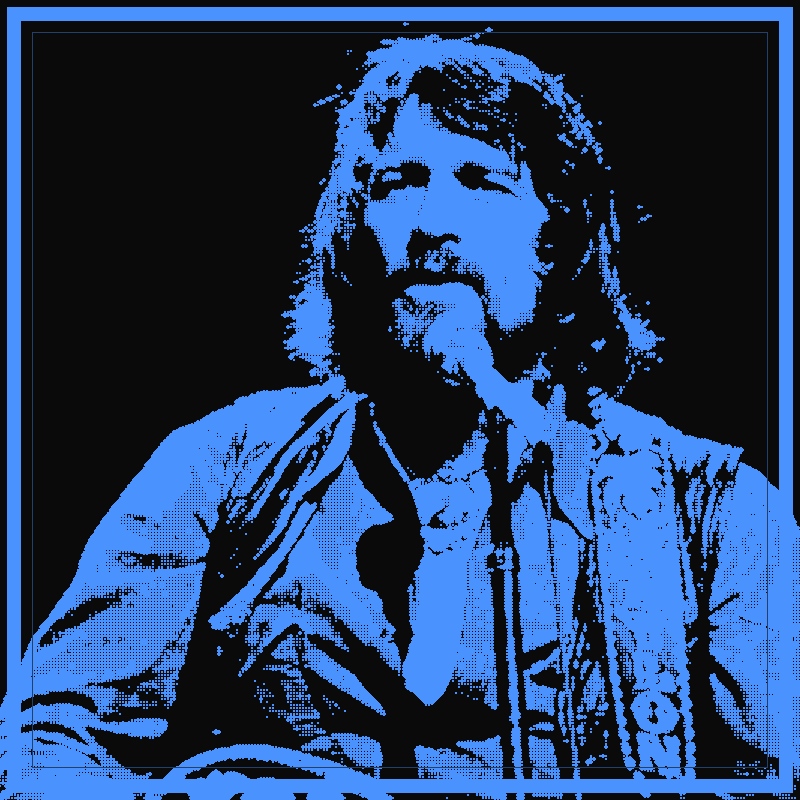
What the numbers say: Identity 96, Songwriting 92. Waylon Jennings founded the outlaw country movement — rejecting Nashville's slick formula for raw, rebellious authenticity. Honky Tonk Heroes and the Wanted! The Outlaws album reshaped country music.
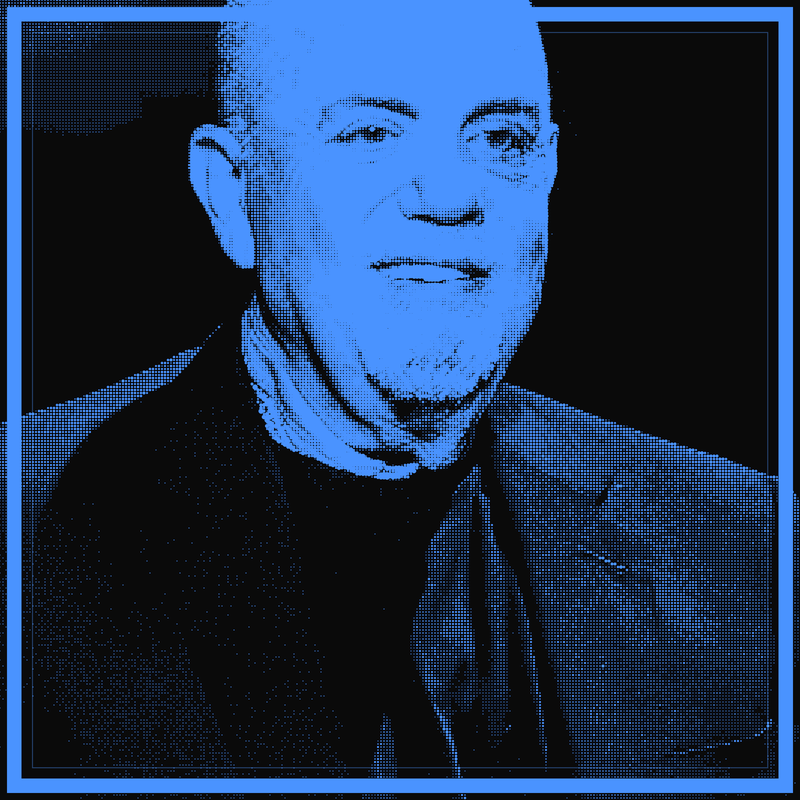
What the numbers say: Songwriting 97 — Piano Man, The Stranger, Just the Way You Are, It's Still Rock and Roll to Me, Allentown, Piano Man, We Didn't Start the Fire, The Piano Man. That catalog is bulletproof. 150 million records sold. No original albums since 1993 and he still sells out 20,000-seat arenas on residency. That is a Catalog 91 and a Commercial 91 earned the hard way. He has never been fashionable and the music has never stopped working. That gap between critical reception and actual cultural staying power is the whole argument for this card.
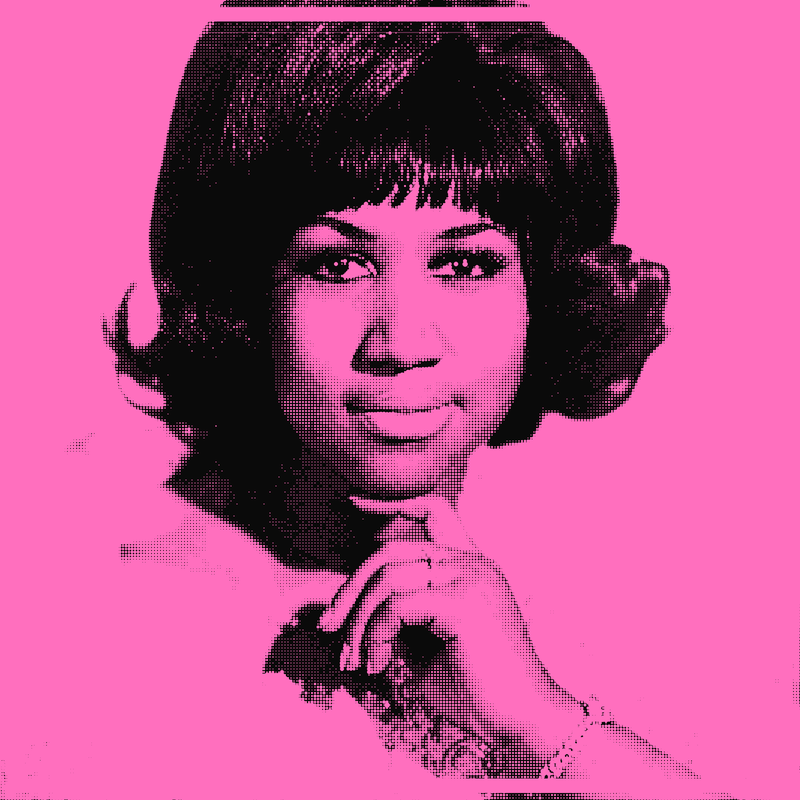
What the numbers say: Performance 100, Identity 100, Culture 100, Influence 100. 1998 — stepped in for Pavarotti at the Grammys with 15 minutes notice, sang Nessun Dorma in a language she'd never performed in. The Queen is not a title. It's a fact.
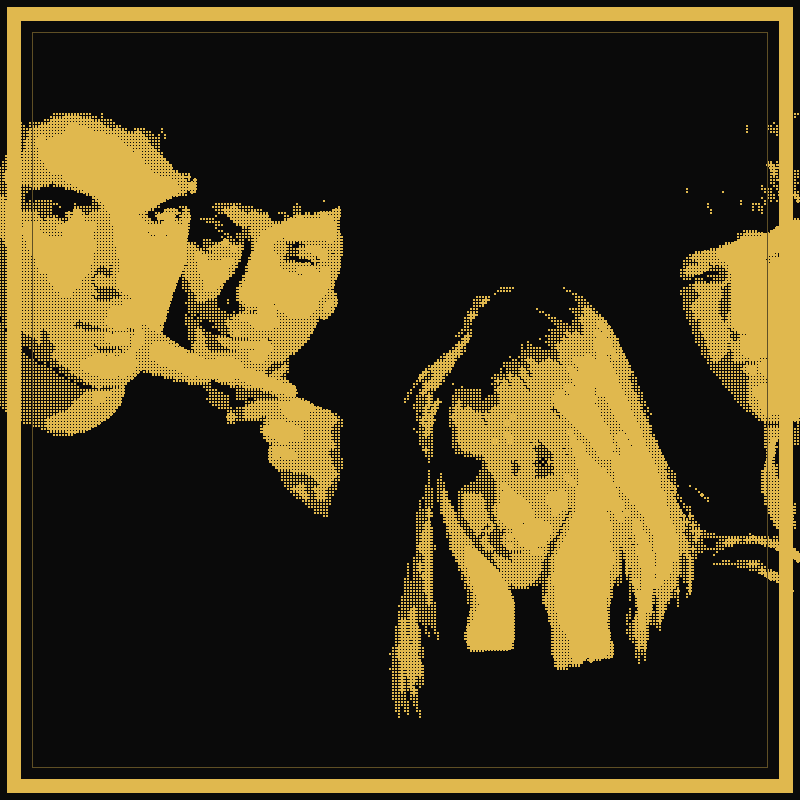
What the numbers say: Songwriting 96, Studio Craft 95. They worked with Brian Eno and made two of the most sonically adventurous albums in rock history — Fear of Music and Remain in Light. Once in a Lifetime is one of the five greatest art rock songs ever recorded. Stop Making Sense is the greatest concert film in rock history. David Byrne in the big suit. If you've seen it you know. Versatility 91 — they moved through punk, funk, world music, art rock and made all of it feel like the same band. Commercial 74 is the honest art ceiling. They made the records they wanted to make and the audience that found them kept them forever.
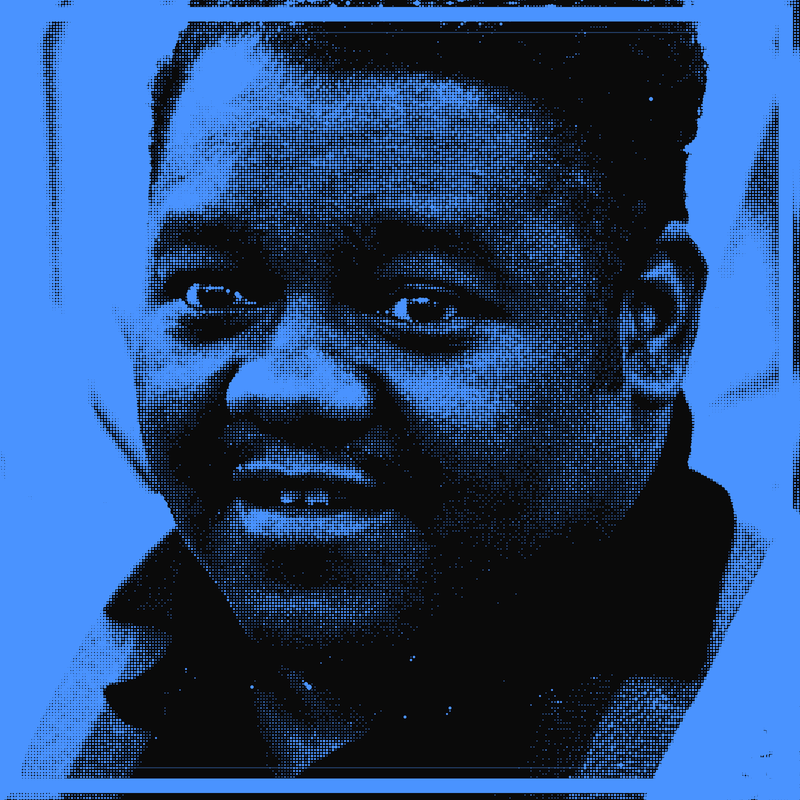
What the numbers say: Influence 95 — the New Orleans piano roll under "Ain't That a Shame" and "Blueberry Hill" is in the DNA of rock and R&B. Commercial 92 — only Elvis outsold him in the 1950s. Identity 94 — that warm Creole drawl was unmistakable from the first bar. Songwriting 90 — co-wrote most of his own hits with Dave Bartholomew, a partnership that ran like a hit factory.
Decade by decade: 1949–55 — builds R&B hits out of New Orleans before the word "rock" existed. 1955–60 — crosses over to white radio without changing a thing, scoring 11 Top 10 pop hits. He simply kept doing what he'd always done while the world finally caught up.
Eye test: No pose, no scandal, no reinvention — just thirty years of perfect records. The most underrated founding father on the board.

What the numbers say: Performance 96 — a four-octave, whistle-register instrument that's the envy of the genre. Commercial 94 — 7 rings, thank u next, positions; a relentless run of No. 1s. Catalog 88 — deep, consistent, and creatively restless. Peaks 92 — thank u, next was a cultural and commercial event.
The run: 2013 — Yours Truly introduces the voice. 2018–19 — Sweetener and thank u, next (released months apart) make her the biggest pop star alive. She turned personal turmoil into some of the decade's defining pop.
Eye test: The voice alone earns the card. One of the great pure vocalists of her era.

What the numbers say: Performance 100 — the five-octave range including the whistle register. Nobody in pop history has had that range plus that control simultaneously. Commercial 97 — 200 million records sold. Eighteen number one singles — tied with Elvis for second most in history behind The Beatles. All I Want for Christmas Is You earns an estimated three million dollars every December on streaming alone. Influence 95 — every pop-R&B diva since the 1990s studied her runs and her range. Versatility 54 is honest — she does one thing at the highest possible level. The one thing is the greatest vocal instrument in pop history. That's the card.
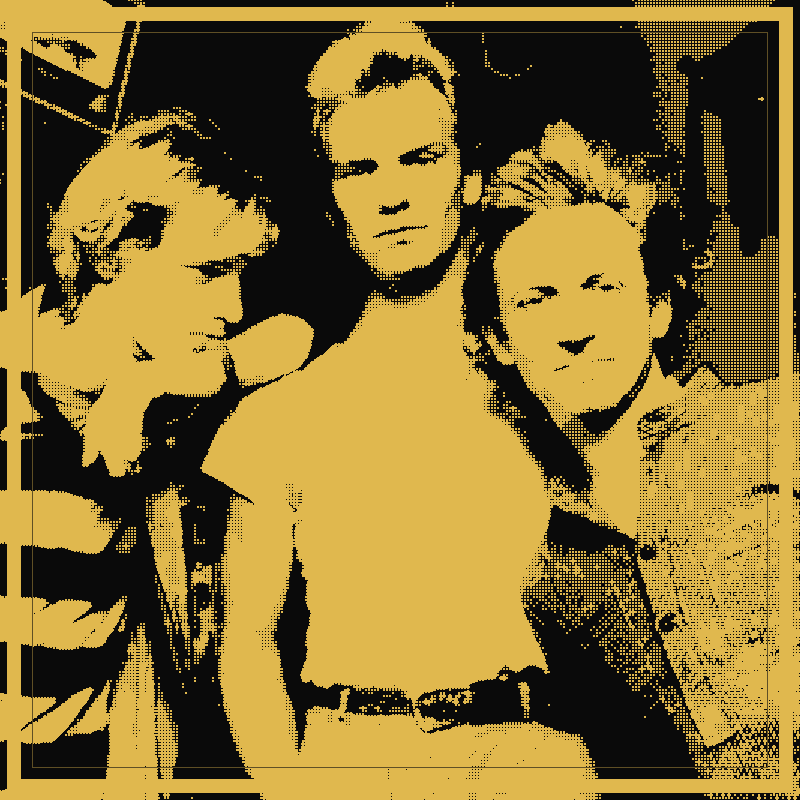
What the numbers say: Performance 95, Commercial 94. Three genuine virtuosos — Sting's bass and writing, Andy Summers' guitar textures, Stewart Copeland's drumming — fused reggae, punk, and pop into something nobody had heard. Every Breath You Take is one of the most-played songs in radio history. They quit after Synchronicity at the top of the world. A perfect, short, undiluted catalog.
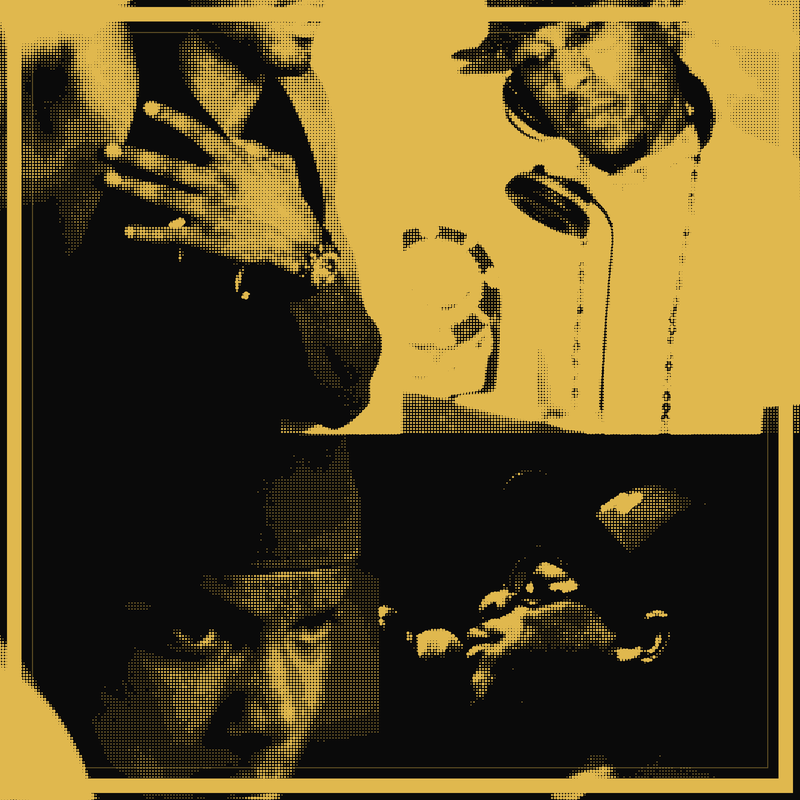
What the numbers say: Studio Craft 96, Influence 96, Identity 96. A Tribe Called Quest fused jazz and hip hop into something warm, intelligent, and endlessly sampled. The Low End Theory and Midnight Marauders are foundational texts. They proved rap could be conscious without being preachy and smooth without being soft. The blueprint for everything jazzy and soulful in hip hop since.
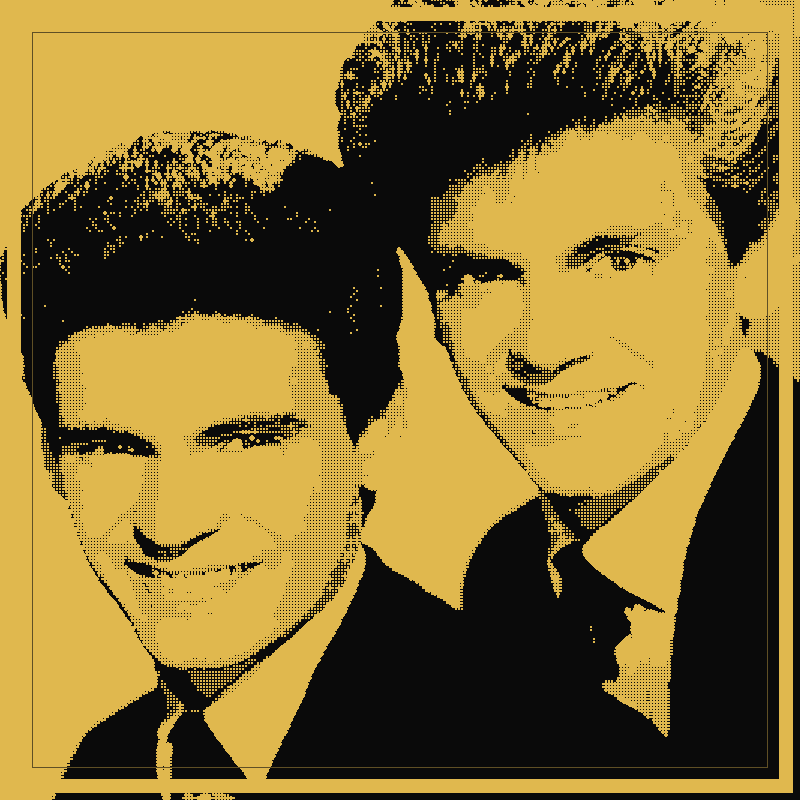
What the numbers say: Influence 96, Commercial 90, Identity 94. The Everly Brothers perfected close-harmony singing — Bye Bye Love, Wake Up Little Susie, All I Have to Do Is Dream. Their blend was the direct model for the Beatles, the Beach Boys, and Simon & Garfunkel. The harmony foundation of 60s pop and rock.
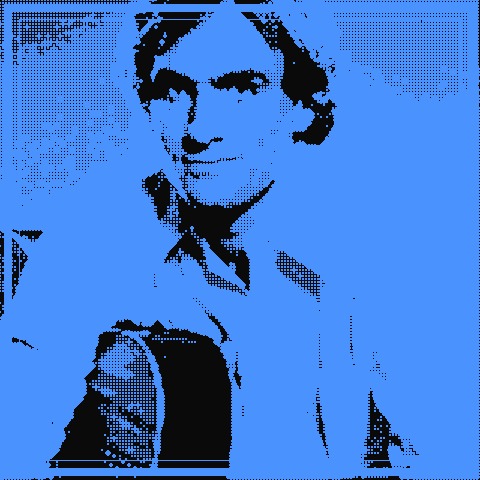
What the numbers say: Songwriting 92, Catalog 90, Commercial 90. James Taylor defined the singer-songwriter era — Fire and Rain, Sweet Baby James, You've Got a Friend. His warm, intimate, conversational style influenced countless artists and made the confessional acoustic record a commercial force. A foundational 70s voice.
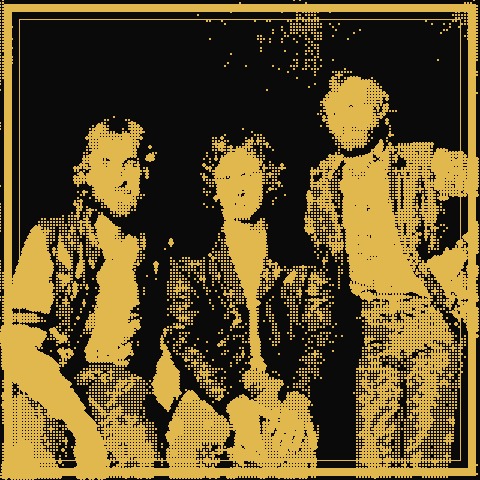
What the numbers say: Catalog 92, Versatility 90. Genesis pulled off a rare double life — Gabriel-era prog theater (The Lamb Lies Down on Broadway) then Collins-era pop dominance (Invisible Touch). Few bands reinvented themselves so completely and succeeded twice.

What the numbers say: Performance 96, Influence 94. The Allman Brothers founded Southern rock and perfected the improvisational jam — At Fillmore East is a landmark. Duane Allman's slide guitar and the twin-lead attack influenced generations of rock and jam bands.

What the numbers say: Influence 94, Identity 96. Judas Priest defined heavy metal's sound and image — the twin-guitar attack, Rob Halford's operatic scream, and the leather aesthetic became the genre template. British Steel and Painkiller are essential.

What the numbers say: Identity 98, Studio Craft 94. Tool fused progressive metal, art rock, and the cerebral into something singular — Lateralus and Ænima are immersive masterworks. Their perfectionism, visual art, and rhythmic complexity built a fanatically devoted following.
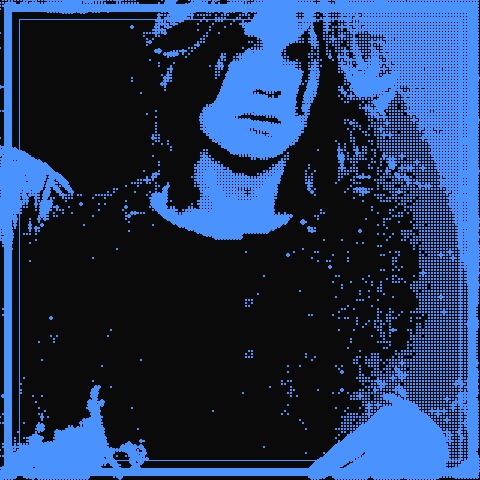
What the numbers say: Identity 98, Influence 94, Commercial 90. Ozzy Osbourne fronted Black Sabbath and then built a massive solo career — Crazy Train, Mr. Crowley, and Bark at the Moon. The Prince of Darkness became one of the most beloved figures in all of rock.
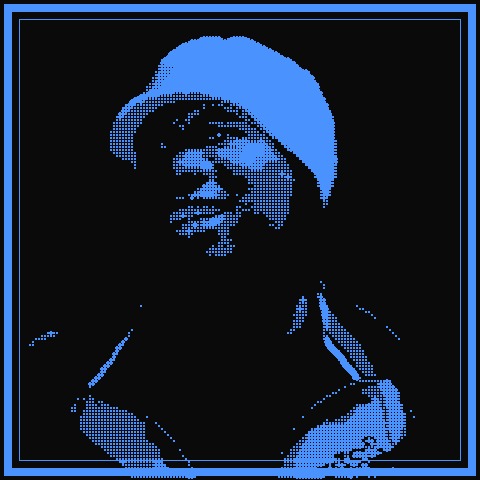
What the numbers say: Influence 94, Identity 96. KRS-One, through Boogie Down Productions and solo, fused conscious lyricism with battle-rap ferocity — Criminal Minded and Sound of da Police are landmarks. A foundational voice of socially aware hip hop.
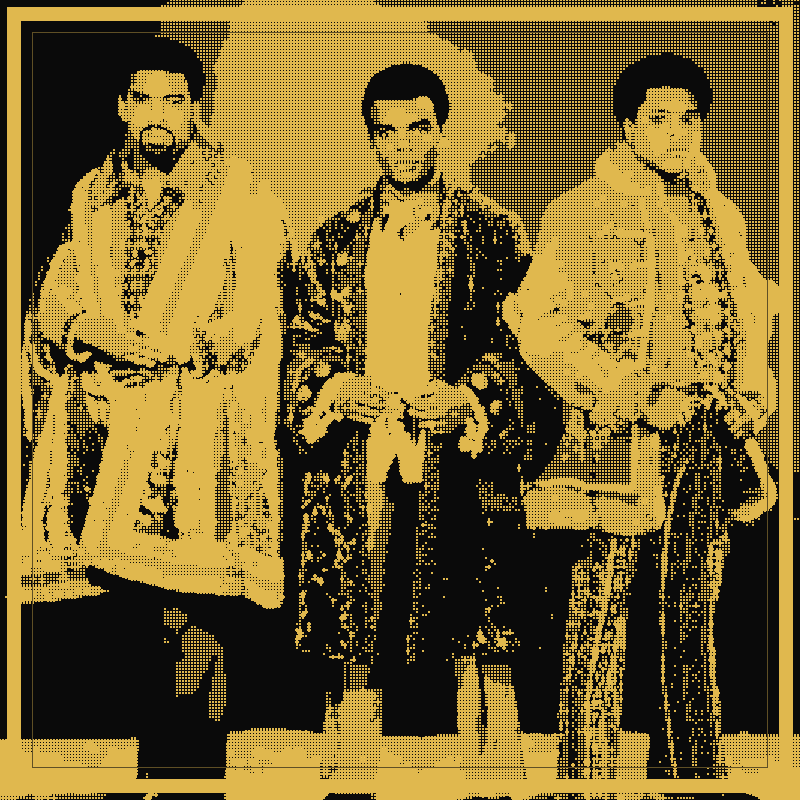
What the numbers say: Catalog 94, Influence 94, Versatility 90. The Isley Brothers are one of music's most enduring acts — six decades of hits from doo-wop to funk to quiet storm. Shout, That Lady, and Between the Sheets are sampled and beloved across generations.
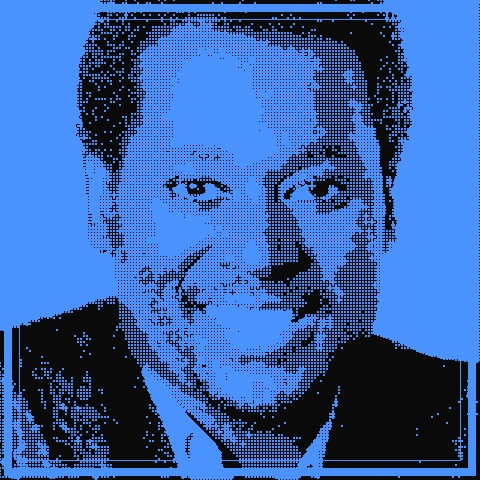
What the numbers say: Performance 98, Identity 96. Luther Vandross had one of the great voices in R&B — silky, controlled, emotionally rich. Never Too Much, A House Is Not a Home, and Here and Now define adult R&B. The gold standard for vocal soul.
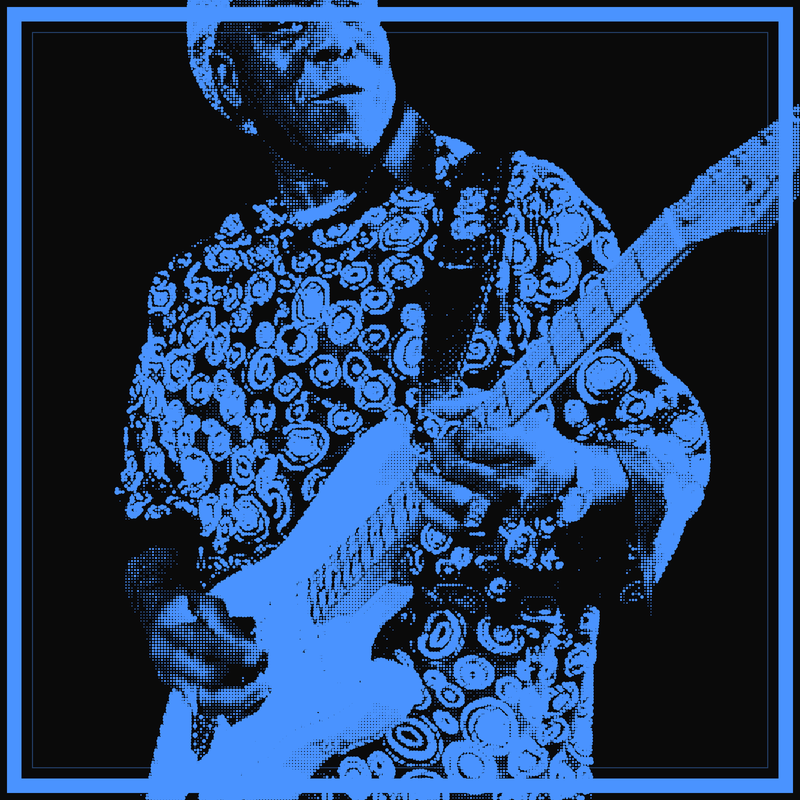
What the numbers say: Influence 96, Performance 96. Buddy Guy is Chicago blues royalty — his explosive, unpredictable guitar style directly shaped Hendrix, Clapton, and Stevie Ray Vaughan. Damn Right, I've Got the Blues sealed his late-career legend. A living monument.

What the numbers say: Commercial 98, Performance 94. Garth Brooks brought arena-rock energy and massive sales to country — one of the best-selling artists in any genre. Friends in Low Places, The Dance, and his explosive live shows made him a 90s phenomenon.

What the numbers say: Studio Craft 100, Identity 98, Influence 96. Aphex Twin is electronic music's mad genius — Selected Ambient Works and Richard D. James Album redefined IDM. His unmatched production, melodic depth, and unsettling creativity influenced two generations of electronic artists.

What the numbers say: Identity 98, Culture 94, Commercial 90. Selena Quintanilla was the Queen of Tejano — Como La Flor and Amor Prohibido made her a Latin music icon poised for English-language crossover. Her murder at 23 sealed her as an eternal cultural symbol.
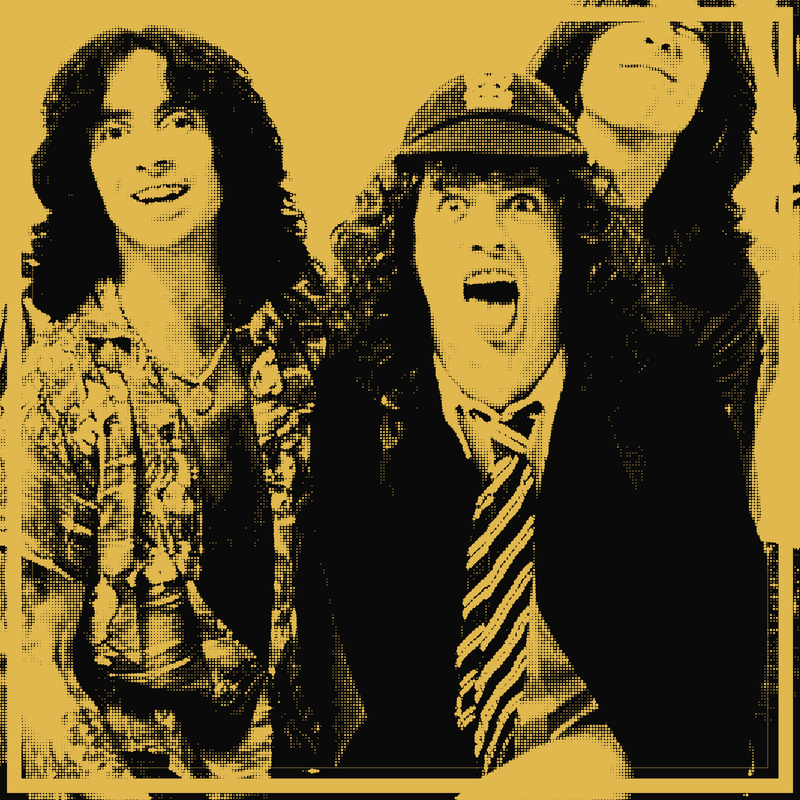
What the numbers say: Identity 100 — Angus Young in the schoolboy uniform doing the duck walk. You hear four notes and you know. Performance 98 — the most consistent, relentless live machine in rock history. Bon Scott died in 1980. They replaced him with Brian Johnson and made Back in Black, the greatest comeback album ever recorded. Versatility 55 is not a knock. It is just physics. They do one thing. That one thing is perfect. 300 million records sold. The riff never stopped.
Eye test: Thunderstruck comes on. Every single person in every single room knows what to do. That's the whole argument.

What the numbers say: Versatility 92 — punk, new wave, disco ("Heart of Glass"), reggae ("The Tide Is High"), and rap ("Rapture") all topped charts. Identity 94 — Debbie Harry is one of the iconic frontpeople of the era. Culture 90 — bridged CBGB's underground and global pop without losing either crowd.
Decade by decade: 1978–81 — out of New York's punk scene come a string of chart-toppers in wildly different genres. 1981 — "Rapture" becomes the first No. 1 hit to feature rapping, putting hip-hop on mainstream radio. A 90s reunion proves the formula never expired.
Eye test: Five genres, five hits, one band. The shape-shifting is the whole point.
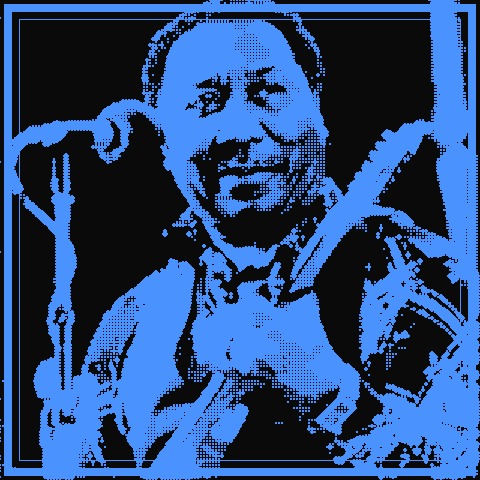
What the numbers say: Influence 99 — electrified Chicago blues is the missing link to The Rolling Stones (who took their name from his song), Cream, Zeppelin, and the British invasion entire. Identity 96 — the deepest, most commanding presence in postwar blues. Catalog 90 — "Hoochie Coochie Man," "Mannish Boy," "Got My Mojo Working," a canon that never quits.
Decade by decade: 1940s — recorded by Alan Lomax on a Mississippi plantation. 1948–58 — moves to Chicago, goes electric at Chess Records, and detonates the modern blues. 1960s–70s — the young British bands he inspired bring him to global audiences as the elder statesman he always was.
Eye test: Trace almost any guitar-rock band back far enough and you arrive at this man in a Chicago studio. The root system.
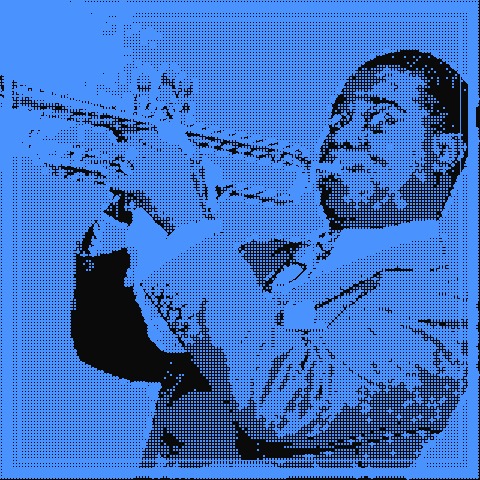
What the numbers say: Performance 100, Identity 100, Culture 100, Influence 100. West End Blues 1928 is the single most important jazz recording in history — the opening trumpet cadenza alone changed what improvisation meant. He defined what it meant to be an entertainer and a musician simultaneously at a time when Black performers in America had to fight for the right to perform in the venues where their music was played. What a Wonderful World reached number one in the UK decades after it was recorded and has never really left. The smile and the handkerchief and the gravel voice are some of the most recognizable images in American cultural history.
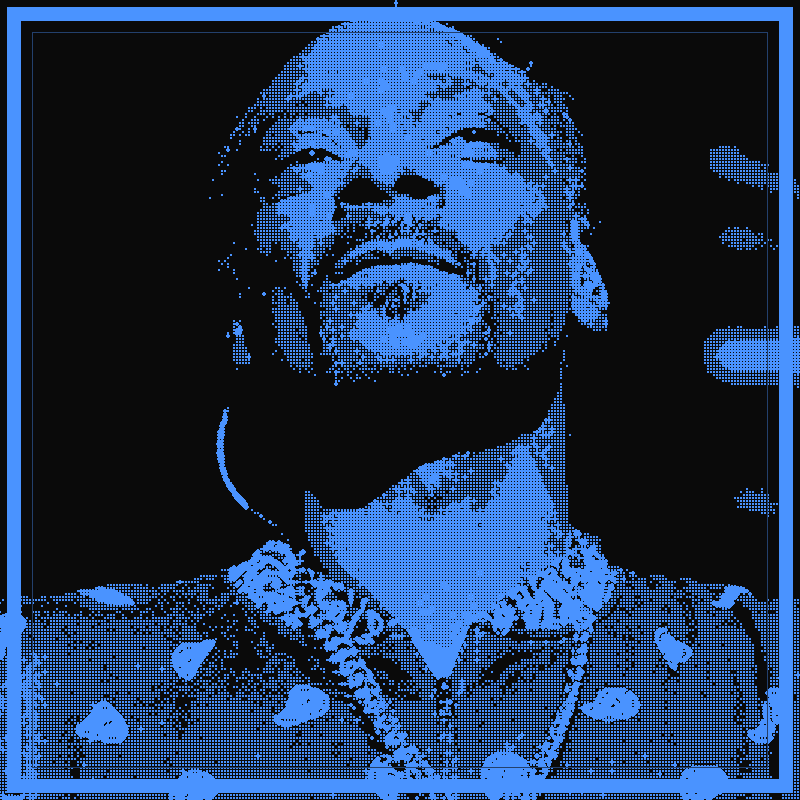
What the numbers say: Identity 100 — the braids, the voice, the drawl, the persona. You hear one syllable and you know. Doggystyle sold four million copies in its first week — a debut record at the time. Culture 96 — he has been a cultural touchstone across six separate decades. He reinvented himself as a gospel artist. He carried the Olympic torch. He is simultaneously the most street-credible and most universally beloved rapper alive. That combination should be impossible. It isn't because it's Snoop. Versatility 88 — he showed up in every genre and was never out of place.

What the numbers say: Commercial 100, Culture 100, Identity 100. 250 million records sold — one of the best-selling artists in history. Fourteen number one singles. Fenty Beauty became a billion-dollar company because she put it on her face. The Super Bowl halftime show 2023 — pregnant, eight years without a new album, still the most watched halftime performance in years. Songwriting 72 is honest — she didn't write most of what she recorded. The presence and the commercial instinct are what the card is about. Umbrella, We Found Love, Diamonds, Stay, Work. She owned a decade of pop music without owning the pen and that is a different kind of power.
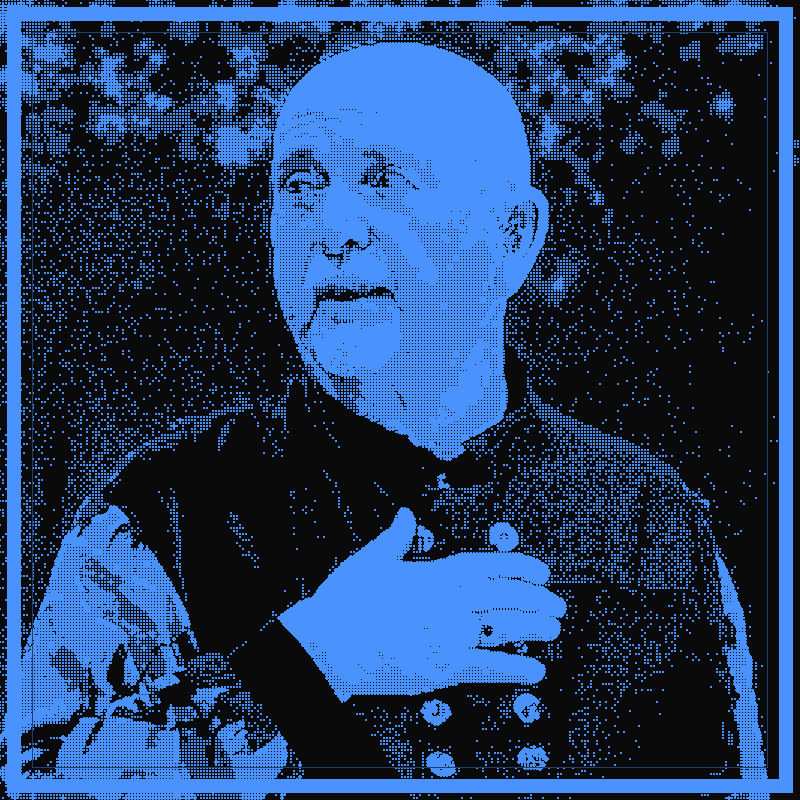
What the numbers say: Studio Craft 96, Versatility 94, Songwriting 93. Peter Gabriel pushed studio technology and world music into the mainstream. So is a masterpiece. Sledgehammer's video changed MTV. He built WOMAD and Real World, bringing global artists to Western ears. A restless innovator who never stopped experimenting.

What the numbers say: Identity 98, Influence 94, Performance 94. Erykah Badu defined neo-soul with Baduizm and never stopped evolving. Her voice, phrasing, and presence are completely her own. She influenced a generation of R&B and soul singers and remains one of the most singular artists of her era. Mama's Gun is a quiet classic.

What the numbers say: Identity 98, Influence 94, Culture 94. Patti Smith is the punk poet laureate. Horses is an all-time debut, a fusion of beat poetry and raw rock that helped birth punk. Commercial 74 is honest — she was never chasing hits. She was chasing truth. A foundational figure for women in rock and for the entire New York punk scene.

What the numbers say: Commercial 96, Peaks 94, Identity 94. Glenn Miller had the most popular band in America during the war years. In the Mood, Moonlight Serenade, and Chattanooga Choo Choo defined the sound of the early 1940s. His mysterious disappearance over the English Channel in 1944 sealed his myth.
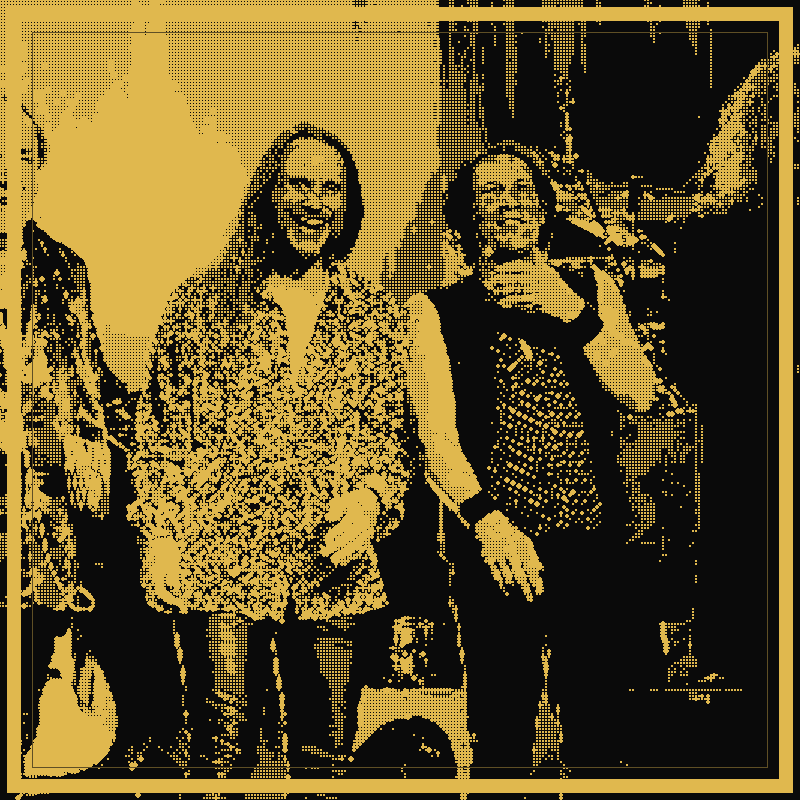
What the numbers say: Studio Craft 92, Influence 90. Yes were architects of symphonic progressive rock — Close to the Edge and Fragile are genre-defining. Their virtuosity, complex arrangements, and Roger Dean artwork set the template for prog's ambition.
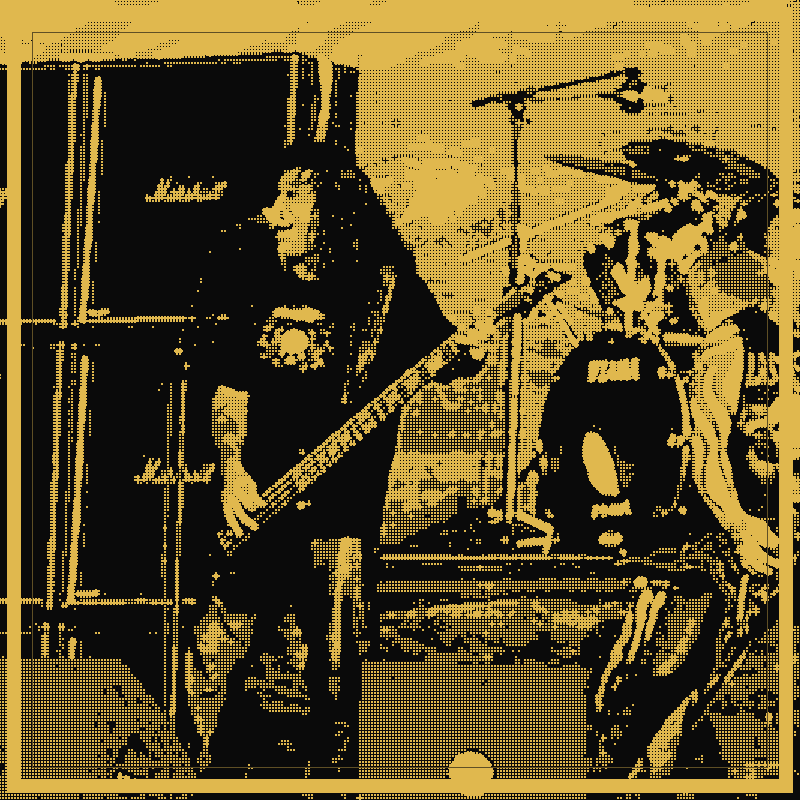
What the numbers say: Influence 96, Identity 98. Slayer were thrash metal at its most extreme — Reign in Blood is one of the most influential metal albums ever. Their speed, aggression, and refusal to soften shaped death metal, black metal, and beyond.
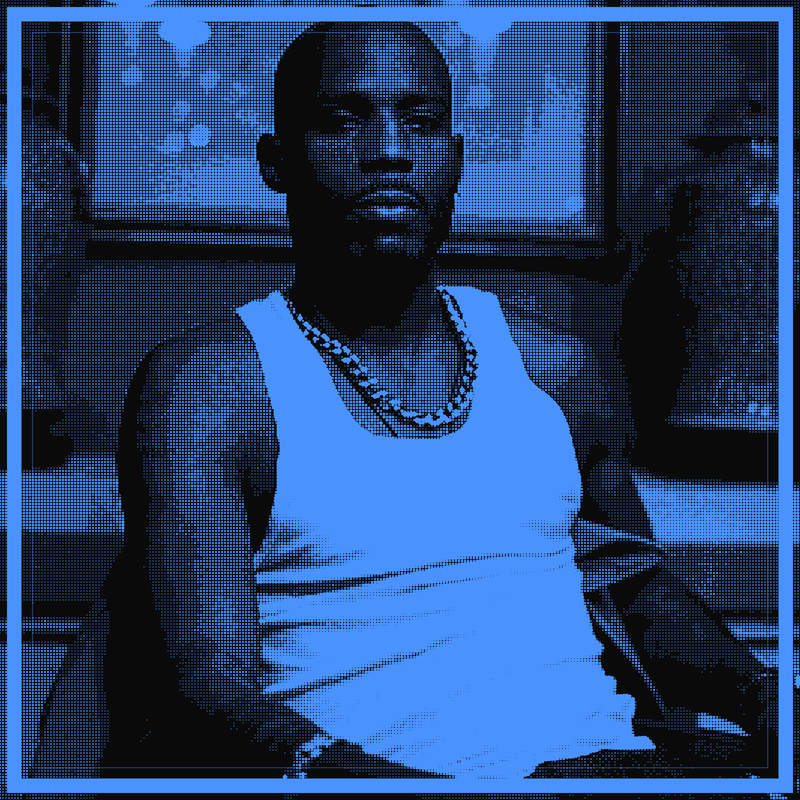
What the numbers say: Identity 98, Performance 94, Commercial 90. DMX brought unmatched raw emotion and intensity — five straight #1 albums, Ruff Ryders' Anthem, Party Up. His pain, faith, and ferocity made him one of rap's most visceral and beloved figures.
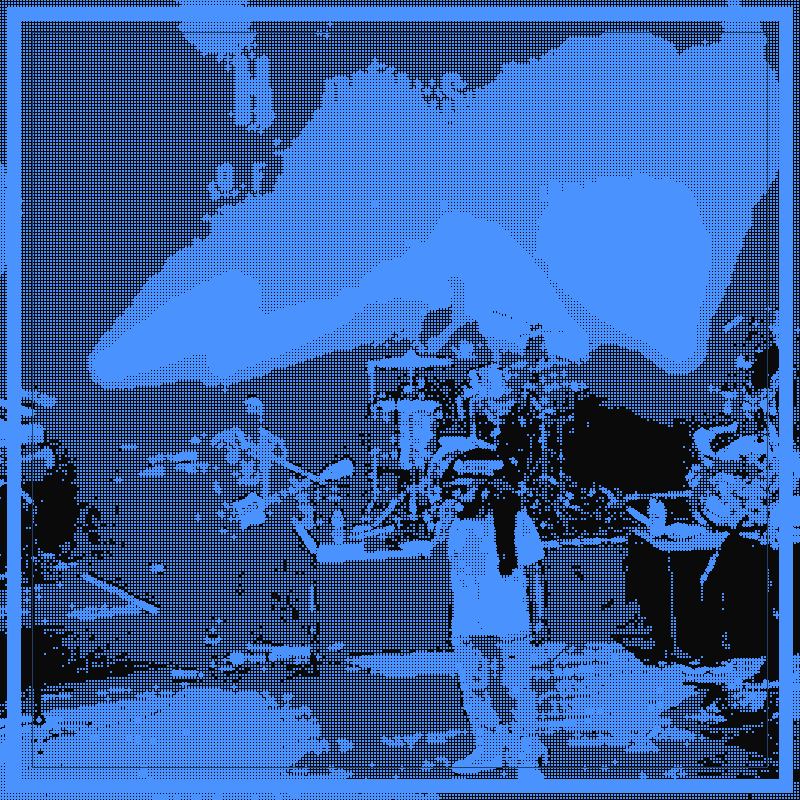
What the numbers say: Performance 96, Versatility 90, Identity 96. The Roots are hip hop's premier live band — Things Fall Apart is a classic, and Questlove's crew brought musicianship to a sample-based genre. Their late-night residency made them American institutions.

What the numbers say: Identity 100, Songwriting 96, Influence 96. MF DOOM was hip hop's masked supervillain — Madvillainy (with Madlib) is an underground holy text. His dense wordplay, character mythology, and outsider genius made him a cult legend whose influence keeps growing.
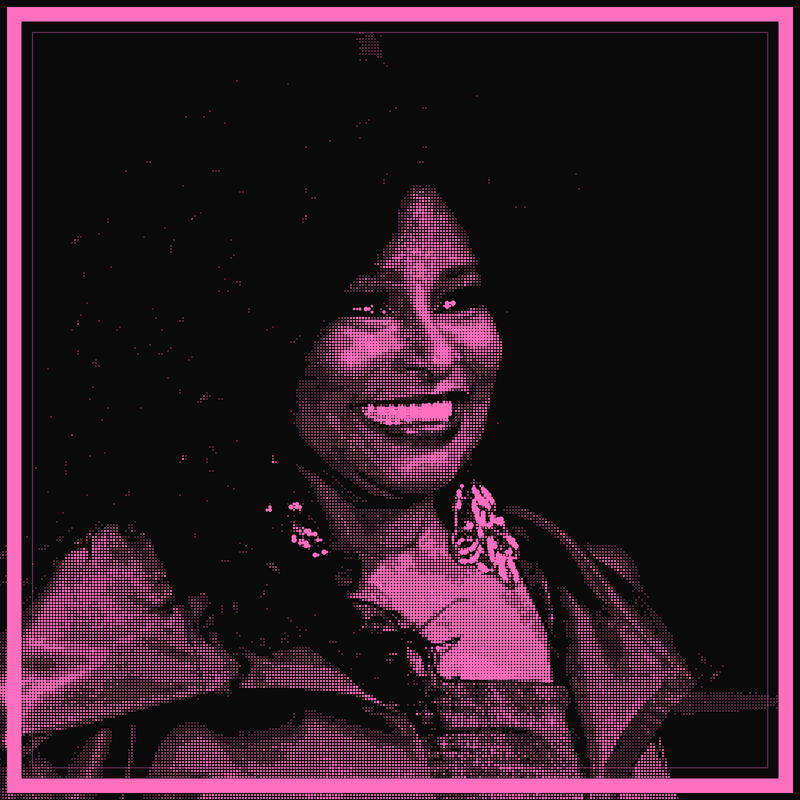
What the numbers say: Performance 98, Versatility 90, Identity 96. Chaka Khan, solo and with Rufus, is one of the most gifted singers ever — Ain't Nobody and I'm Every Woman are classics. Her range across funk, soul, jazz, and pop and her endless sampling cement her legend.
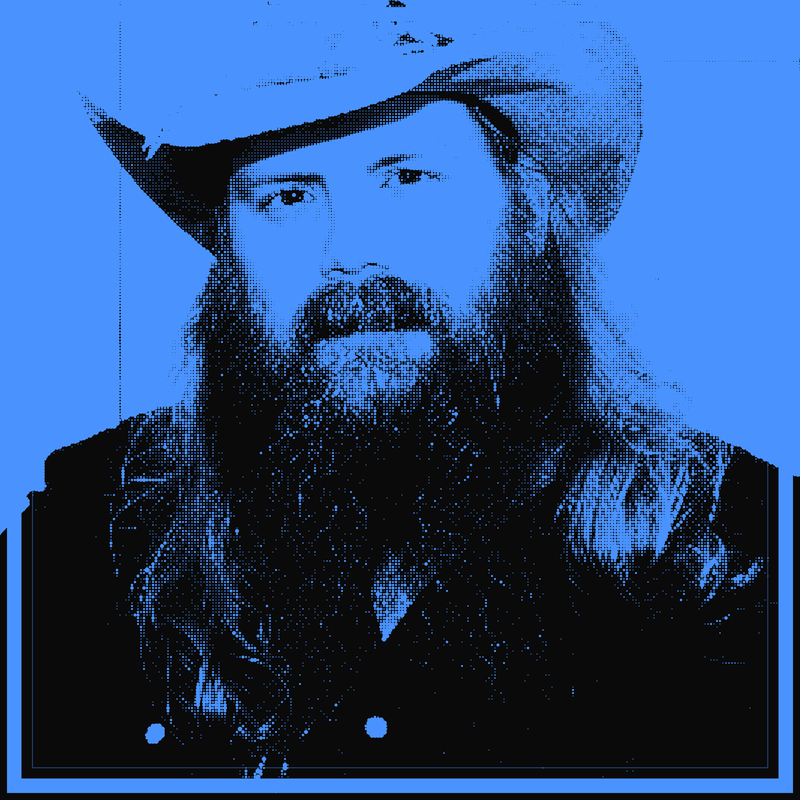
What the numbers say: Performance 96, Songwriting 92. Chris Stapleton revitalized country with raw soul and a powerhouse voice — Traveller and his Tennessee Whiskey cover made him country's most acclaimed modern star. A songwriter's songwriter with mass appeal.

What the numbers say: Studio Craft 96, Influence 94, Identity 96. Massive Attack pioneered trip-hop — Blue Lines and Mezzanine fused hip hop, dub, soul, and electronica into something cinematic and influential. Teardrop alone is immortal. The Bristol sound's defining act.

What the numbers say: Influence 100 — without Buddy Holly there are no Beatles, no Rolling Stones in their original form, no rock and roll songwriter tradition of artists writing their own material. He was the first rock artist to insist on writing his own songs. He played his own guitar parts in the studio. He overdubbed his own harmonies. He invented the template of the self-contained rock artist and he did it in Lubbock Texas in 1956 at eighteen years old. Catalog 62 is the brutal honest number — he died at 22. Eighteen months of commercial recordings. The influence is completely disproportionate to the catalog. That disproportionality is the card.

What the numbers say: Studio Craft 100, Identity 100. Homework, Discovery, Human After All, Random Access Memories — four albums, each one a completely different sonic world, all identifiably Daft Punk. Get Lucky is one of the ten most streamed songs in history. Influence 97 — every electronic producer, every EDM act, every producer working in house and electronic pop has learned from them. They dissolved in 2021 with a four-minute video and no explanation. The robots took off their helmets. Thomas Bangalter and Guy-Manuel de Homem-Christo walked away. Nobody knows why and they didn't say. That's the most Daft Punk ending possible.

What the numbers say: Culture 100, Influence 100, Identity 100. Straight Outta Compton had no radio play, no MTV rotation, no label support — and went platinum on word of mouth alone. The FBI sent Priority Records a letter saying F*** tha Police was dangerous. They were right. It was. Gangsta rap did not exist before this album. It existed completely after. The group lasted two albums as a unit. Ice Cube left. Eazy-E died. Dr. Dre built an empire from the ashes. Catalog 70 is the honest number for two albums and a short run. What those two albums did cannot be measured in catalog size.
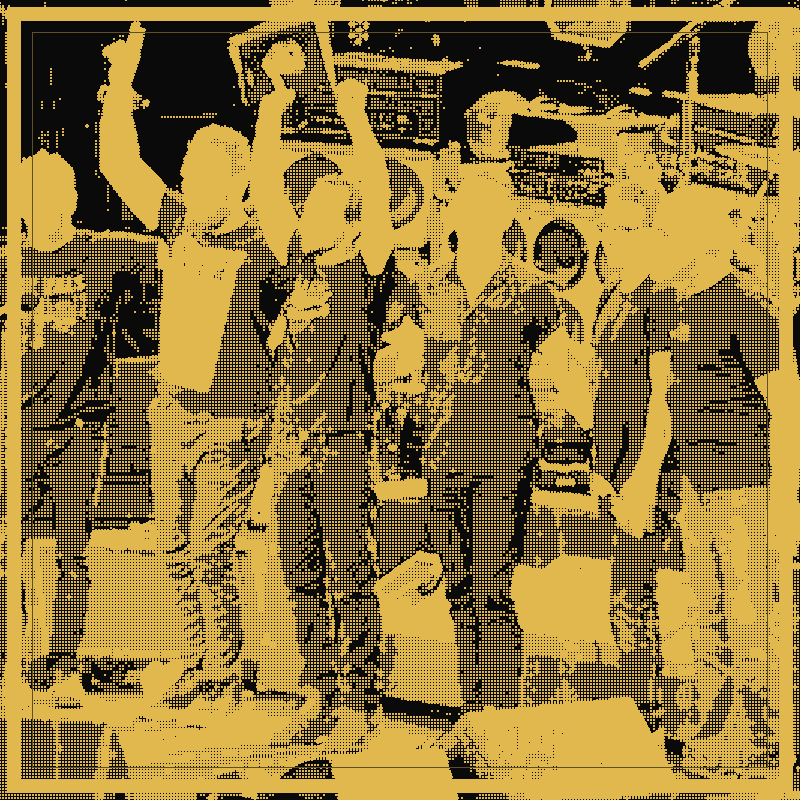
What the numbers say: Performance 97 — Eddie Vedder is one of the greatest live front men in rock history. Ten sold 13 million copies in the US alone. Vs sold 950,000 copies in its first week — a record at the time. They fought Ticketmaster in 1994 on principle and lost the business argument and didn't care. No 100s on this card, no reds either. The shape is sustained competence across thirty years. That is not a small thing in a genre that killed most of its founders.
Eye test: Black. Jeremy. Alive. Even Flow. All on one album. All perfect. Ten is one of the ten best debut albums in rock history.
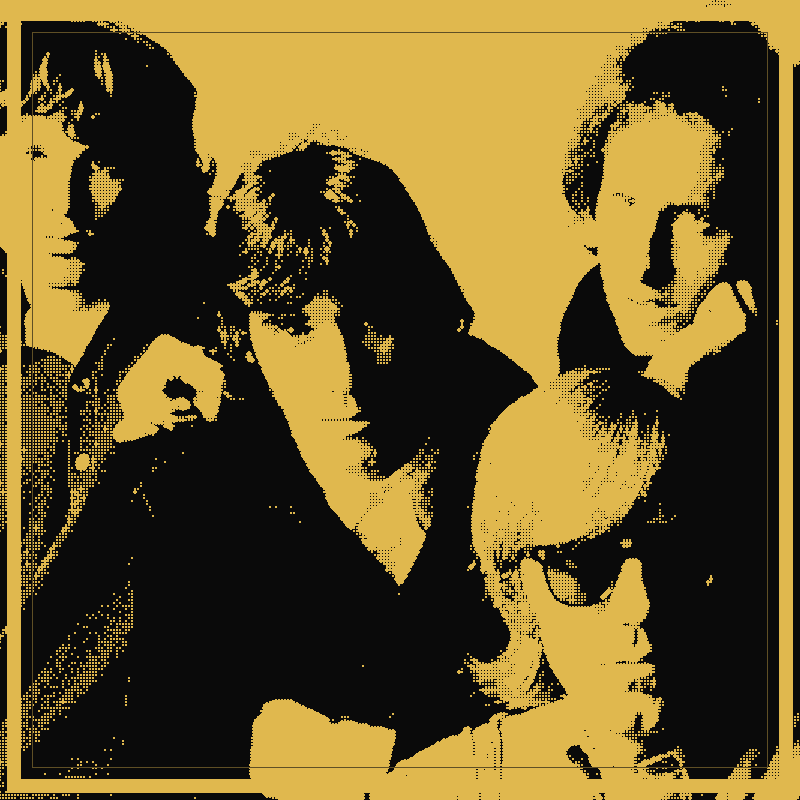
What the numbers say: Identity 100 — Morrison's face is one of the five most reproduced images in rock history. The black and white photo. The leather pants. The poetry. You know it instantly. Culture 97 — they defined the dark side of the Summer of Love. Light My Fire, People Are Strange, Riders on the Storm, The End. Catalog 75 is honest — six albums in four years, then Morrison died and it was over. What they made in that window was dense and strange and completely their own. Versatility 65 — they did one thing. It was dark, literary, keyboard-driven psych rock. Nobody else did it the same way.

What the numbers say: Influence 100, Songwriting 95, Studio Craft 94. Le Freak remains the best-selling Atlantic Records single ever. Good Times became the most sampled song in hip-hop history — Rapper's Delight, Another One Bites the Dust, all roads trace back to that bassline. Then Rodgers pivoted to production: Let's Dance for Bowie, Like a Virgin for Madonna, Original Sin for INXS. The weakness is Peaks 72 — Chic's chart run was intense but brief before the disco backlash buried them. The strength is that Rodgers survived it and kept building. Culture 92 reflects the real legacy: he didn't just play funk, he gave other artists the architecture to become icons.

What the numbers say: Identity 100 — the meat dress alone. The egg at the Grammys. Poker Face. Telephone. The visual language she built around her music is one of the most distinct in pop history. Performance 97 — she is a trained pianist and one of the best pure singers in pop. Shallow proved that to everyone who only knew the dance music. Culture 96 — Born This Way was a generation-defining anthem for LGBTQ youth at a moment when that mattered enormously. Versatility 91 — dance pop to jazz standards to country-inflected Oscar-winning ballads. The range is real and she wins in every lane.
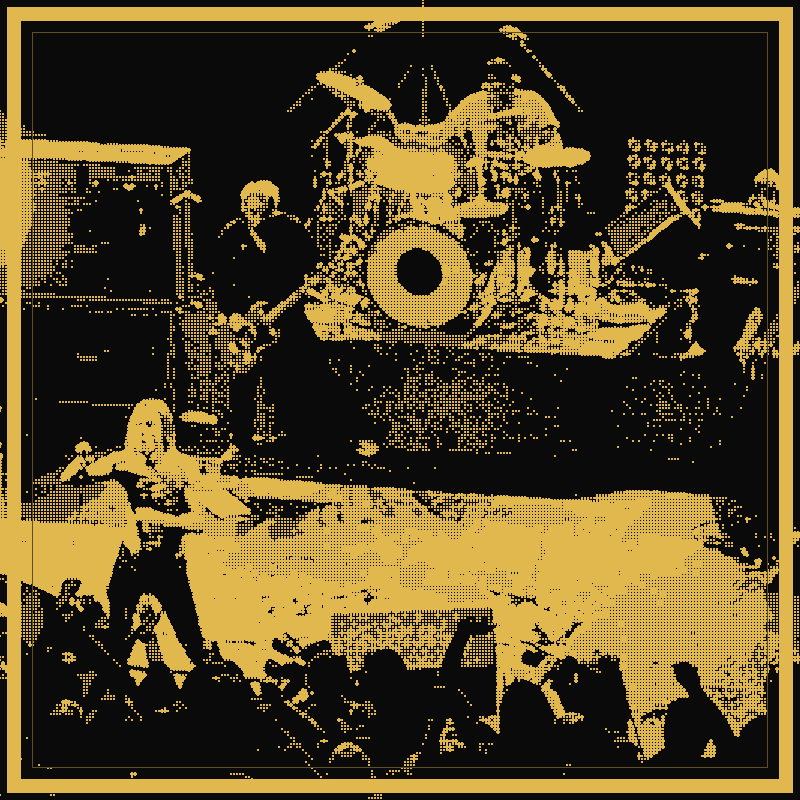
What the numbers say: Influence 100, Identity 98, Culture 92. The Stooges invented punk rock years before the Ramones or the Pistols. Fun House and Raw Power are primal, violent, essential. Commercial 62 and Catalog 78 are honest — they made a handful of records and barely sold any. But Influence 100 is the only number that matters here. Without the Stooges there is no punk.
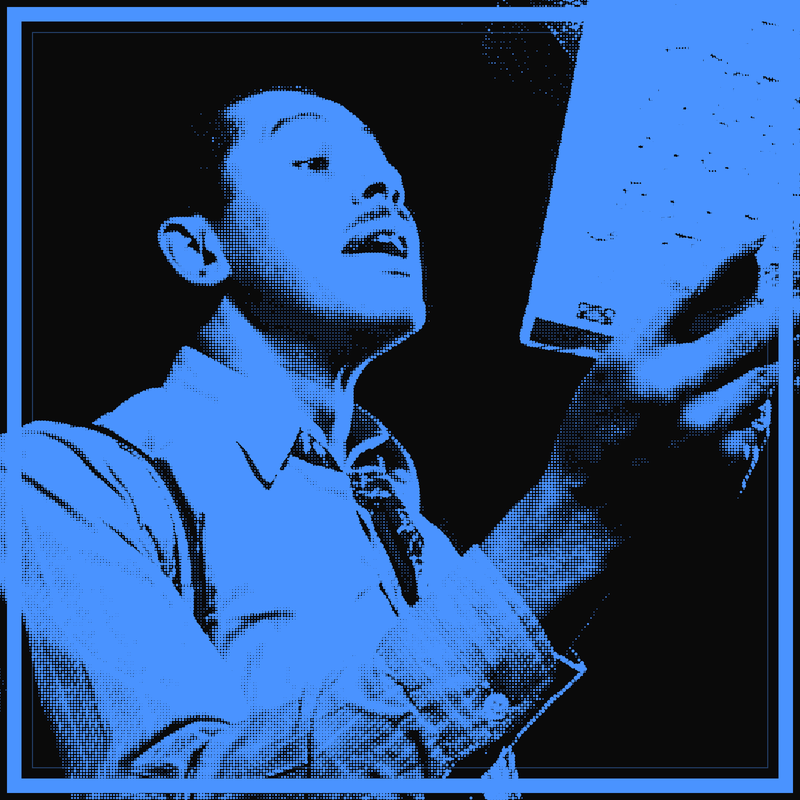
What the numbers say: Performance 98, Identity 98, Versatility 90. Cab Calloway was the ultimate showman — bandleader, scat singer, dancer, entertainer. Minnie the Moocher and his hi-de-ho call-and-response electrified the Cotton Club. His energetic, theatrical style prefigured everything from James Brown to hip hop performance.
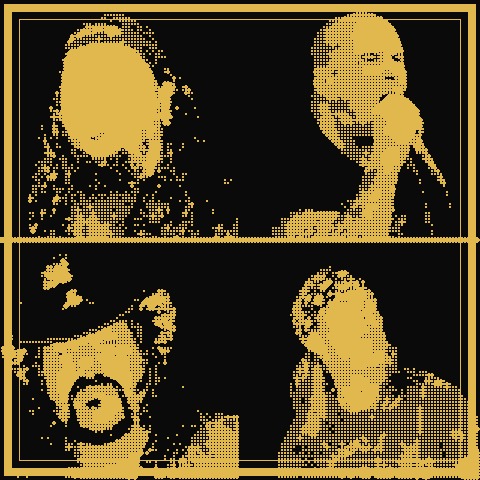
What the numbers say: Influence 94, Identity 96. Pantera invented groove metal and were the heaviest mainstream band of the 90s — Vulgar Display of Power and Far Beyond Driven are landmarks. Dimebag Darrell is one of metal's most worshipped guitarists.
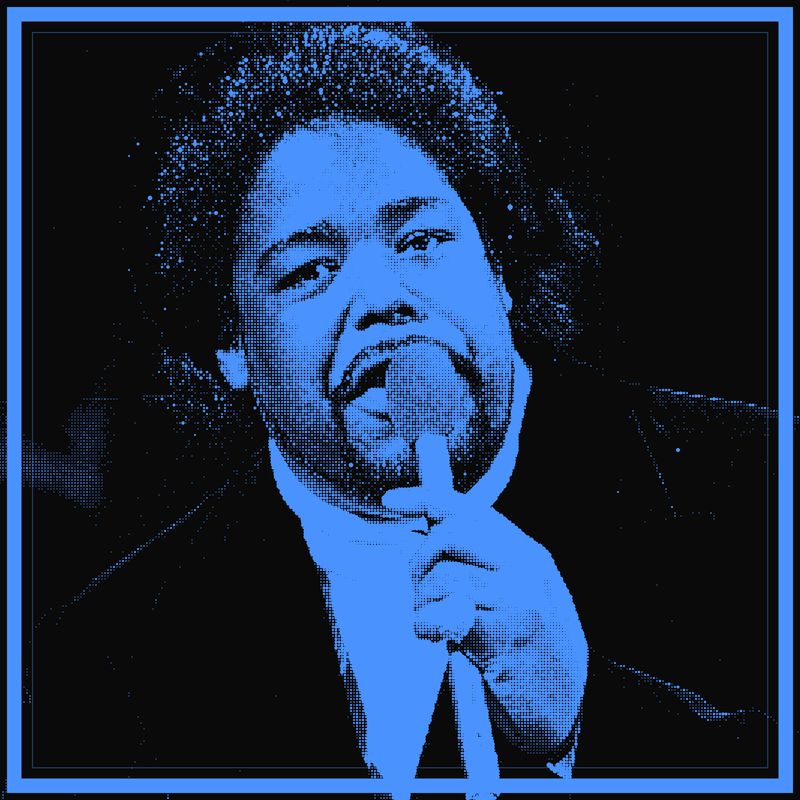
What the numbers say: Identity 98, Performance 92. Barry White's bottomless bass-baritone and lush orchestral arrangements defined romantic soul — Can't Get Enough of Your Love, Babe and his Love Unlimited Orchestra are immortal. The sound of seduction itself.
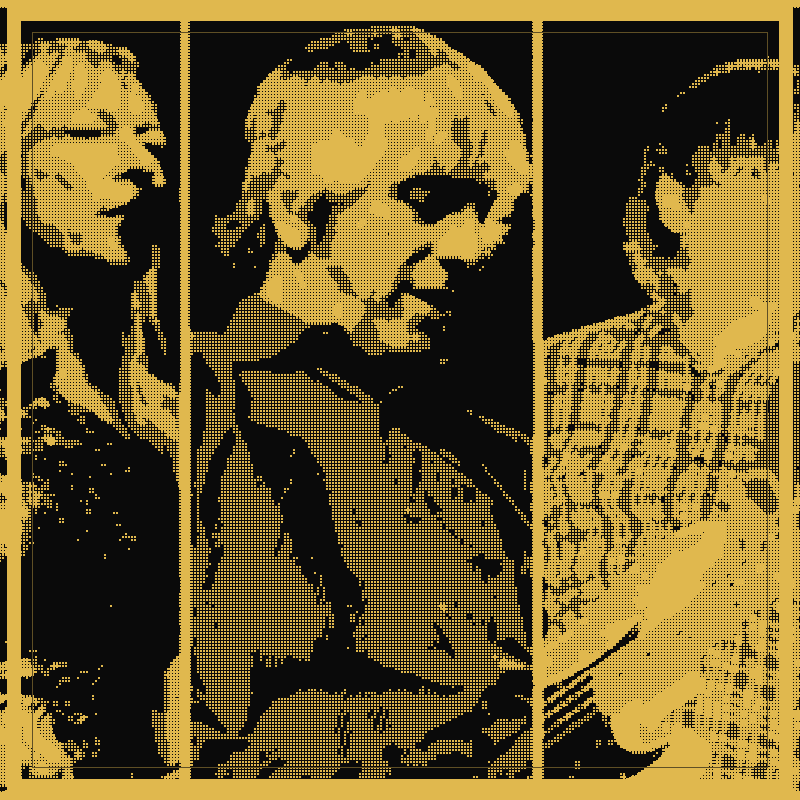
What the numbers say: Influence 96, Identity 96. Sonic Youth fused noise, punk, and the avant-garde — Daydream Nation is an alt-rock landmark. Their experimental guitar tunings and indie ethos influenced everyone from Nirvana to the entire 90s underground.
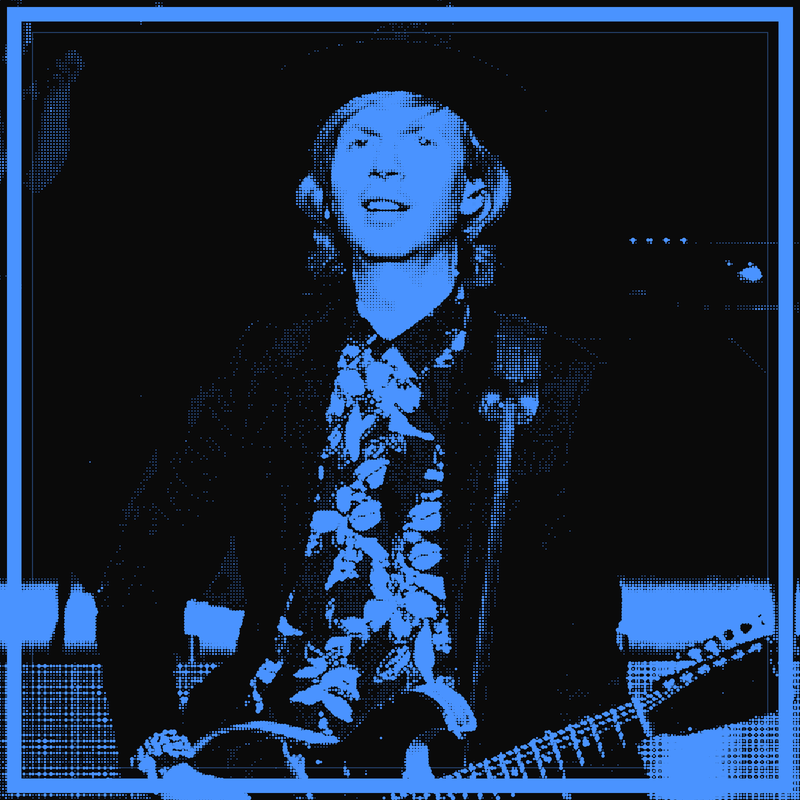
What the numbers say: Versatility 96 — folk, hip-hop, funk, heartbreak balladry, electronic; almost no two Beck albums share a genre. Studio Craft 94 / Songwriting 92 — "Odelay" is a sampladelic landmark and "Sea Change" is a devastating breakup record from the same artist. Influence 86 — the template for the genre-agnostic 21st-century auteur.
Decade by decade: 1994 — "Loser" makes him the accidental voice of slacker culture. 1996 — "Odelay" with the Dust Brothers redraws what a pop record can sample. 2000s onward — restless reinvention, eventually an Album of the Year Grammy for "Morning Phase."
Eye test: Name the Beck "sound." You can't, and that's the achievement.

What the numbers say: Commercial 94 — As It Was was a global No. 1 colossus. Culture 90 — a fashion-and-gender-norm-bending icon. Peaks 92 — Harry's House won Album of the Year. Performance 88 — a magnetic, classicist showman who sells out stadiums solo.
The run: 2010–15 — One Direction. 2017–22 — three increasingly acclaimed solo albums, from soft-rock revival to the chart-eating Harry's House. He pulled off the cleanest boy-band-to-respected-artist transition since Timberlake.
Eye test: Megastar reach and critical respect at once. The crossover worked completely.
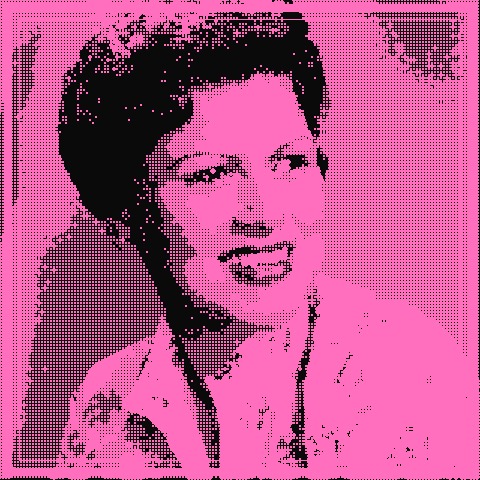
What the numbers say: Performance 99 — one of the half-dozen greatest voices ever put to tape, that controlled break in the middle of a note that nobody has matched. Songwriting 72 — she didn't write, she interpreted, and that's the only number holding the card back. Influence 96 — Loretta, Reba, k.d. lang, every woman who ever stood at a country mic owes her the blueprint. Identity 96 — "Crazy," "Walkin' After Midnight," "I Fall to Pieces." Three songs that never leave the radio.
Decade by decade: 1957 — "Walkin' After Midnight" wins Arthur Godfrey's talent show and crosses pop and country at once. 1961 — "Crazy," written by a young Willie Nelson, becomes the most-played jukebox single in history. 1963 — dead at 30 in a Tennessee plane crash. The catalog stops cold and the legend starts.
Eye test: Put on "Crazy." The conversation about female country vocals starts and ends there.
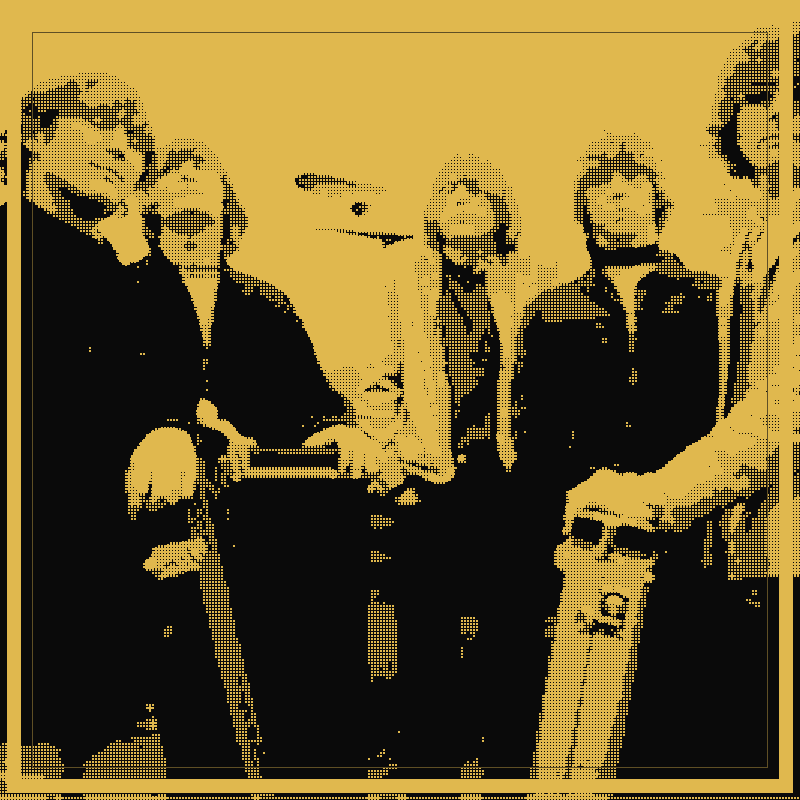
What the numbers say: Influence 95 — that 12-string Rickenbacker jangle is the seed of R.E.M., Tom Petty, and an entire branch of guitar music. Versatility 88 — invented folk-rock ("Mr. Tambourine Man"), pioneered psychedelia ("Eight Miles High"), then founded country-rock ("Sweetheart of the Rodeo"). Studio Craft 90 — Roger McGuinn's chiming sound is an instrument unto itself.
Decade by decade: 1965 — "Mr. Tambourine Man" fuses Dylan and The Beatles and a genre is born. 1966–68 — restlessly push into psychedelia and then country, alienating fans and seeding the future each time. Gram Parsons passes through and changes American music on the way out.
Eye test: Three genres trace their first chapter to this band. Influence far outruns the fame.
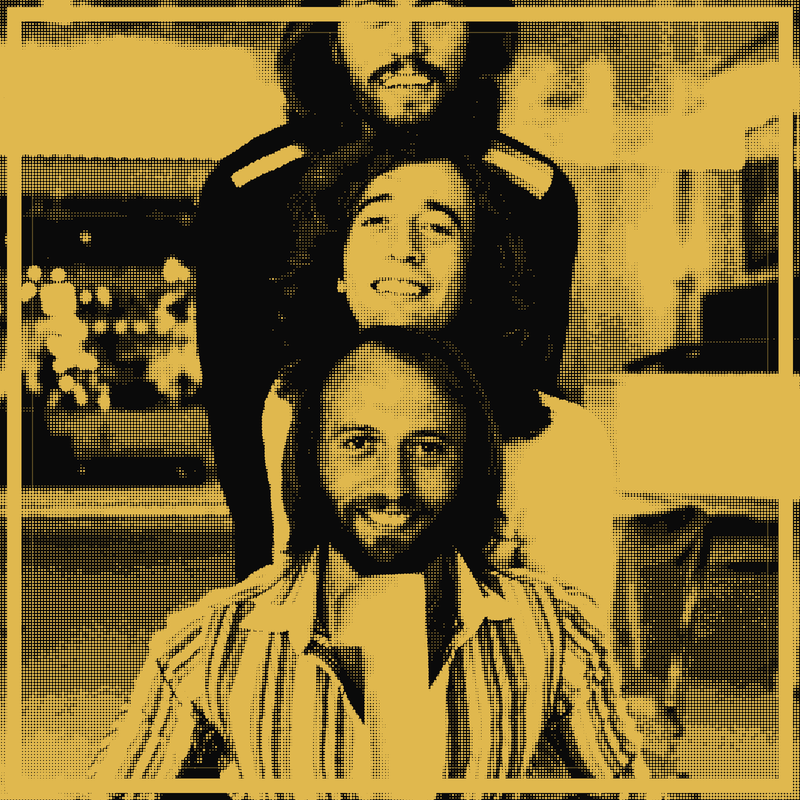
What the numbers say: Commercial 95, Peaks 90 — the disco era was the biggest commercial moment in pop history and the Bee Gees were its architects. But this is not a one-album card. They had a Top 20 hit in 1967 (Massachusetts), another in 1971 (How Can You Mend a Broken Heart), the Saturday Night Fever peak in 1977– 1978, and then wrote Emotion for Samantha Sang, Grease for Frankie Valli, Guilty for Barbra Streisand, and Islands in the Stream for Dolly Parton and Kenny Rogers. Songwriting 92 because their output across genres — pop, R&B, disco, ballad — was sustained and consistent over 30 years. Influence 82 is the only honest restraint: disco's cultural rehabilitation took decades, and their specific sound has fewer direct descendants than their commercial footprint would suggest.
Career arc: 1958–2003. RSO Records during peak years. Massachusetts (1967). Jive Talkin' (1975) — pivoted to disco. Saturday Night Fever (1977) — 40 million sold. Six consecutive #1 singles 1977–1979. Andy Gibb, their brother, died 1988. Robin Gibb died 2012. Maurice Gibb died 2003. Barry Gibb the last surviving brother. Rock and Roll Hall of Fame 1997.
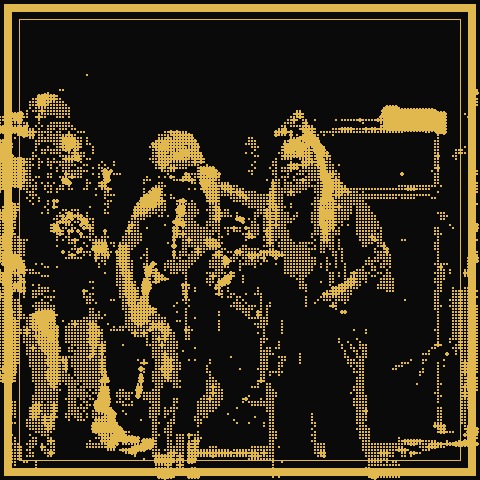
What the numbers say: Identity 100, Culture 97, Influence 100. Parliament was the pop vehicle, Funkadelic was the psychedelic rock vehicle — same musicians, two labels, one cosmic vision. One Nation Under a Groove (1978), Flash Light, Give Up the Funk, Tear the Roof Off the Sucker — these are foundational funk texts. But the influence runs wider than the hits. Dr. Dre built G-funk by slowing down P-Funk samples. Prince cited them as primary. Public Enemy, De La Soul, Digital Underground, Snoop Dogg — the most sampled catalog in hip-hop history belongs to George Clinton. Commercial 72 reflects a band that dominated the Black music charts without fully crossing to mainstream pop. That didn't slow the legacy down for a single day.
Career arc: 1968–present. Two simultaneous outfits: Parliament (Casablanca Records, pop) and Funkadelic (Westbound, psychedelic). Maggot Brain (1971). Mothership Connection (1975). One Nation Under a Groove (1978). 30+ members across both bands at peak. Rock and Roll Hall of Fame 1997. George Clinton still touring at 83.
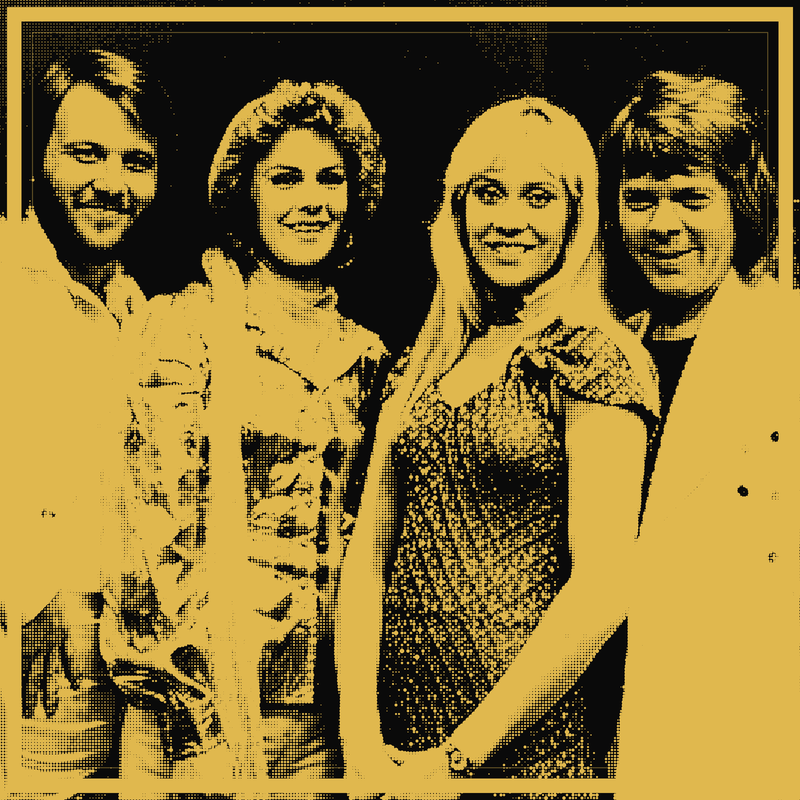
What the numbers say: Songwriting 96 — Dancing Queen, Waterloo, Mamma Mia, The Winner Takes It All, Fernando, Gimme Gimme Gimme. That is a catalog of songs so well constructed they became theater. 385 million records sold. The Winner Takes It All is one of the great pop songs about divorce ever written — specific, honest, melodically perfect. They broke up in 1982. Mamma Mia the musical opened in 1999. The Mamma Mia movie made $600 million. Voyage in 2021 debuted at number one in multiple countries — their first album in 40 years. The songs never needed the band to be present. That is the whole trick.

What the numbers say: Versatility 92 — pop, rap, R&B, and disco-funk all land for her. Commercial 92 — Say So, Kiss Me More, Paint the Town Red, a string of chart-toppers. Studio Craft 90 — a sharp ear for production and an instinct for what spreads online.
The run: 2018 — the Mooo! meme. 2019–21 — Hot Pink and Planet Her turn the internet curiosity into a genuine pop powerhouse. 2023 — Scarlet leans harder into rap, showing she won't stay in one box.
Eye test: One of the most naturally versatile pop stars of her generation. Built for the algorithm and bigger than it.
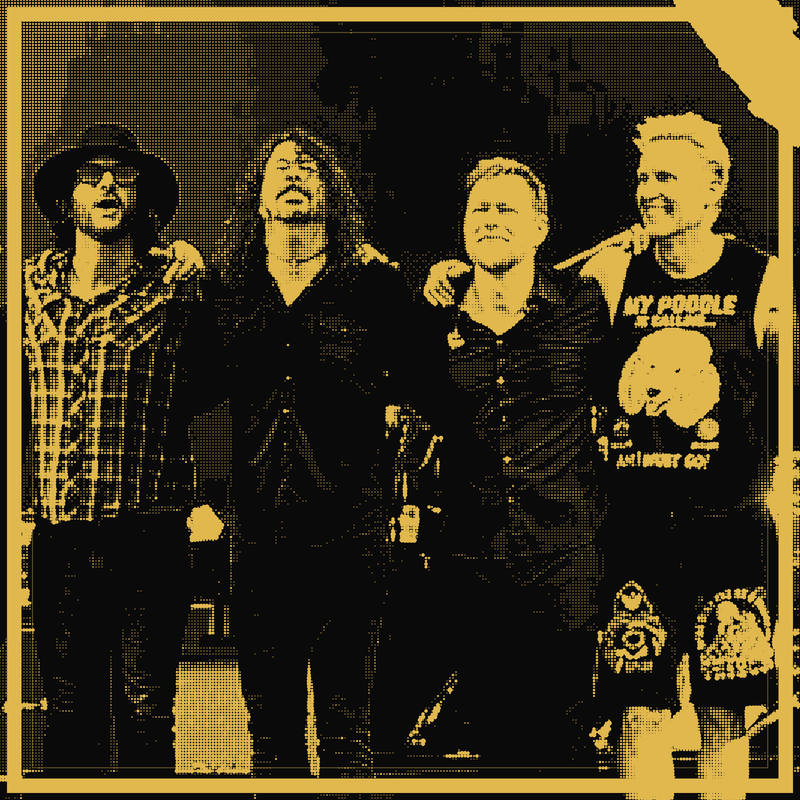
What the numbers say: The origin story is inseparable from the card. Dave Grohl was the drummer of Nirvana. He recorded the first Foo Fighters album alone in a studio in two weeks as a way to survive. It went platinum. Everlong is one of the greatest rock songs of the 1990s. Best of You was a stadium anthem before they played it in a stadium. Ten studio albums, consistent quality, consistent touring, thirty years without stopping. Dave Grohl is the most likable man in rock music and that is not nothing — it kept rock music on television, on radio, in conversations for thirty years when everything else was moving on.

What the numbers say: Versatility 94, Performance 92, Identity 95. Hips Don't Lie is one of the best-selling singles of all time. Whenever, Wherever broke her into the English-language market without abandoning the Spanish one. The Super Bowl LIV halftime with J.Lo was the most-watched musical performance in American television history at the time. Commercial 88 reflects the global sales footprint — 80 million records worldwide. The weakness is Influence 75; she dominated her lane but didn't spawn a school of imitators the way reggaeton or K-pop did. The strength is longevity: three decades of relevance across two languages and multiple genre shifts.
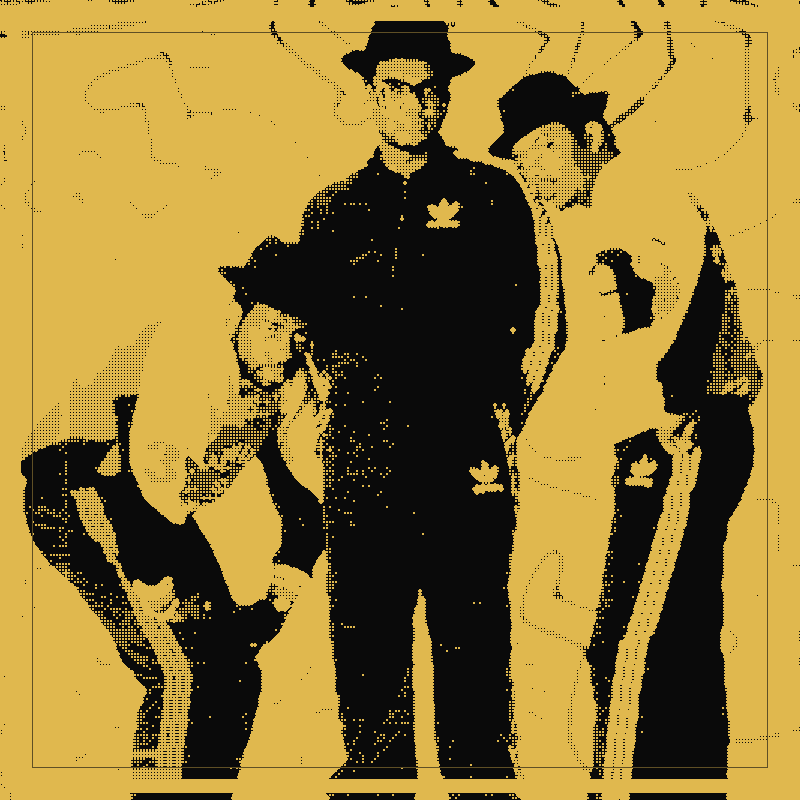
What the numbers say: Culture 100, Influence 100. Walk This Way with Aerosmith — 1986 — is the most important crossover record in music history. It did not just crack the wall between rock and hip hop. It removed the wall. First rap group on the cover of Rolling Stone. First rap group to go platinum. First rap group to perform at the Grammys. Every single one of those firsts is a 100-point culture card. Jam Master Jay was murdered in 2002. The catalog is short and the versatility is limited. What they did with the time and the tools they had changed everything permanently.

What the numbers say: Songwriting 92 — plainspoken, devastating, prolific writing. Commercial 94 — a self-titled No. 1 album and sold-out stadiums. Identity 90 — the anti-Nashville, do-it-himself authenticity is the whole brand. Catalog 88 — deep and fast.
The run: 2019–21 — DeAnn and self-released records build a grassroots army. 2022–23 — Something in the Orange and the self-titled album make him a stadium headliner. He scaled up without smoothing out.
Eye test: Authenticity that conquered the mainstream on its own terms. The realest big star in country.
What the numbers say: Peaks 97 / Commercial 95 — "End of the Road" held #1 for 13 weeks, "I'll Make Love to You" for 14, and "One Sweet Day" (with Mariah) for a then-record 16. Performance 96 because the harmony itself was the instrument. Versatility 76 and Songwriting 80 are the honest reds — they were interpreters of Babyface and Jam & Lewis material, living almost entirely in the slow-jam lane.
Eye test: When 90s R&B needed a voice, it was these four. Narrow lane, but nobody did it better.
What the numbers say: Influence 96, Catalog 88, Culture 92. Lead Belly was a walking archive of American folk, blues, and work songs. Goodnight Irene, Where Did You Sleep Last Night, Cotton Fields — he preserved and transformed a songbook that Dylan, the folk revival, and Nirvana all drew from. The bridge between the field holler and the modern song.
What the numbers say: Commercial 94, Identity 96, Versatility 90. Dean Martin was the embodiment of mid-century cool — singer, actor, comedian, Rat Pack centerpiece. That's Amore, Everybody Loves Somebody, and Volare were massive. His relaxed charm influenced generations of entertainers who wanted to look that effortless.

What the numbers say: Identity 92, Performance 92. Heart, led by Ann and Nancy Wilson, broke barriers for women in hard rock. Barracuda, Crazy on You, and Alone are classics across two eras. Ann Wilson is one of rock's greatest voices.

What the numbers say: Catalog 90, Commercial 92. Rod Stewart's raspy, soulful voice powered a 60-year career across rock, folk, disco, and standards. Maggie May, Every Picture Tells a Story, and Da Ya Think I'm Sexy span eras. One of the best-selling artists ever.
What the numbers say: Performance 92, Influence 90. Megadeth are one of the Big Four of thrash — Rust in Peace and Peace Sells are technical landmarks. Dave Mustaine's intricate, aggressive songwriting made them the most musically complex band in thrash.
What the numbers say: Influence 92, Songwriting 92. De La Soul redefined hip hop's possibilities — 3 Feet High and Rising and De La Soul Is Dead were sample-rich, witty, and boundary-breaking. They proved rap could be playful, eclectic, and deeply artful.
What the numbers say: Songwriting 92, Identity 92. Arcade Fire made indie rock grand and emotional — Funeral and The Suburbs (a Grammy Album of the Year) are landmarks. Their orchestral, anthemic style defined the 2000s indie explosion.
What the numbers say: Influence 94, Identity 96. The Strokes sparked the 2000s garage-rock revival — Is This It is a generational landmark. Their effortless cool, tight songwriting, and downtown New York mystique made them the most important rock band of their moment.
What the numbers say: Studio Craft 96, Identity 96. Tame Impala is Kevin Parker's one-man psychedelic project — Lonerism and Currents redefined modern psych-pop. His production genius and songwriting made him one of the most influential and imitated artists of the 2010s.

What the numbers say: Identity 94, Songwriting 90. Peter Tosh, an original Wailer alongside Marley, was reggae's militant conscience — Legalize It and Equal Rights are uncompromising protest landmarks. A foundational reggae figure with a fierce political voice.

What the numbers say: Influence 92, Identity 94. Jimmy Cliff brought reggae to the world — The Harder They Come film and soundtrack introduced global audiences to the genre. Many Rivers to Cross and You Can Get It If You Really Want are immortal. A reggae ambassador.

What the numbers say: Commercial 94 — Levitating, Don't Start Now, and New Rules are global juggernauts. Studio Craft 90 / Peaks 92 — Future Nostalgia is a near-perfect modern pop record. Identity 90 — a polished, retro-futurist star with total visual command.
The run: 2017 — New Rules breaks her out. 2020 — Future Nostalgia revives disco-pop and dominates the pandemic year. 2024 — Radical Optimism keeps her at the top tier. One of the most reliable hitmakers of her generation.
Eye test: Pure pop-star execution. Few do the modern dance-pop machine this cleanly.
What the numbers say: Two commercial peaks a decade apart — that is the whole argument for this card. Dookie 1994 — Basket Case, When I Come Around, Longview. Instantly massive. Then they survived the backlash for being too popular for the punk crowd and came back with American Idiot in 2004 and made a rock opera about George W. Bush that sold 14 million copies. Billie Joe Armstrong wrote a Broadway musical out of it. Nobody else in their lane did that. No 100s on this card. No reds either. Two big peaks and a long sustained career. That earns the spot.
Eye test: Basket Case. You know every word. So does everyone else who was between 12 and 25 in 1994.

What the numbers say: Control and Rhythm Nation 1814 are two of the greatest pop albums of the 1980s — back to back, with Jimmy Jam and Terry Lewis, releasing seven top five singles between them. 185 million records sold. She is the first artist to have number one singles in four consecutive decades. The Super Bowl 2004 wardrobe malfunction defined a cultural moment in ways that were entirely unfair to her and she survived it. The dance choreography she developed with her brother's influence and her own vision is the template every female pop performer has worked from since.
What the numbers say: Identity 100 — the fist logo, the politics, the fury. Nobody else made music that angry and that precise at the same time. Culture 97, Influence 97 — they invented rap metal and did it so well that every band that came after them in that lane looked like a copy. Tom Morello is one of ten greatest guitarists in rock history. Zack de la Rocha is one of the most technically ferocious rappers in history who happens to be in a rock band. Three studio albums as a unit. Catalog 72 is the honest number. Three albums with that much fire in them is enough to change a generation. It did.

What the numbers say: Studio Craft 98 — he produces everything himself and the production is the argument. IGOR and Flower Boy are two of the most sonically rich albums in hip hop history. Identity 100 — the Golf Wang brand, the bucket hat, the primary colors, the alter egos. He built a complete world around himself from the beginning. The Ohtani profile in hip hop — writes, produces, performs, directs, designs. All at elite level. Commercial 74 is honest — he has never been a top 40 artist and doesn't try to be. IGOR went number one because the music was undeniable not because it chased radio. The ceiling on this card is still being built.
What the numbers say: Songwriting 97 — Suite: Judy Blue Eyes, Teach Your Children, Our House, Woodstock, Ohio. Neil Young wrote Ohio in response to the National Guard shooting students at Kent State University. Released four days later. That is protest music doing its actual job in real time. Déjà Vu is one of the ten greatest albums of the 1970s. Catalog 72 is the honest number — they never stayed together long enough to build a sustained body of work. Four solo careers. Three band configurations. The moments they had together were extraordinary. There just weren't enough of them.
What the numbers say: Performance 97 — Chris Cornell's four-octave voice was the best pure rock instrument of his generation. Nobody in grunge could match it technically. Superunknown debuted at number one in 1994 — nine minutes long, tuned to dropped D, completely uncommercial by any logic, somehow massive. Black Hole Sun has one of the most disorienting and effective music videos ever made. Cornell died in 2017. He was 52. The voice was one of the irreplaceable ones and now it's gone and the recordings are what's left and the recordings are extraordinary.
What the numbers say: Songwriting 90 / Identity 90 — the wordplay was acrobatic and the persona was unmistakable from the first ad-lib. Commercial 90 across "Word of Mouf," "Chicken-n-Beer," and "Release Therapy." Versatility 86 is the acting — a genuine second lane. No reds here: no glaring weakness, just a ceiling below the genre's titans on Influence.
Eye test: One of the most purely entertaining MCs of his era. You always knew exactly who was on the track.
What the numbers say: Identity 100, Influence 100. The Black Sabbath sound — Tony Iommi's downtuned tritone riff, Geezer Butler's bass, Bill Ward's drumming, Ozzy's voice — invented heavy metal in 1970. Not influenced it. Invented it. Every metal subgenre — doom, thrash, death, black, stoner — traces its DNA directly back to these four men from Birmingham. Iron Man, Paranoid, War Pigs. Those are not songs. They are foundational documents. Ozzy Osbourne bit the head off a bat onstage in 1982. That is an Identity 100 card in one sentence.

What the numbers say: Songwriting 93 — Noel Gallagher wrote Wonderwall, Don't Look Back in Anger, Champagne Supernova, Live Forever, Some Might Say. That run across one album is one of the best in 1990s British rock. The Knebworth shows in 1996 — 250,000 people over two nights, the biggest concerts in British history. They sold 70 million records. They broke up in 2009 because Liam threw a plum at Noel backstage. Catalog 78 is honest — two great albums then diminishing returns then a reunion nobody thought would happen. The two great albums were great enough.
What the numbers say: Identity 100 — the politics, the Union Jack with the safety pins, Joe Strummer's moral fury. They were the thinking person's punk band. London Calling is the greatest punk album ever made — it transcended punk the day it came out. Versatility 86 — they played punk, reggae, ska, dub, rock, and made it all coherent. Influence 96 — every politically engaged rock band of the last forty years learned something from them. Joe Strummer died in 2002. The Clash never reunited. Strummer said it was because without Mick Jones it wasn't The Clash. He was right about that too.
What the numbers say: Performance 100, Influence 100. The most purely beautiful voice in popular music history. First major Black artist to own his own record label — 60 years ahead of his time. Died at 33. Every singer on this list heard him first.
What the numbers say: Performance 100 — the most powerful pure singing voice in mainstream pop since Whitney Houston. Commercial 97 — 21 sold 31 million copies worldwide. 25 sold 20 million in its first year. Both number one in every major market simultaneously. She releases an album every four or five years and each one dominates the entire year it comes out. Catalog 78 is the honest number — four studio albums spaced years apart means the body of work is thinner than the cultural footprint suggests. The voice is real. The peaks are undeniable. The catalog just needs more time.

What the numbers say: Commercial 96 — most streamed artist on Spotify for multiple years. Blinding Lights is the longest-running top ten single in chart history. Trilogy — released as mixtapes online for free — established him as the defining voice of dark R&B before he had a label deal. Commercial 96 plus the artistic credibility of the mixtape origins is a combination almost nobody else on this card has managed. The Super Bowl halftime show 2021 — no guests, no legacy act cameos, just him and 60 dancers in a maze. One of the most visually striking halftime shows ever produced.
What the numbers say: Versatility 96 — Donald Glover wins at TV ("Atlanta"), film, comedy, AND music at the highest level. Peaks 94 — "This Is America" wins Song and Record of the Year and is one of the most-discussed videos of the decade. Culture 92 — "Awaken, My Love!" and "This Is America" are cultural events, not just records.
Decade by decade: Early 2010s — taken as a rapper moonlighting from comedy. 2016 — "Awaken, My Love!" reinvents him as a Funkadelic-channeling soul artist. 2018 — "This Is America" makes him a Grammy-sweeping cultural lightning rod. The side project became the main event.
Eye test: One of the few people alive doing this many things this well. The versatility number is real.
What the numbers say: Identity 100 — Axl Rose screaming, Slash in the top hat, the cross logo. Peaks 97 — Appetite for Destruction is a perfect album. Welcome to the Jungle, Sweet Child O' Mine, Paradise City, November Rain. Those songs are indestructible. Catalog 72 is the brutal honest number — one great album, one decent follow-up, then decades of dysfunction and Chinese Democracy. The shape of this card is a spike. One enormous peak and a long plateau. The peak was high enough that it doesn't matter.
Eye test: Sweet Child O' Mine comes on. Every person in every bar in every country on earth knows every word. That intro guitar riff is one of the five most recognizable sounds in rock history.
What the numbers say: Songwriting 96 — Losing My Religion, Everybody Hurts, Man on the Moon, The One I Love, What's the Frequency Kenneth. Fifteen studio albums across thirty years. Out of Time and Automatic for the People back to back — one of the great consecutive album pairs in rock history. Influence 93 — Nirvana, Radiohead, Wilco, every indie rock band of the 1990s was working in the space R.E.M. defined. They quit in 2011 because they decided they were done. No breakup, no drama, no farewell tour. Just a statement that said they were finished. Nobody does that.
What the numbers say: Studio Craft 94, Identity 96, Influence 94. Roxy Music married glam, art rock, and lounge sophistication into something utterly new. Brian Eno's early tenure pushed them into the avant-garde; Bryan Ferry's vision carried them to Avalon's polished perfection. They influenced Bowie, punk, new wave, and synth-pop. Art rock starts here.
What the numbers say: Commercial 94, Performance 92. Journey perfected arena rock — Steve Perry's soaring voice on Don't Stop Believin', Faithfully, and Open Arms made them inescapable. That one anthem became a cultural immortal decades after release.
What the numbers say: Identity 96, Influence 90. System of a Down are utterly unique — Toxicity and Mezmerize fuse thrash, Armenian melodies, political fury, and dark humor. Serj Tankian's voice and Daron Malakian's riffs made the chaos catchy.
What the numbers say: Identity 94, Performance 90. Method Man was Wu-Tang's breakout solo star — Tical and the Redman collabs made him a crossover force. His charisma, distinctive voice, and presence carried him from the Clan to film and TV stardom.

What the numbers say: Identity 94, Songwriting 90. Mac Miller evolved from party rapper into one of the most emotionally resonant artists of his generation — Swimming and the posthumous Circles are deeply loved. His death at 26 devastated hip hop.

What the numbers say: Songwriting 92, Identity 92. Common has been conscious rap's poet laureate for three decades — Be and Like Water for Chocolate are soulful landmarks. His introspective, jazz-inflected style and longevity make him a pillar of the genre.
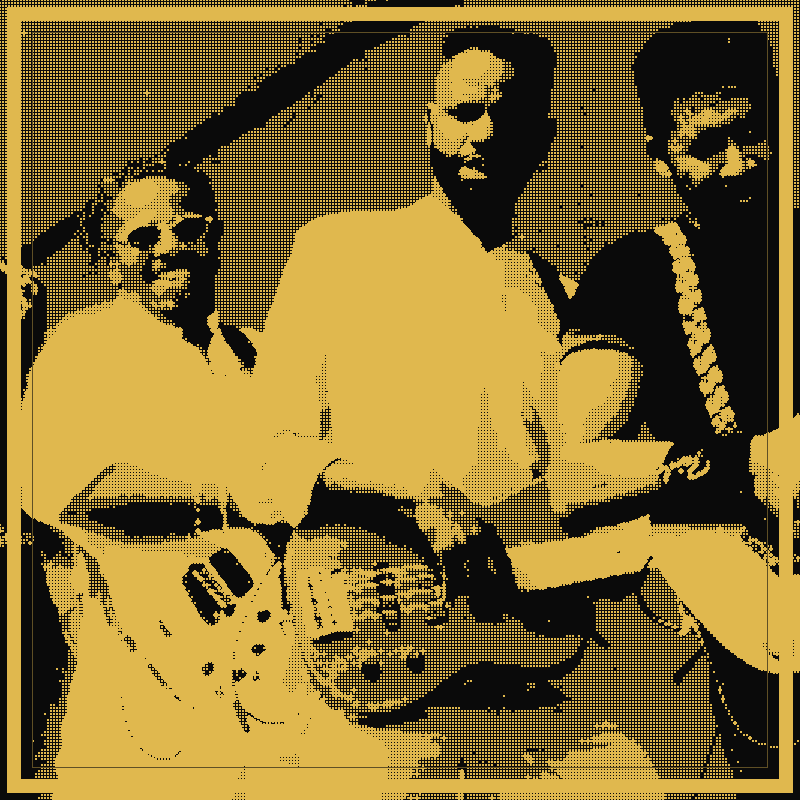
What the numbers say: Catalog 88, Commercial 90. The Commodores balanced hard funk (Brick House) and tender ballads (Easy, Three Times a Lady) — one of Motown's biggest 70s acts. They also launched Lionel Richie's superstar solo career.

What the numbers say: Identity 96, Studio Craft 92. The Prodigy fused rave, breakbeat, and punk aggression into big beat — The Fat of the Land was a global #1. Firestarter and their incendiary live shows made electronic music genuinely dangerous and massive.

What the numbers say: Influence 92 / Studio Craft 92 — "Blue Monday" is the best-selling 12-inch single of all time and a Rosetta Stone for dance, synth-pop, and indie. Identity 90 — rose from the ashes of Joy Division and built a wholly new sound. Versatility 82 — guitars and machines welded together before anyone else trusted the seam.
Decade by decade: 1980 — Ian Curtis dies; the surviving members become New Order. 1983 — "Blue Monday" fuses rock and electronic dance into one body. 1980s–90s — a Factory Records cornerstone whose fingerprints are on every band that later mixed bands and beats.
Eye test: Every "indie band discovers a drum machine" moment for forty years traces back to here.
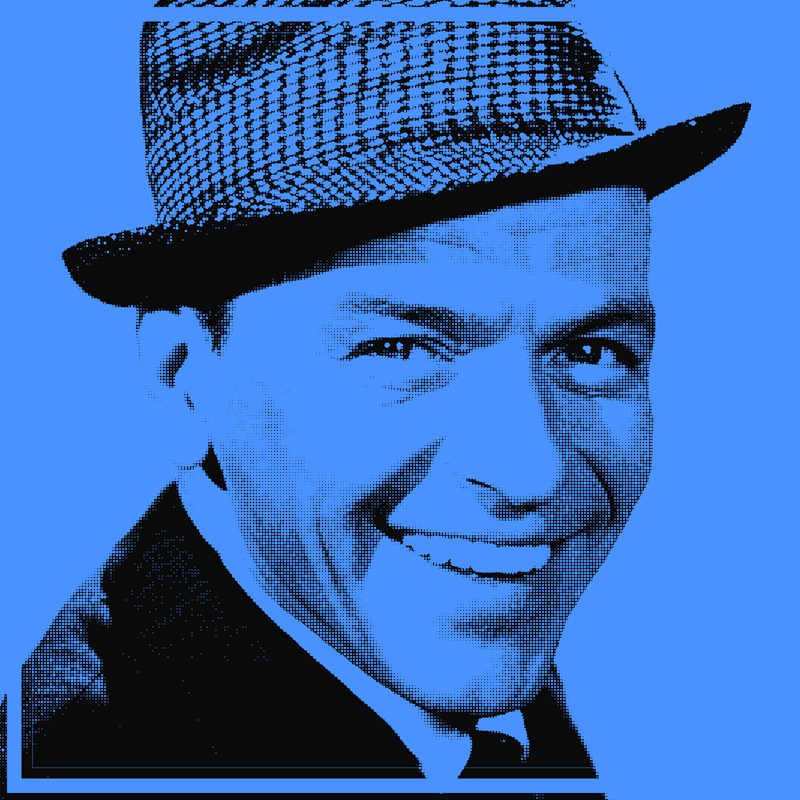
What the numbers say: In the same way there was a before and after Marlon Brando — a way men performed that was never the same — there was a before and after Sinatra. Six decades of relevance. Died 1998 at 82. Do it his way.

What the numbers say: Identity 94 / Peaks 92 — "The Black Parade" is a full-blown concept album, the genre's "The Wall." Culture 90 — the defining band of mid-2000s emo and the entire aesthetic around it. Catalog 78 — only four albums before a long breakup, which caps the depth.
Decade by decade: 2004 — "Three Cheers for Sweet Revenge" makes them stars. 2006 — "The Black Parade" turns them into icons with a marching-band death opera. 2013 — they break up at the peak of their legend; a 2019 reunion proves the devotion never faded.
Eye test: "Welcome to the Black Parade" still empties a room into a singalong. The grand opera of a whole subculture.
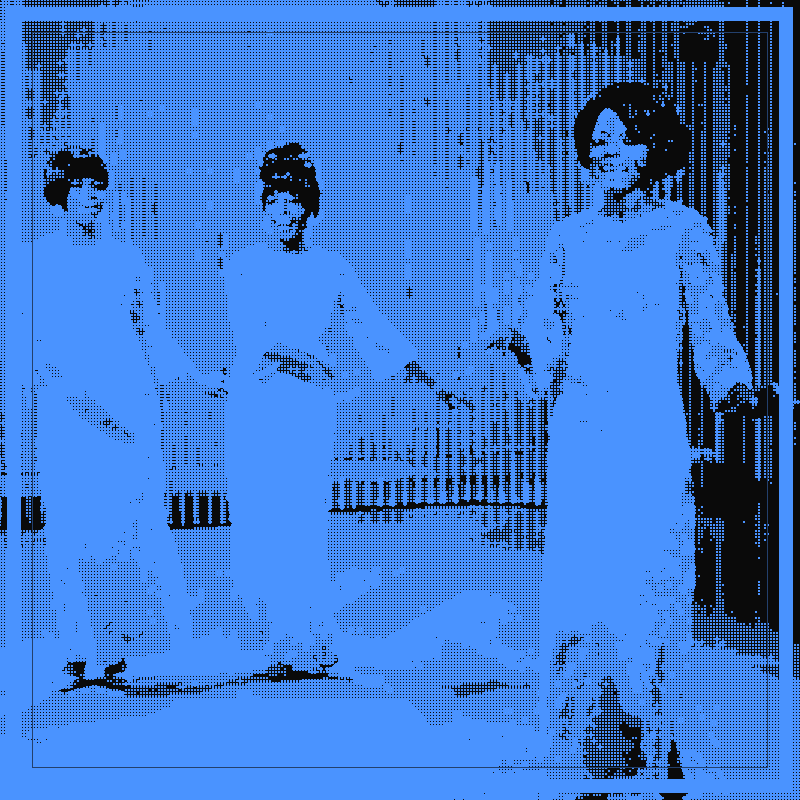
What the numbers say: Culture 97, Influence 95. Twelve number one singles on the Billboard Hot 100 — a record for a vocal group that stood for decades. They were the face of Motown at its peak and Motown's peak was one of the most culturally significant moments in American music history. Black women in evening gowns on The Ed Sullivan Show at a time when that was an act of cultural warfare. Every female group after them — TLC, Destiny's Child, En Vogue — is working inside a tradition they established. Songwriting 72 is honest — Holland-Dozier-Holland wrote the hits. The performance is what they owned.

What the numbers say: Influence 94 / Identity 94 — the yelps, slurs, and melodic contortions reshaped what a rap vocal could be; Gunna, Lil Baby, and countless others descend directly from him. Versatility 86 — endlessly experimental. Songwriting 84 — abstract but undeniably influential.
The run: 2014–16 — Barter 6 and the Slime Season tapes make him the most copied stylist in rap. 2019 — So Much Fun debuts at No. 1. 2021 — Punk follows. A sweeping RICO case later put the career on pause at its commercial peak.
Eye test: One of the single most influential vocalists of the era. The future ran through his throat.

What the numbers say: Songwriting 93, Studio Craft 93. Today, Disarm, Bullet with Butterfly Wings, 1979, Zero — five completely different songs across two albums, all Billy Corgan, all elite. Mellon Collie sold 10 million copies and was a two-disc concept album about the passage of time released in 1995 when two-disc concept albums were not commercially safe. It worked anyway. The band was essentially Billy Corgan performing all the instruments with other people standing nearby. That's not a criticism. The results justified the process.
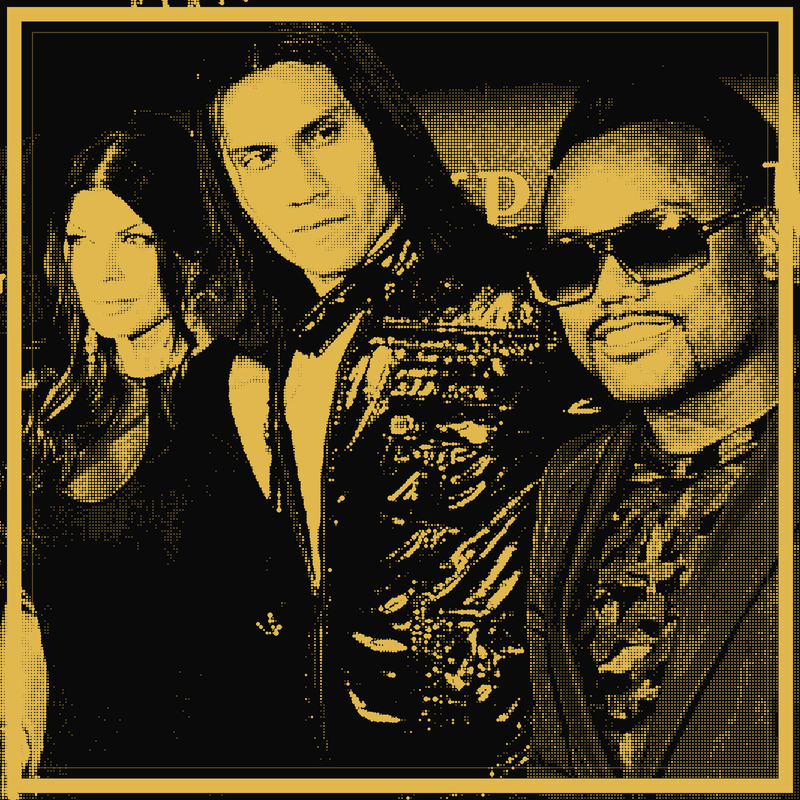
What the numbers say: Peaks 95 / Commercial 94 — "I Gotta Feeling" and "Boom Boom Pow" owned 2009, and "Where Is the Love?" is still a global staple. Studio Craft 88 reflects will.i.am's production instincts. Songwriting 80 is the red — the hooks are enormous but rarely deep — and Identity sits in the 80s because the group reinvented itself so often it became hard to pin.
Eye test: Ubiquitous when it mattered. You couldn't enter a room in 2009 without hearing them.
What the numbers say: Songwriting 100 — Thinkin Bout You, Bad Religion, Pink + White, Nights, Self Control, Solo. Channel Orange is a complete artistic statement. Blonde is a complete artistic statement. Two albums across twelve years and every serious music writer considers both essential. He came out as bisexual in a Tumblr post before releasing Channel Orange and changed the conversation about queerness in R&B permanently. Influence 95 — every alternative R&B artist working today is navigating a lane he opened. Catalog 58 is the brutal honest number. The scarcity makes each record more valuable. The records justify the scarcity.

What the numbers say: Songwriting 92 — radically honest, conversational lyrics that rewired modern R&B. Peaks 92 — Ctrl and SOS are both landmark, generation-defining albums. Performance 90 — a distinctive, emotive voice that bends genre at will. Catalog 80 — only two albums, but each is enormous.
The run: 2017 — Ctrl arrives and becomes the millennial R&B touchstone. 2022 — SOS debuts at No. 1 and stays for ten weeks, with Kill Bill among the year's biggest songs. The gaps between albums only build anticipation.
Eye test: Two albums, two cultural events. The most important R&B artist of her cohort.

What the numbers say: Commercial 99 — "Shape of You" is among the most-streamed songs in history and "÷" was a global juggernaut. Songwriting 90 — a hooks-and-feelings machine equally at home in folk, pop, and rap-adjacent cadences. Peaks 92 — sold out stadiums solo, with no band, just a looper.
Decade by decade: 2011 — "The A Team" launches a singer-songwriter. 2014–17 — "Thinking Out Loud," "Shape of You," "Perfect" make him one of the biggest pop stars on the planet. He did it with the smallest possible setup and the largest possible reach.
Eye test: Whatever you think of the songs, the scale is undeniable. The most commercially efficient act on the board.

What the numbers say: Influence 88 / Culture 90 — Ditto and Super Shy shifted K-pop toward understated, retro-cool production. Studio Craft 90 — a fresh, airy, trend-setting sound. Identity 92 — an effortless aesthetic that the whole industry started chasing. Catalog 76 — a short, explosive run later tangled in label turmoil.
The run: 2022–23 — Attention, Ditto, and Get Up make them an instant phenomenon and trend-setters. A high-profile dispute with their label later clouded the future, but the aesthetic shift they triggered is permanent.
Eye test: They changed the genre's direction in two years. Influence outsized for the catalog's length.
What the numbers say: Influence 96, Songwriting 92, Identity 94. The Pixies invented the loud-quiet-loud dynamic that defined alternative rock. Doolittle is a masterpiece. Cobain, Radiohead, and countless others cite them as direct influences. Commercial 74 is honest — they were bigger in legend than in sales. But their fingerprints are on every alt-rock record of the 90s.
What the numbers say: Identity 98, Performance 90. Slipknot brought masked, percussion-heavy, theatrical brutality to metal — Iowa and Vol. 3 made them stars. Their live intensity and devoted Maggot fanbase made them the defining metal band of their era.

What the numbers say: Songwriting 92, Identity 94. The National perfected literate, melancholic indie rock — Boxer and High Violet are slow-burn masterpieces. Matt Berninger's baritone and the Dessner brothers' arrangements made them indie's most quietly devastating band.

What the numbers say: Five at 98 or above. Two brutal reds. The reds are not a penalty. They are the tragedy. Gun to your head — one rapper flows over any beat, any tempo, any style, and sounds like the best rapper who ever lived — Biggie. Two albums. Enough.
What the numbers say: Commercial 96 — consistently one of the highest-grossing touring acts in the world. The Music of the Spheres tour is one of the highest-grossing tours in history. Yellow, The Scientist, Clocks, Fix You, Viva la Vida — five songs that land across different emotional registers and every one of them works in a stadium. Chris Martin is a genuinely excellent melodist who gets almost no critical credit for it. The Parachutes to X&Y run is one of the more consistent early catalog runs in 2000s rock. They are not cool. They have never been cool. The rooms keep filling anyway.
What the numbers say: Identity 100 — the trash bag suit, the reversed lyrics, the visual language she built with Hype Williams. She is the most visually inventive artist in hip hop history. Studio Craft 95 — she and Timbaland built a production style together that sounded like no one else. Get Ur Freak On, Work It, Lose Control — three completely different sonic experiments, all her, all massive. First rapper inducted into the Songwriters Hall of Fame. Battled Graves' disease and disappeared for a decade and came back. The Super Bowl 2015 cameo with Katy Perry reminded the entire world she existed. The entire world responded immediately.

What the numbers say: Identity 100 — the wigs, the alter egos, the Roman Zolanski character, the Barbie persona. Nobody else built a mythology around themselves quite like this in her era. Influence 92 — Cardi B, Megan Thee Stallion, Ice Spice, every female rapper of the current generation exists in a commercial space she made viable. Monster verse on Kanye's My Beautiful Dark Twisted Fantasy is one of the greatest guest rap verses in history. She outperformed every male rapper on that track and they all knew it. Her longevity in a genre that discards women fast is the whole argument.

What the numbers say: Performance 100 — a three-octave range with total control. Oh, Pretty Woman went to number one in nine countries simultaneously in 1964. Crying is one of the most emotionally devastating vocal performances in rock history. He lost his wife in a motorcycle accident. He lost two of his sons in a house fire. He wrote In Dreams and Running Scared and Blue Bayou while all of this was happening. The darkness in the songs was not invented. The Traveling Wilburys brought him back to a new generation in 1988. He died of a heart attack in 1988 two weeks after the Wilburys album was released. Mystery Girl came out posthumously and went to number one. The voice outlasted everything.

What the numbers say: Influence 90 — "Trap Muzik" (2003) helped name and codify the most dominant sound in 21st-century rap. Identity 90 — the self-proclaimed King of the South who backed it up commercially and critically. Commercial 88 — "Whatever You Like" and "Live Your Life" were inescapable crossover No. 1s.
Decade by decade: 2003 — "Trap Muzik" puts a name on a movement. 2006–08 — "King" and "Paper Trail" turn him into a pop-chart force while keeping the streets. He also became a mentor figure, helping break a wave of Atlanta artists who'd define the next era.
Eye test: Trap took over the world. T.I. is one of the men who built the on-ramp.

What the numbers say: Commercial 93 — best-selling American female group in history, 65 million records sold. CrazySexyCool is one of the ten best R&B albums of the 1990s. Waterfalls was number one for seven weeks. No Scrubs was number one for three weeks. Both in the same year. Identity 97 — the condom outfits, the Left Eye alias, the oversized clothing. You knew exactly who they were from across a room. Left Eye burned down Andre Rison's house and somehow survived to make the greatest album of their career. Then she died at 30 in Honduras. The catalog is short and the presence was enormous.
What the numbers say: Four 100s. 500 million records sold. 1968 Comeback Special — possibly the greatest live television performance ever filmed. Elvis on Ed Sullivan. That's the detonation. Everything after is fallout.
What the numbers say: Studio Craft 90 / Culture 90 — a curator's ear for psychedelic, fashion-forward production and visuals. Identity 92 — Pretty Flacko, the A$AP Mob, a whole aesthetic. Influence 88 — the bridge between underground style and luxury-brand mainstream.
The run: 2011 — Live.Love.A$AP makes him a blog-era sensation. 2013–15 — Long.Live.A$AP (No. 1) and At.Long.Last.A$AP refine the cloud-rap-meets-couture sound. He became a tastemaker whose influence outran his hit count.
Eye test: More taste than chart dominance, but the taste shaped everything. The style card.
What the numbers say: Peaks 95 — You Oughta Know is one of the most viscerally angry breakup songs ever recorded by anyone of any gender. Ironic, Hand in My Pocket, Head Over Feet, All I Really Want — five massive songs on one album, all different registers, all her. Jagged Little Pill won Album of the Year at the Grammys in 1996. She was 21. Catalog 72 is honest — nothing after Jagged Little Pill matched it commercially or culturally. The one album was a detonation. The influence runs through every confessional female rock artist who came after her.
What the numbers say: Culture 90 — the house band of the psychedelic era, Monterey and Woodstock both. Identity 90 — Grace Slick's voice cutting through the haze is one of the defining instruments of the 60s. Songwriting 88 — "White Rabbit" and "Somebody to Love" are airtight despite the acid.
Decade by decade: 1967 — "Surrealistic Pillow" delivers two top-ten singles and a manifesto for a movement. Late 60s — Woodstock, Altamont, the full arc of the counterculture in real time. 1970s — fragments into Jefferson Starship and the spell breaks.
Eye test: "White Rabbit" still sounds like a door opening into 1967. Time-capsule greatness.

What the numbers say: Commercial 98 — Dangerous: The Double Album and One Thing at a Time posted historic streaming and chart weeks. Peaks 92 — multiple records for weeks at No. 1. Identity 90 — the mullet-and-Marlboro modern-country everyman. Culture 84 — a real controversy that the numbers steamrolled.
The run: 2021 — Dangerous becomes a juggernaut even amid a public scandal. 2023 — One Thing at a Time and Last Night dominate the all-genre charts for months. Pure commercial gravity that the industry couldn't ignore.
Eye test: The biggest raw numbers of any artist in this batch, controversy and all.

What the numbers say: Peaks 92 / Commercial 92 — Espresso, Please Please Please, and Taste turned her into an inescapable 2024 phenomenon. Songwriting 88 — sharp, funny, innuendo-laced pop craft. Identity 90 — a fully formed star persona after years of buildup.
The run: 2010s — Disney roots and a slow-building pop career. 2024 — Short n' Sweet and the Espresso wave make her one of the biggest pop stars in the world. The overnight success was ten years in the making.
Eye test: The long-game breakout. Patient development that detonated into superstardom.

What the numbers say: Influence 92 — he turned Auto-Tune into an expressive instrument and opened the door for the entire melodic-rap era that followed. Identity 92 — "Buy U a Drank," "Bartender," "Good Life"; for two years he was on every hook in pop. Catalog 78 — the run was short and the imitators caught up fast.
Decade by decade: 2005–08 — an inescapable streak of hooks and features built on a sound everyone copied. 2010s — the backlash, then vindication: a stunning NPR Tiny Desk reveals the actual voice underneath, and history reassesses him as a genuine innovator.
Eye test: Listen to rap radio today. The instrument he popularized is everywhere. He was right and early.

What the numbers say: Songwriting 94 — Royals and the whole of Melodrama are precise, literary, and entirely her own. Influence 90 — the dark, spare, vocal-forward minimalism became the dominant pop production style of the 2010s. Identity 92 — an artist with total creative control from day one.
The run: 2013 — Royals tops the chart and a 16-year-old from New Zealand changes the sound of radio. 2017 — Melodrama, a perfect breakup record. Long silences between albums, but each one moves the culture.
Eye test: Hear how minimal, moody pop took over after 2013? That's her fingerprint on everyone.

What the numbers say: Influence 96, Identity 98, Studio Craft 92. Joy Division compressed an entire genre into two albums and a few singles before Ian Curtis died at 23. Unknown Pleasures, produced by Martin Hannett, invented post-punk's cold, spacious sound. Catalog 76 reflects how little they made — but Influence 96 reflects how much it mattered. The surviving members became New Order and changed music again.

What the numbers say: Performance 97, Influence 95, Versatility 90. The résumé is absurd: Yardbirds, Bluesbreakers, Cream, Blind Faith, Derek and the Dominos, then a solo career that produced Layla, Wonderful Tonight, Tears in Heaven, and Unplugged — the best-selling live album in history. Commercial 85 reflects 280 million records. The weakness is Identity 78 — Clapton was a chameleon who absorbed blues, rock, reggae, and adult contemporary without ever fully owning one mode the way Hendrix owned psychedelic guitar. The strength is that he could walk into any room, any genre, any decade, and be the best guitarist there.

What the numbers say: Identity 94 / Culture 90 — a theatrical, queer, camp-forward persona unlike anything else on the chart. Songwriting 90 — Pink Pony Club, Good Luck Babe!, and the whole debut are sharp and emotionally precise. Catalog 74 — one album deep, but it's a gem.
The run: 2017–22 — dropped by a label, grinds in obscurity. 2023– 24 — The Rise and Fall of a Midwest Princess slowly catches fire, then explodes; Good Luck, Babe! becomes a smash and her festival sets become events. The slowest overnight success of the decade.
Eye test: A fully realized artistic vision that the mainstream finally caught up to. The patience paid off enormously.
What the numbers say: Songwriting 88 — Pete Wentz's verbose, quotable lyrics and Patrick Stump's elastic voice are a potent combination. Commercial 88 — "Sugar, We're Goin Down" then a full pop reinvention with "Centuries" and "My Songs Know What You Did in the Dark." Versatility 84 — survived by evolving from emo to arena-pop.
Decade by decade: 2005 — "From Under the Cork Tree" makes them MTV royalty. 2009–13 — a hiatus, then a comeback ("Save Rock and Roll") that's bigger than the original run. The rare 2000s band to come back stronger than it left.
Eye test: They outlasted the trend that made them, twice. Durability is its own stat.
What the numbers say: Identity 100, Culture 100. The skull, the lightning bolt, the tie-dye, the parking lot scene, the tapers recording every show, the community that formed around the band and never left. They grossed more money on tour in their peak years than any rock band in history despite having almost no radio hits. Studio Craft 72 is honest — the records were never the point. The live shows were the point. Jerry Garcia died in 1995. Dead and Company continued the touring legacy into the 2020s and still sells out stadiums. The music created a community. The community outlasted the music. That is the whole card.

What the numbers say: Performance 100, Identity 100. The most feral rock and roll performer in history. Great Balls of Fire is pure physical joy transferred to vinyl. Whole Lotta Shakin' Goin' On is seven minutes of performance energy that cannot be explained rationally. He married his thirteen-year-old cousin and the scandal destroyed his career in 1958 at the moment he was going to be the biggest star in America. He survived it and had a second career in country music and kept performing until he was 86. The man was indestructible. The performances were irreplaceable.
What the numbers say: Performance 94 — Levi Stubbs' urgent, near-desperate baritone is one of soul's great voices. Identity 90 — Motown's premier vocal group, unchanged for 40+ years, a record of stability nobody touches. Songwriting 72 — the Holland-Dozier-Holland team wrote the hits, which caps the card the way it caps every great interpreter.
Decade by decade: 1964–67 — "Baby I Need Your Loving," "I Can't Help Myself," "Reach Out I'll Be There," a run of Motown perfection. 1970s onward — survive the label's collapse and keep the original lineup intact decade after decade. Loyalty as an art form.
Eye test: "Reach Out" still sounds like an emergency in the best way. Pure-voice greatness.

What the numbers say: Commercial 96, Peaks 92. Come On Over sold 40 million copies worldwide. That's not a typo. She had hits on pop radio, country radio, and dance radio simultaneously — an impossibility before her and rarely replicated since. Mutt Lange's production gave the records a rock-pop sheen that Nashville purists hated and everyone else bought. The weakness is Influence 68 — the Shania model (country-pop crossover mega-production) was attempted by many and achieved by almost none, which means the influence was more commercial template than artistic school. The strength is that the numbers are so enormous they speak for themselves.

What the numbers say: Commercial 98 / Culture 96 — multiple Hot 100 No. 1s, UN speeches, and a fanbase (ARMY) that's a cultural force in its own right. Peaks 94 — Dynamite, Butter, and a stadium-filling global takeover. Identity 94 — the most recognizable group in modern pop.
The run: 2013–17 — build a devoted base. 2018–22 — Love Yourself, Map of the Soul, and English-language smashes make them the biggest band in the world, breaking records and barriers no Korean act had touched. A hiatus paused the run at the absolute peak.
Eye test: A genuine global phenomenon and a barrier-breaker. The biggest act in this entire batch by a wide margin.

What the numbers say: Commercial 94 / Culture 92 — Mañana Será Bonito made history and her tours are global events. Identity 92 — a fully realized superstar persona. Influence 88 — a leading force in Latin music's worldwide surge. Peaks 92 — Bichota, TQG, and a record-breaking album.
The run: 2017–21 — builds from Tusa into a Latin powerhouse. 2023 — Mañana Será Bonito tops the all-genre chart, a historic first. One of the biggest artists in the world, full stop.
Eye test: A genuine global superstar and a history-maker. Top tier of this batch alongside BTS and Zach Bryan.
What the numbers say: Commercial 100, Identity 100. Most streamed artist on Spotify in 2020, 2021, and 2022. Un Verano Sin Ti debuted at number one in the United States entirely in Spanish — the first album ever to do that. He performed at Wrestlemania. He appeared in a Marvel film. He headlined Coachella. He did all of it without singing a single word in English. Culture 97 — he moved Latin trap and reggaeton from regional genre to global dominant force faster than anyone thought possible. The card is still being written. What's already on it is extraordinary.
What the numbers say: Identity 94 — the rapid-fire harmonized flow is instantly recognizable and was genuinely new in 1995. Influence 90 — the direct ancestor of melodic rap, from Drake to the entire SoundCloud generation. Performance 90 — the interlocking five-man harmonies are a technical feat live and on tape.
Decade by decade: 1995 — "E. 1999 Eternal" and the Cleveland crew's sung-rap hybrid takes off. 1996 — "Tha Crossroads" wins a Grammy and becomes one of the era's defining singles. They built a lane that the next thirty years of rap would pour into.
Eye test: Singing-rapping is the dominant mode of modern hip-hop. These five did it first and best.
What the numbers say: Influence 90 / Identity 92 — a pioneer of the 'rage' and rockstar-rap aesthetics, with a look and energy all their own. Peaks 88 — XO Tour Llif3 is a defining song of the late 2010s. Studio Craft 88 — adventurous, maximalist production choices.
The run: 2017 — XO Tour Llif3 and Luv Is Rage 2 (No. 1) make Uzi a superstar. 2020 — Eternal Atake debuts at No. 1 after a long, fan-obsessed wait. The punk-energy, genre-mixing approach influenced a whole rage scene.
Eye test: Rap with a mosh pit attached. One of the era's true sonic risk-takers.

What the numbers say: Performance 92 — explosive, precise, high-energy choreography and stagecraft. Studio Craft 88 — a self-producing unit (3RACHA) with a distinctive noisy-maximalist sound. Commercial 88 — multiple Billboard 200 No. 1 albums, a rare feat for the genre.
The run: 2018 onward — survival-show origins give way to a string of bold, self-produced releases. 2022–24 — consecutive Billboard 200 No. 1s (Oddinary, Maxident, 5-Star) make them one of K-pop's biggest commercial forces. They built the sound themselves.
Eye test: Self-made and relentless. The rare idol group that controls its own sonic identity.

What the numbers say: Songwriting 90 — Rivers Cuomo's crunchy, hyper-melodic power-pop on the Blue Album is near-perfect. Identity 90 — the =w= logo, the glasses, the self-deprecation; nerd-rock has a flag. Peaks 88 — "Pinkerton," a commercial flop on release, is now a confessional-rock cornerstone.
Decade by decade: 1994 — the Blue Album ("Buddy Holly," "Say It Ain't So") becomes a 90s staple. 1996 — "Pinkerton" is rejected, then reclaimed as a classic. 2000s–10s — a sprawling, uneven catalog that keeps the diehards arguing and the hits in heavy rotation.
Eye test: The Blue Album and Pinkerton alone earn the card. The patron saints of feeling like an outsider.

What the numbers say: Identity 100, Studio Craft 96, Versatility 95. Debut, Post, Homogenic, Vespertine — each album invented its own sonic world from scratch. She pioneered the use of programming, sampling, and electronic production in art-pop before anyone had a name for it. Commercial 55 is the cost of that ambition — she never chased radio. The strength is that Influence 95 tells the real story: Radiohead, Grimes, FKA twigs, Arca, and half of modern electronic music trace directly back to what she built. Culture 90 reflects that she's treated as a serious composer in classical and electronic circles, not just a pop eccentric.
What the numbers say: Performance 100, Versatility 97. Mack the Knife spent nine weeks at number one. He won Grammy Award for Record of the Year at 23 years old. He could out-Sinatra Sinatra and out-rock the rock and rollers. He wrote Splish Splash as a joke and it sold a million copies. He played Carnegie Hall. He marched with Dr. King. He recorded folk albums. He did all of this knowing he was living on borrowed time because of his heart. He was the most versatile performer of his era and the era barely remembers him now. The card corrects that.
What the numbers say: Commercial 92 — 130 million records sold. Slippery When Wet is one of the ten best-selling albums of the 1980s. They survived the death of hair metal by pivoting to heartland rock and arena anthems and it worked. Livin' on a Prayer is one of the most recognizable songs in rock history — the key change alone has been studied in music theory classes. Jon Bon Jovi is a genuinely excellent live performer who has kept the same band together for forty years. No 100s on this card. No catastrophic reds. Sustained quality, enormous commercial success, one perfect peak album.
What the numbers say: Identity 90 / Peaks 90 — Coloring Book was the first streaming-only album to win a Grammy, a structural milestone for the whole industry. Influence 88 — proved an artist could go fully independent and still reach the top. Commercial 80 / Catalog 76 — the gospel-joy lane was narrow and the momentum cooled after the peak.
The run: 2013 — Acid Rap, a free mixtape, makes him a phenomenon. 2016 — Coloring Book changes the Grammy rules and crowns him the patron saint of independence. The follow-up never recaptured it, but the precedent he set outlived the chart run.
Eye test: The business-model card. His biggest hit may be the door he kicked open for everyone who came after.

What the numbers say: Performance 100 — three elite virtuosos playing at maximum level simultaneously. Clapton's guitar work on Crossroads live is one of the greatest rock guitar performances ever recorded. Sunshine of Your Love invented the power trio rock sound that every hard rock band since 1967 has built on. Influence 96 — Led Zeppelin, Jimi Hendrix, every hard rock band of the 1970s was answering what Cream did in two years. Catalog 62 is honest — four studio albums before implosion. They reunited for four shows at the Royal Albert Hall in 2005 and were still one of the greatest live bands in rock history at 60 years old.
What the numbers say: Performance 100 — the voice is enormous and the command is total. I Feel Love 1977 is the founding document of electronic dance music. Every DJ, every rave, every techno track, every EDM producer traces a direct line to the Giorgio Moroder synthesizer sequence underneath Donna Summer's voice on that record. Culture 93, Influence 91 — the entire architecture of club music was built on what they made in a Munich studio in 1977. She is the most important figure in dance music history and most people who love dance music don't know her name. That gap does not change what the music did.
What the numbers say: September is one of the ten most joyful recordings in pop music history — the opening ba-de-ya has never been explained, even by the songwriter, and it is correct regardless. Shining Star won Grammy for Best R&B Song. They blended funk, soul, jazz, African rhythms, and pop into something nobody else built the same way. Philip Bailey's falsetto is one of the great vocal instruments of the 1970s. Boogie Wonderland, Let's Groove, Fantasy — the hits are indestructible and they keep appearing in films, commercials, and playlists fifty years later. The durability is the argument.
What the numbers say: Performance 98 — he is the best male dancer in mainstream pop since Michael Jackson. Cry Me a River produced by Timbaland is flawless. SexyBack reset what masculinity in pop music sounded like in 2006. He wrote both. FutureSex/LoveSounds sold 9 million copies and changed R&B pop production for a decade. The Super Bowl 2004 wardrobe incident that destroyed Janet Jackson's career while doing nothing to his is part of his legacy whether he acknowledges it or not. The card holds the music. The music is outstanding. The personal history is complicated.

What the numbers say: Influence 92 / Culture 90 — the 'Migos flow' (the rapid triplet cadence) became the default rhythm of late-2010s rap. Identity 92 — the Atlanta trio's ad-libs and chemistry were instantly recognizable. Versatility 76 — one devastating tool, used relentlessly.
The run: 2013 — Versace breaks them out. 2016–17 — Bad and Boujee hits No. 1 and Culture cements the dynasty. The triplet flow spread to every corner of rap radio. Internal splits and the loss of Takeoff later closed the chapter.
Eye test: Clap out the flow — you've heard it on a hundred hits. That cadence is their monument.
What the numbers say: Culture 100, Influence 100. Stand! — 1969 — Woodstock — they played at 3am and the crowd stayed and danced until sunrise. There's a Riot Goin' On changed what funk could sound like — dark, druggy, paranoid, the inverse of everything they'd made before. James Brown invented the one. Sly Stone connected it to rock and pop and social consciousness and created a bridge every funk and soul artist since has crossed. Prince, Michael Jackson, Outkast, Bruno Mars — all of them felt this directly. The catalog is uneven because Sly destroyed himself with drugs. The peaks were extraordinary.

What the numbers say: Identity 100 — red, white, and black. Always. No bass guitar ever. Two people. Full stop. Jack White is one of the five greatest guitarists of his generation. Seven Nation Army's bass-register guitar riff has been chanted in football stadiums across six continents — it was written without a bass guitar on a six-string through an octave pedal. Elephant is one of the ten best rock albums of the 2000s. They broke up in 2011 because Meg White had severe anxiety and couldn't perform anymore. Jack White released a statement that was kind and gracious and correct. The songs remain extraordinary.
What the numbers say: Four 100s, two brutal reds. Smells Like Teen Spirit — September 1991. Hair metal was dead by January 1992. Kurt Cobain died at 27. Two albums. That was enough.
What the numbers say: Performance 100, Influence 100, Identity 100. John Coltrane is one of the most important and influential jazz musicians ever. From hard bop through modal jazz to free jazz, he constantly evolved. A Love Supreme and Giant Steps are landmarks. His relentless spiritual and technical searching reshaped jazz and continues to influence musicians across every genre.

What the numbers say: Influence 90 — a leading voice of melodic emo-rap whose style shaped the SoundCloud generation. Identity 90 — Lucid Dreams and the open-wound vulnerability behind it. Catalog 78 — a short life, but an astonishing volume of recorded material, much released posthumously.
The run: 2018 — Lucid Dreams and Goodbye & Good Riddance make him a phenomenon at 19. 2019 — Death Race for Love hits No. 1; he dies in December at 21. Posthumous albums kept topping charts, a measure of how much was left unfinished.
Eye test: Enormous talent, tragically short window. The gift was real and the loss enormous.
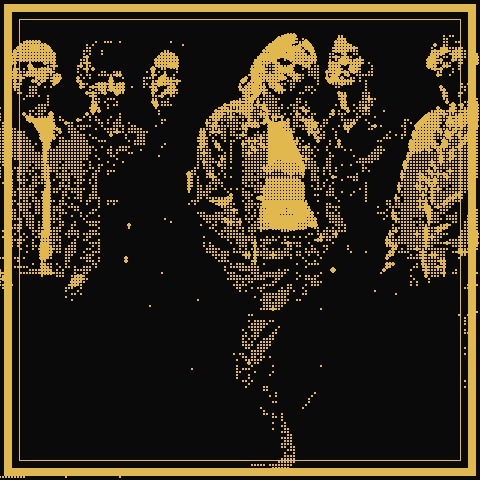
What the numbers say: Commercial 92 — Hybrid Theory is one of the best-selling debut albums in history. Meteora sold 27 million. They fused rap and rock and made nu-metal palatable to everyone who was twelve in 2001 and that generation never let them go. Chester Bennington had one of the most powerful rock voices of his generation — the scream in Given Up is held for seventeen seconds. He died by suicide in 2017. The band went quiet. The songs kept streaming. In the End is one of the most streamed rock songs in Spotify history. The cultural footprint of their two-album peak is larger than almost any rock band of the 2000s.
What the numbers say: Identity 100 — Robert Smith's face is an icon. The smeared lipstick, the hair, the spider webs. Influence 95 — goth, post-punk, shoegaze, emo, every sad guitar subgenre of the last forty years carries their DNA. Disintegration is a masterpiece of sustained melancholy. Lovesong reached number one in America — their only US chart topper. Friday I'm in Love is a perfect pop song written by a man who makes albums about despair. That range inside one band is the whole argument. Versatility 51 is honest — they operate in a narrow emotional register. That register has never been explored more thoroughly by anyone else.
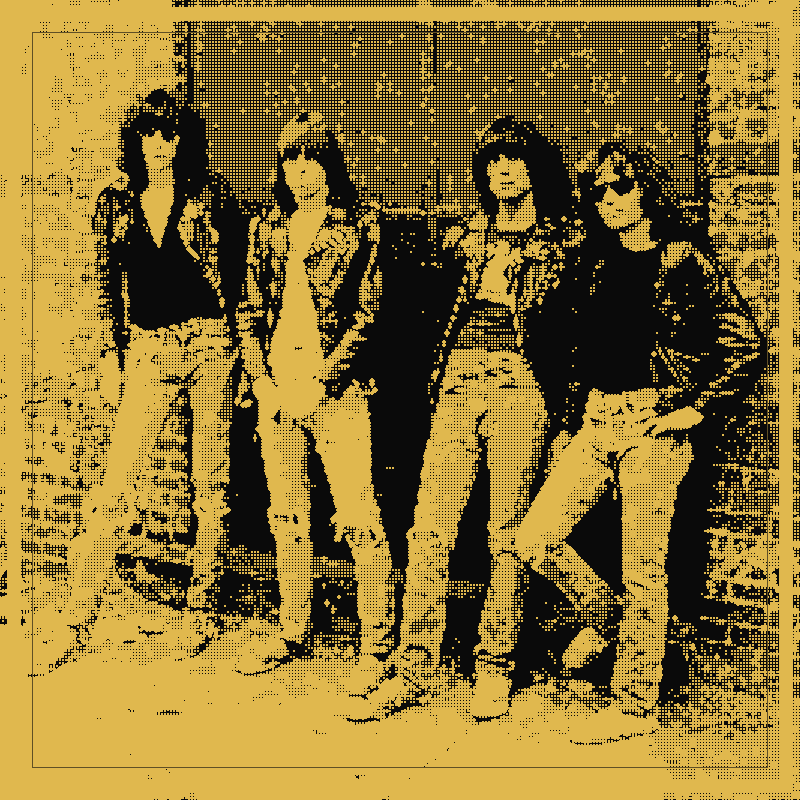
What the numbers say: Identity 100, Influence 100. The leather jackets, the ripped jeans, the matching names, the two-minute songs, the one-two-three-four count-in. They invented punk aesthetics in Queens, New York in 1974 and took it to England in 1976 where it ignited the Sex Pistols, The Clash, and an entire movement. Johnny, Joey, Dee Dee, Tommy — all dead now. All inducted into the Rock and Roll Hall of Fame. The songs were simple because simplicity was the point. The world needed simpler. They gave it simpler and the world exploded.

What the numbers say: Culture 95, Peaks 90, Commercial 88. Gasolina was the moment reggaeton stopped being a regional Caribbean genre and became a permanent fixture of global pop. Then Despacito (with Luis Fonsi) became the first Spanish-language song to hit #1 on the Hot 100 in the streaming era and the most-viewed YouTube video in history. He retired in 2022 with a farewell tour that grossed over $200 million. The weakness is Versatility 65 — he mastered one mode completely. The strength is that the mode he mastered reshaped the entire pop landscape.

What the numbers say: Influence 94 — the melodic, numb, autotuned trap blueprint that Drake, Travis, and a generation built on. Catalog 90 — staggeringly prolific, mixtape after mixtape with almost no drop in quality. Identity 92 — that haunted Atlanta croon is instantly his.
The run: 2014–15 — Monster, Beast Mode, 56 Nights, then DS2; one of the great hot streaks in rap history. 2017 — two No. 1 albums in consecutive weeks. He rarely gets named as a GOAT, and his fingerprints are on everyone who does.
Eye test: Influence wildly outruns critical reputation. The ghost in the machine of 2010s rap.

What the numbers say: Commercial 96 — one of the most-streamed artists alive, a diamond-single machine (Rockstar, Sunflower, Circles). Versatility 86 — face tattoos and trap one year, Bob Dylan covers and country the next. Peaks 90 — Hollywood's Bleeding was inescapable.
The run: 2016 — White Iverson and Stoney announce a star. 2018– 19 — beerbongs & bentleys and Hollywood's Bleeding turn him into a streaming juggernaut. By the 2020s he's pivoting toward full country crossover, the chameleon act continuing.
Eye test: The numbers are enormous and the lane is impossible to define. Pure commercial gravity.
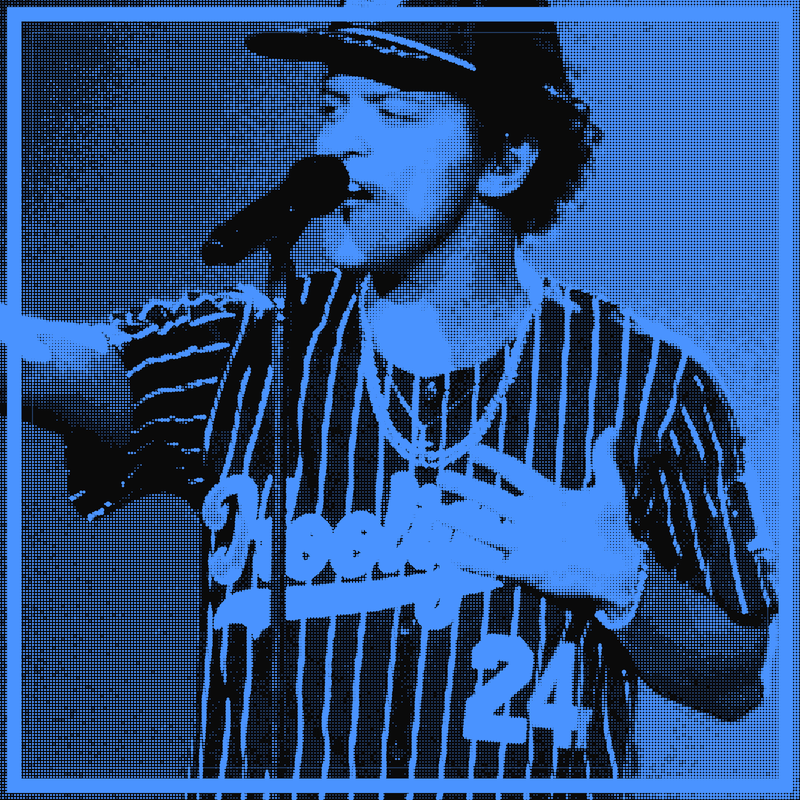
What the numbers say: Performance 99 — he is the closest thing to a complete old-school entertainer working in pop today. The James Brown work ethic, the Prince musicianship, the Michael Jackson showmanship, compressed into a five-foot-five Hawaiian kid who grew up in Las Vegas. Uptown Funk is one of the ten most streamed songs in history. 24K Magic won Album of the Year, Record of the Year, and Song of the Year at the Grammys simultaneously. Silk Sonic with Anderson .Paak — Leave the Door Open — proved his instincts always lead somewhere interesting. The catalog is shorter than it should be. The performances fill the gap.
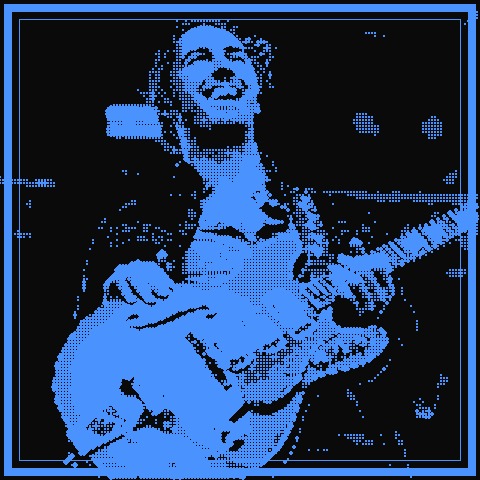
What the numbers say: Songwriting 92 — dense, literary, reference-rich writing in a soul-blues frame. Peaks 92 — Take Me to Church and, years later, Too Sweet. Identity 90 — the brooding, bookish, hymnal aesthetic is unmistakable.
The run: 2013 — Take Me to Church becomes a worldwide phenomenon. 2019–24 — Wasteland, Baby! and Unreal Unearth show real depth, and Too Sweet proves the staying power. No one-hit concerns here.
Eye test: Substance and scale together. A literary songwriter with genuine hits.
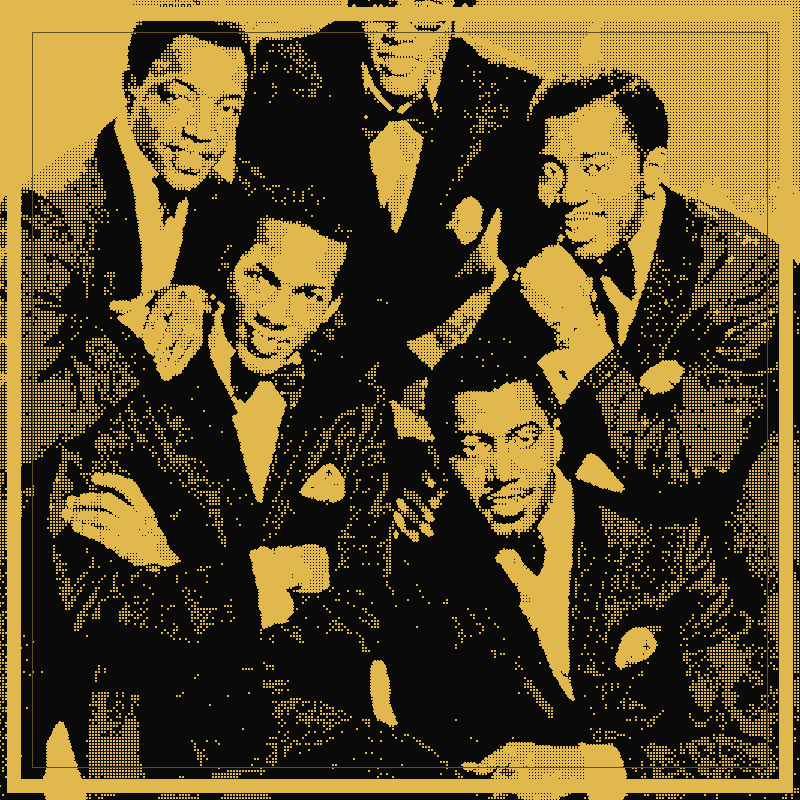
What the numbers say: Performance 98 — the choreography, the harmonies, the suits, the synchronized movement. They were the visual and sonic standard for the male vocal group at the peak of Motown. My Girl is one of the ten most recognizable songs in American pop. Papa Was a Rolling Stone won three Grammys in 1972 — twelve minutes of psychedelic soul that bore no resemblance to what they'd made five years earlier. Songwriting 72 is honest — Smokey Robinson and Norman Whitfield wrote the songs. The performance is what they owned completely and the performance was flawless for twenty years.
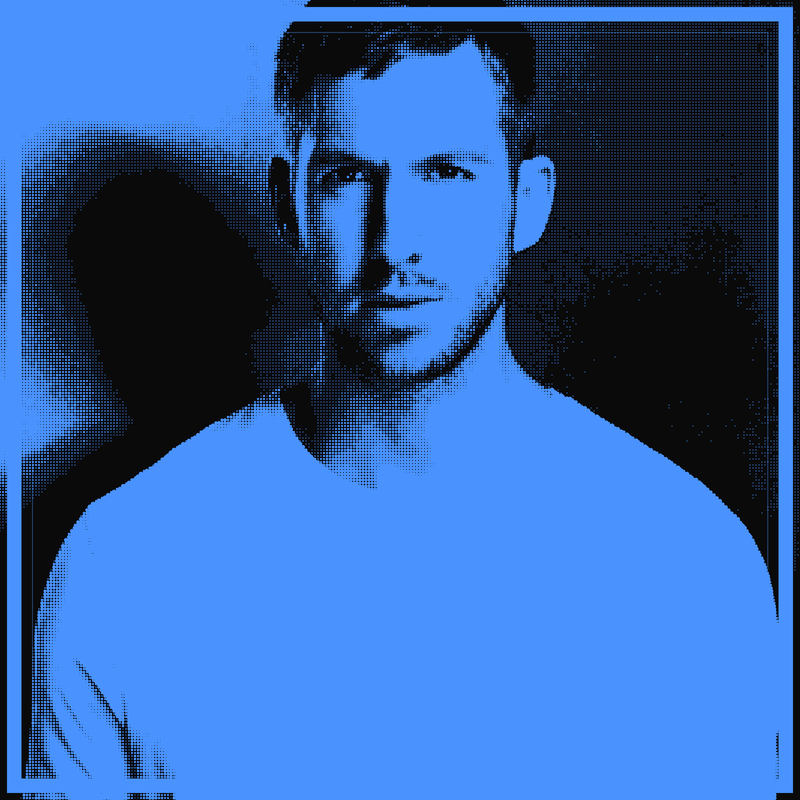
What the numbers say: Commercial 93 / Studio Craft 92 — "We Found Love," "Summer," "This Is What You Came For," "Feels," a near-decade of inescapable singles. Performance 78 and Versatility 78 are the reds: he's a producer-DJ, not a front man, and the lane is deliberately narrow. The hits, though, are a category of their own.
Eye test: The reliability is the talent. When a label needed a guaranteed summer smash, this was the call.

What the numbers say: Peaks 95 — "Old Town Road" held #1 for 19 weeks, a record. Identity 92 / Culture 92 — a singular, provocative persona who treated marketing as an art form and pushed visibility forward. Catalog 72 is the red, and it's fair: the career is young and the body of work is thin behind the moments. The moments are enormous.
Eye test: Capability still ahead of catalog — but the cultural footprint is already outsized for the years on the clock.

What the numbers say: Commercial 92 / Peaks 90 — Havana and Señorita were inescapable global smashes. Identity 88 — a clear Latin-pop-crossover persona. Catalog 82 — a solid solo body of work. Songwriting 84 — a co-writer on her biggest hits.
The run: 2012–16 — Fifth Harmony fame. 2017–19 — Havana and Señorita (with Shawn Mendes) make her a solo superstar. Later albums cooled, but the peak was enormous and the crossover clean.
Eye test: A clean girl-group-to-solo-star transition with a genuine signature smash.

What the numbers say: Performance 90 / Identity 90 — a classically trained voice and a vintage, elegant aesthetic that's entirely her own. Culture 88 — single-handedly made jazz-pop cool for a young audience. Catalog 78 — early but acclaimed.
The run: 2021–23 — Everything I Know About Love and Bewitched build a devoted following. 2024 — a Grammy win validates the revival. She found a lane nobody else was running and owned it.
Eye test: A genuine genre-revivalist with real chops. Niche, but she defined it.
What the numbers say: Commercial 90 — My Turn was the best-selling album of 2020 and the hits never stopped. Culture 86 — The Bigger Picture, a protest anthem, gave him real cultural weight. Catalog 84 — fast, prolific, and remarkably consistent for how quickly he arrived.
The run: 2017–18 — Harder Than Ever and a feature run announce him. 2020 — My Turn dominates and The Bigger Picture lands at the center of the year's protests. He became the model for the modern, streaming-first Atlanta star.
Eye test: Quiet dominance. Few rappers ever made it look this easy this fast.
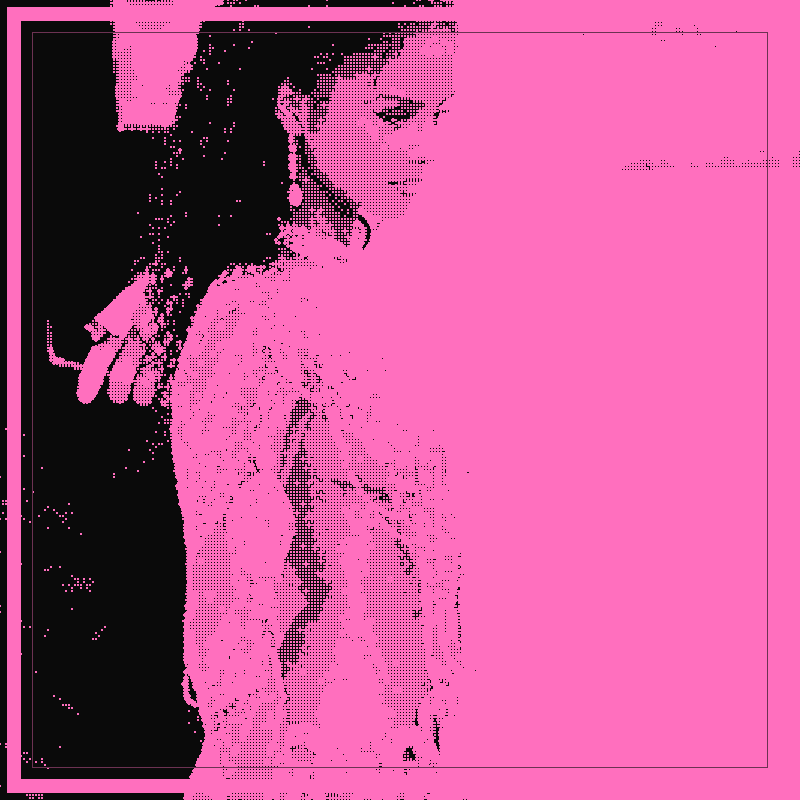
What the numbers say: Culture 90 / Influence 86 — the breakout face of amapiano's global moment. Studio Craft 88 — a sleek, dance-forward Afro-pop sound. Identity 90 — a magnetic star presence. Catalog 74 — early, with a huge ceiling.
The run: 2023–24 — Water becomes a global smash and she wins the first-ever Grammy for Best African Music Performance. A genre and a country got their worldwide ambassador.
Eye test: A scene's global breakthrough star. The cultural-export number tells it.
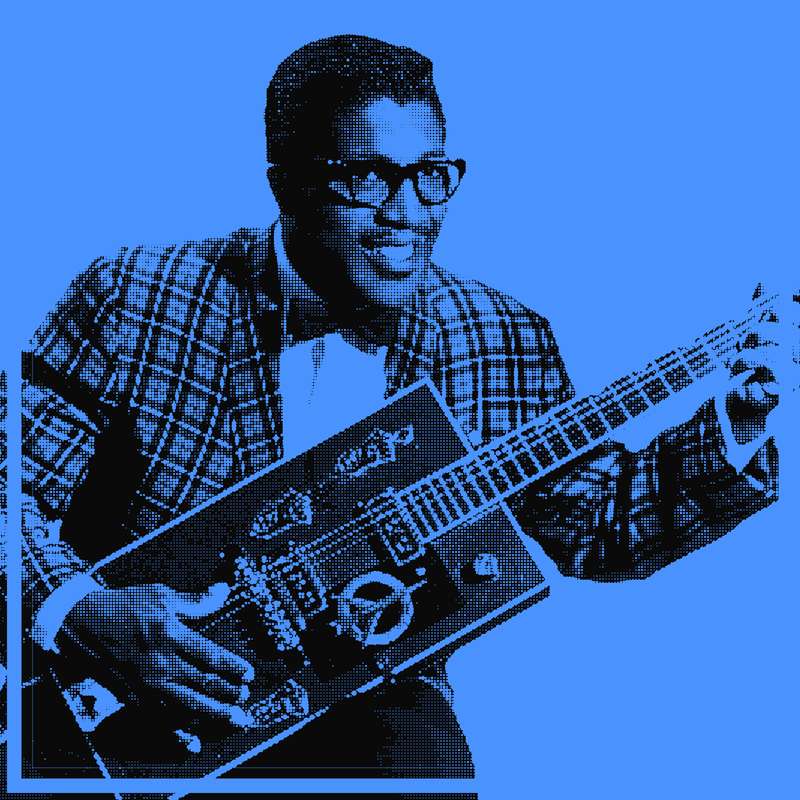
What the numbers say: Influence 96 — the "Bo Diddley beat" (bomp-ba-bomp-ba-bomp) is one of the most borrowed rhythmic patterns in all of popular music. Identity 95 — the square guitar, the shades, the swagger. Commercial 76 — never a massive seller, which is the gap between inventing the language and cashing in on it.
Decade by decade: 1955 — "Bo Diddley" / "I'm a Man" introduces a rhythm that Buddy Holly, The Stones, U2, and a thousand others would lift. 1960s onward — endlessly sampled and covered while the checks mostly went elsewhere. He spent decades reminding people he built the floor they danced on.
Eye test: Clap the beat. Everyone in the room knows it. That's immortality most superstars never reach.

What the numbers say: Performance 96, Peaks 90, Identity 95. Eruption is the dividing line in rock guitar — everything before it and everything after it. Jump hit #1 and proved a keyboard hook could coexist with the heaviest guitar tone in rock. The David Lee Roth era and the Sammy Hagar era are essentially two different bands, both commercially dominant. Commercial 88 reflects 80 million in sales. The weakness is Songwriting 72 — the riffs were iconic but the lyrics were party-rock filler more often than not. The strength is that Eddie's playing was so revolutionary it elevated the entire instrument.

What the numbers say: Commercial 95, Performance 98, Peaks 88. She is the only artist with #1 albums in six consecutive decades. The Way We Were and Evergreen are two of the most performed songs in American popular music. Funny Girl made her a movie star; Yentl and The Prince of Tides made her a director. RIAA certifications exceed 68.5 million in the US alone. The weakness is Influence 70 — her style was so singular and technically demanding that it didn't spawn imitators the way Aretha or Whitney did. The strength is that no one else needed to copy her because no one else could.
What the numbers say: Songwriting 95 — Alex Turner is the best rock lyricist of his generation. I Bet You Look Good on the Dancefloor to Do I Wanna Know to Four Out of Five — a range across seven albums that keeps expanding. Whatever People Say I Am broke UK debut album sales records in 2006. AM is one of the ten best rock albums of the 2010s. Do I Wanna Know is one of the most recognizable guitar riffs of its era. They reinvented themselves on every album without losing the thread. The catalog is still being written. The early evidence suggests it belongs on this card permanently.
What the numbers say: Studio Craft 95 — Martin Gore and Alan Wilder built soundscapes with synthesizers that nobody else had thought to build. Violator — Personal Jesus, Enjoy the Silence, Policy of Truth — is a perfect album. 100 million records sold. They filled Rose Bowl stadium in 1988 — the first electronic act to headline a venue that size. Influence 93 — Nine Inch Nails, Marilyn Manson, every industrial and dark electronic act acknowledges them. Dave Gahan nearly died of a drug overdose in 1996 and came back and they kept making records. The records kept being good.

What the numbers say: Versatility 88 / Songwriting 88 — a genuinely elastic talent who moves between rap, pop, and R&B with ease. Performance 88 — a magnetic, theatrical presence. Catalog 74 — the breakthrough mixtape is recent; the full body of work is still arriving.
The run: 2020–22 — Yucky Blucky Fruitcake and a TDE signing build buzz. 2024 — Alligator Bites Never Heal wins the Grammy for Best Rap Album and Anxiety goes viral. A critical coronation ahead of full mainstream saturation.
Eye test: One of the most naturally versatile new artists on the board. Built to last.

What the numbers say: Culture 90 / Influence 88 — the face of regional Mexican's worldwide explosion. Commercial 90 — Ella Baila Sola and a flood of hits put corridos on the global Hot 100. Identity 90 — the raspy voice and the genre-fusion are his calling card.
The run: 2022–23 — Génesis and a string of collabs make corridos tumbados a global phenomenon; he becomes one of the most-streamed artists on earth. A breakthrough that opened the door for an entire scene to cross over.
Eye test: A genre's global ambassador. The cultural-import number is the whole story.

What the numbers say: Studio Craft 94 / Culture 92 — a master curator whose psychedelic, auto-tuned, maximalist productions defined a sound. Identity 94 — 'rage,' the Astroworld world-building, the brand empire. Influence 92 — the template for the modern rap-star-as-experience.
The run: 2018 — Astroworld and Sicko Mode (No. 1) make him a generational headliner. 2023 — Utopia debuts at No. 1. His career also carries the weight of the 2021 Astroworld festival tragedy, which the legacy can't be separated from.
Eye test: An era-defining curator and showman with a profile that the model scores in full, complications included.

What the numbers say: Songwriting 95 — one of the three or four best pure lyricists in hip hop right now. 2014 Forest Hills Drive debuted number one with no features, no singles, and no radio push — sold out of pure word of mouth and reputation. He dissed Kendrick Lamar in 7 Minute Drill then publicly apologized and retired the beef. That level of self-awareness is almost nonexistent in rap. He went to play professional basketball in Africa on a sabbatical from music and came back. The man does exactly what he wants at all times. The music is always there when he returns to it.
What the numbers say: Performance 99 — the voice and the dancing together make him one of the five greatest pure R&B performers of his generation. Confessions Part II is one of the boldest album sequels in R&B — publicly confessing to infidelity over a Lil Jon beat and selling 20 million copies because the music was that good. Yeah! spent twelve weeks at number one. He discovered Justin Bieber. That alone changes pop music history by a decade. The Super Bowl 2024 halftime show silenced everyone who thought he was past his prime. He wasn't.

What the numbers say: Songwriting 90 — sharp, literary, place-rooted writing. Peaks 90 — Stick Season became a generational folk anthem. Culture 84 — helped lead a folk-pop revival. Commercial 88 — the slow-burn turned into a juggernaut.
The run: 2017–21 — builds a career as a singer-songwriter. 2022– 23 — Stick Season explodes on TikTok and beyond, turning him into an arena act. The authenticity translated to massive scale.
Eye test: Folk earnestness at pop scale. The writing carries the whole card.
What the numbers say: Songwriting 92, Influence 97. Rakim's innovation was technical: he moved the rhyme off the end of the bar and into the middle of it, introduced complex multi-bar schemes, and delivered everything with a cool, unhurried flow that sounded effortless and was the opposite of that. Paid in Full (1987) and Follow the Leader (1988) are the textbooks. Jay-Z, Nas, Biggie, Eminem — all explicitly cite Rakim as the primary technical influence. Influence 97 is the highest influence score for a non-household-name in this system, and it is accurate. Commercial 62 and Peaks 72 reflect a duo that achieved enormous critical and peer respect without mainstream radio dominance. Catalog 68 is four albums between 1987 and 1992 before the partnership dissolved. The influence is entirely disproportionate to the commercial footprint.
Career arc: 1985–1992. 4th & B'way / MCA Records. Paid in Full (1987). Follow the Leader (1988). Let the Rhythm Hit 'Em (1990). Don't Sweat the Technique (1992). Partnership dissolved 1992. Rakim solo career followed. Rock and Roll Hall of Fame 2021.

What the numbers say: Commercial 92 is the card. In the Air Tonight, Sussudio, Another Day in Paradise, You Can't Hurry Love, Against All Odds — seven US Top 10 singles in the 1980s alone. He played drums on Peter Gabriel's Intruder, invented the gated reverb drum sound that defined 1980s production, and then used that sound on his own records. Two separate careers — Genesis and solo — both at commercial peak simultaneously. Flew Concorde on Live Aid day to play both the London and Philadelphia shows, the only performer to appear at both. Culture 72 and Influence 72 are honest: his cultural footprint is smaller than his commercial one. He dominated the charts without defining a genre or moment the way other artists at his sales level did. Still: 150 million records sold across Genesis and solo.
Career arc: 1970–present. Atlantic Records (solo). Face Value (1981) — In the Air Tonight. Hello, I Must Be Going! (1982). No Jacket Required (1985) — Grammy Album of the Year. But Seriously (1989) — Another Day in Paradise, #1 in 15 countries. Both Sides (1993). Tarzan soundtrack (1999). Not Dead Yet tour 2017–2020. Genesis reunion 2021. Rock and Roll Hall of Fame 2010 (with Genesis).

What the numbers say: Peaks 92 / Commercial 92 — A Bar Song (Tipsy) tied the record for most weeks atop the Hot 100. Culture 88 — central to country's expanding, diversifying mainstream moment. Catalog 76 — the breakthrough is recent.
The run: 2024 — A Bar Song (Tipsy) and a Beyoncé Cowboy Carter feature make him a star at the center of a genre conversation. A long-building career that detonated all at once.
Eye test: A record-tying smash and a cultural moment. The breakout of 2024's country wave.

What the numbers say: Identity 90 — the flat, menacing monotone is unmistakable. Influence 86 — a defining voice of the late-2010s Atlanta sound. Songwriting 84 — a sneaky-sharp writer whose 'a lot' won a Grammy and showed real depth under the ice.
The run: 2016 — Savage Mode with Metro Boomin sets the template. 2018 — i am > i was and the immigration scare that nearly deported him. 2022 — Her Loss with Drake debuts at No. 1, cementing his place at the top tier.
Eye test: Started as an aesthetic, became an artist. Consistent and culturally central.

What the numbers say: Identity 94 / Culture 90 — pure charisma and a rags-to-riches arc that made her a phenomenon. Peaks 90 — Bodak Yellow hit No. 1 and Invasion of Privacy is a genuinely strong debut. Catalog 70 — the lowest number: years between projects keep the body of work thin.
The run: 2017 — Bodak Yellow goes No. 1, a historic moment for women in rap. 2018 — Invasion of Privacy wins the Grammy for Best Rap Album. The hits (WAP, Up) kept landing while a full second album kept not arriving.
Eye test: Personality and peak both elite; the catalog is the only thing holding the score down.

What the numbers say: Commercial 88 — Without Me hit No. 1 and the Chainsmokers feature Closer was a streaming monster. Songwriting 86 — confessional, identity-forward, genuinely personal. Versatility 84 — pop, alt-rock (a Trent Reznor-produced album), and synth-pop all in one career.
The run: 2015 — Badlands launches an alt-pop concept artist. 2018–20 — Without Me and Manic make her a mainstream star on her own terms. She kept reinventing the sound while keeping the diary open.
Eye test: Mainstream reach without losing the outsider voice. The honest-pop card.

What the numbers say: Influence 92 — the literal originator of corridos tumbados, the trap-and-requinto fusion that took over. Songwriting 86 — built a new template that an entire genre now follows. Culture 88 — the movement he started reshaped Latin music.
The run: 2019 — Corridos Tumbados names and launches the genre. Early 2020s — his style becomes the dominant sound in regional Mexican, with Peso Pluma and others building on his foundation. The architect of the wave, even as others sold more.
Eye test: Originator status is the whole card. The blueprint number is the highest here for a reason.
What the numbers say: Influence 92 / Identity 94 — the 'baby voice,' the vampiric WLR aesthetic, and the rage sound shaped a whole generation of underground rap. Culture 90 — a genuine cult artist whose drops are events. Songwriting 80 — minimal lyrics by design; vibe is the message.
The run: 2017–18 — Carti and Die Lit make him an underground god. 2020 — Whole Lotta Red splits fans on arrival, then becomes a hugely influential blueprint for rage music. Endless delays only deepen the devotion.
Eye test: Less a discography than a movement. Influence per word released is off the charts.
What the numbers say: Performance 100, Identity 100. The voice is incomparable — warm, unhurried, intimate. She sounds like late nights and expensive wine and complicated feelings. Six studio albums across forty years. Each one sounds like Sade and nothing else. 75 million records sold without ever being particularly fashionable or unfashionable — she exists outside trend. Smooth Operator is still on every adult contemporary playlist on earth. No Ordinary Love is one of the greatest adult R&B songs ever recorded. The catalog is thin and the identity is total. That combination belongs on this card.

What the numbers say: Influence 90 — a major figure in the genre-blurring SoundCloud wave whose style echoes widely. Commercial 88 — SAD! hit No. 1 and the streaming numbers were immense. Catalog 76 — a brief career cut short. The legacy is inseparable from serious off-record controversy, which the model does not score away.
The run: 2017–18 — 17 and ? make him a streaming force, swinging from rap to emo to acoustic in a single tracklist. He was killed in June 2018 at 20. The numbers and the controversy both remain large.
Eye test: Genre-fluid talent and a deeply troubled story. A complicated card any honest system has to hold both halves of.
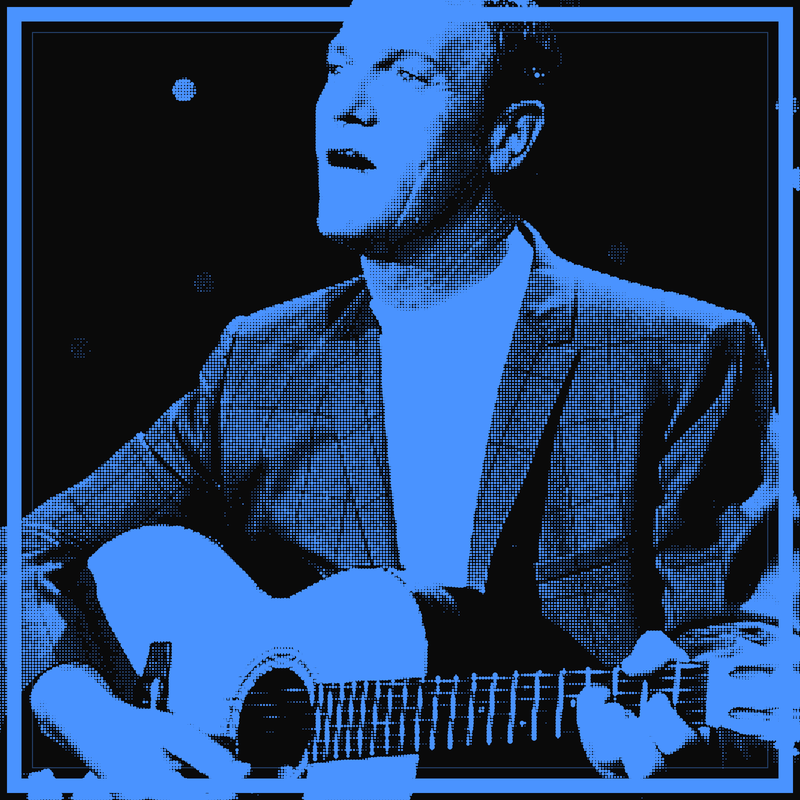
What the numbers say: Commercial 95 — an estimated 85–145 million records and 28 No. 1 country hits, numbers that rival anyone on this board. Catalog 92 — a six-decade run of consistency. Culture 80 — the gap: "countrypolitan" smoothness ages into the background where rebels age into legend.
Decade by decade: 1940s–50s — the "Tennessee Plowboy" dominates country radio. 1960s — reinvents as a tuxedo'd Nashville Sound crooner with "Make the World Go Away," crossing fully into pop. He outsold nearly everyone and out-edged almost no one.
Eye test: Pure sales-and-craft greatness with the cultural temperature turned all the way down. The numbers card.

What the numbers say: Songwriting 88 — intimate, conversational, deeply personal writing. Peaks 90 — That's So True became a smash. Commercial 88 — a Taylor Swift tour slot and streaming momentum turned the whispery aesthetic into mass appeal.
The run: 2020–23 — EPs and Good Riddance build a devoted base. 2024 — The Secret of Us and That's So True make her a mainstream pop star. The slow-burn confessional approach finally caught fire.
Eye test: Intimacy scaled up to stadiums. A modern singer-songwriter breakout.

What the numbers say: Catalog 86 — deep, prolific, and remarkably consistent across a long run. Influence 86 — a foundational figure in Chicago drill's melodic evolution. Identity 88 — the pained, soulful, survivor's voice of the city.
The run: 2010s — an early Chicago drill mainstay who weathered enormous personal loss. 2020–22 — The Voice, Laugh Now Cry Later (with Drake), and 7220 (No. 1) make him a superstar. Longevity and evolution define the career.
Eye test: Durability and growth. One of the few from his scene's first wave still at the top.

What the numbers say: Influence 90 / Identity 92 — that gravelly, commanding growl defined Brooklyn drill and exported it worldwide. Peaks 88 — Shoot for the Stars, Aim for the Moon was a posthumous No. 1. Catalog 74 — the cruelest number: he died at 20 with most of the story unwritten.
The run: 2019 — Welcome to the Party and Dior make him the face of a movement. February 2020 — killed in a home invasion at 20. His posthumous debut topped the chart and Dior became an anthem. The influence kept spreading without him.
Eye test: A genre's founding voice taken at the threshold of stardom. Impact far beyond the short catalog.

What the numbers say: Performance 90 — a huge, genre-crossing soul voice. Peaks 90 / Commercial 90 — Lose Control was one of the longest-charting hits of its era. Catalog 78 — building behind the breakout.
The run: late 2010s — viral covers across genres build a following. 2023–24 — Lose Control climbs for over a year to No. 1. A voice-first artist whose breakout rewarded patience.
Eye test: The voice is the product, and it's a great one. Soul-pop done right.
What the numbers say: The 2006–2009 run — No Ceilings, Da Drought 3, Tha Carter III — is one of the most dominant periods any rapper has had. A Milli was recorded in one session. He released hundreds of mixtape tracks during those years that were better than most rappers' album cuts. Tha Carter III sold one million copies in its first week. Influence 93 — Drake, Nicki Minaj, and a generation of rappers were directly signed to or influenced by Young Money. He gave Drake a platform. That alone changes hip hop history. The back half of the catalog doesn't match the peak. The peak was undeniable.

What the numbers say: Performance 97 — the voice and the piano simultaneously at that level is genuinely rare. Fallin' was inescapable in 2001. No One, If I Ain't Got You, Girl on Fire — she has had massive singles across three decades without a catastrophic failure. Grammy Award host multiple times — she was born to occupy the center of that room. Empire State of Mind with Jay-Z is one of the defining New York songs of the 2000s. The catalog is solid and the voice is one of the great R&B instruments of her generation. The card is honest about where the ceiling sits.

What the numbers say: Performance 100, Identity 99. The beehive, the winged eyeliner, the voice that sounded fifty years old coming out of a twenty-three-year-old. Back to Black won five Grammy Awards in one night — Album of the Year, Record of the Year, Song of the Year, Best New Artist, Best Pop Vocal Album. Rehab is one of the most perfectly constructed pop songs of the 2000s. Catalog 52 is not a penalty. It is the tragedy. Two albums. She died before the third one happened. The influence is real — Adele, Duffy, Lana Del Rey, every neo-soul and retro-pop artist of the 2010s built on what she made with Mark Ronson in 2006.

What the numbers say: Performance 100, Identity 100. The reds on this card are honest — she died at 27, left three studio albums, didn't write most of her own material. The card is not about songwriting. It is about a voice that was a force of nature. Piece of My Heart at Monterey Pop 1967 — one of the greatest live vocal performances ever captured on film. Me and Bobby McGee was released posthumously and went to number one. She never heard it on the radio. The influence is real — every female rock vocalist who came after her felt the gravitational pull of what she did with raw feeling.
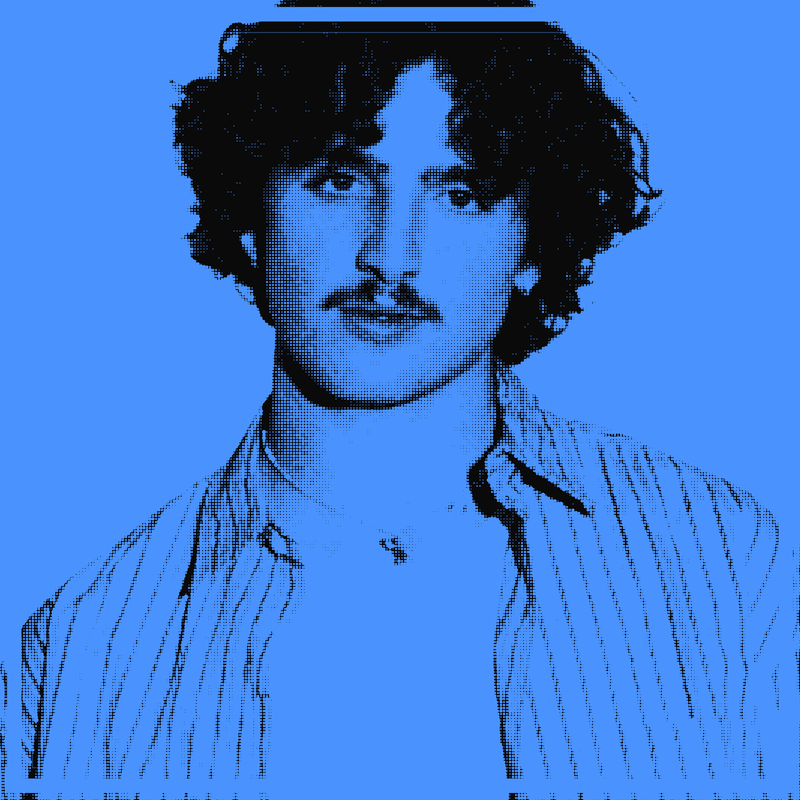
What the numbers say: Performance 90 — a powerhouse voice and an acrobatic, attention-grabbing live show. Peaks 90 / Commercial 90 — Beautiful Things was a global, year-defining smash. Catalog 76 — still early in the discography.
The run: 2021 — an Idol audition and a viral start. 2024 — Beautiful Things and Fireworks & Rollerblades make him a household name. The voice and the spectacle arrived fully formed.
Eye test: Big-voice, big-show pop. The breakout was loud in every sense.
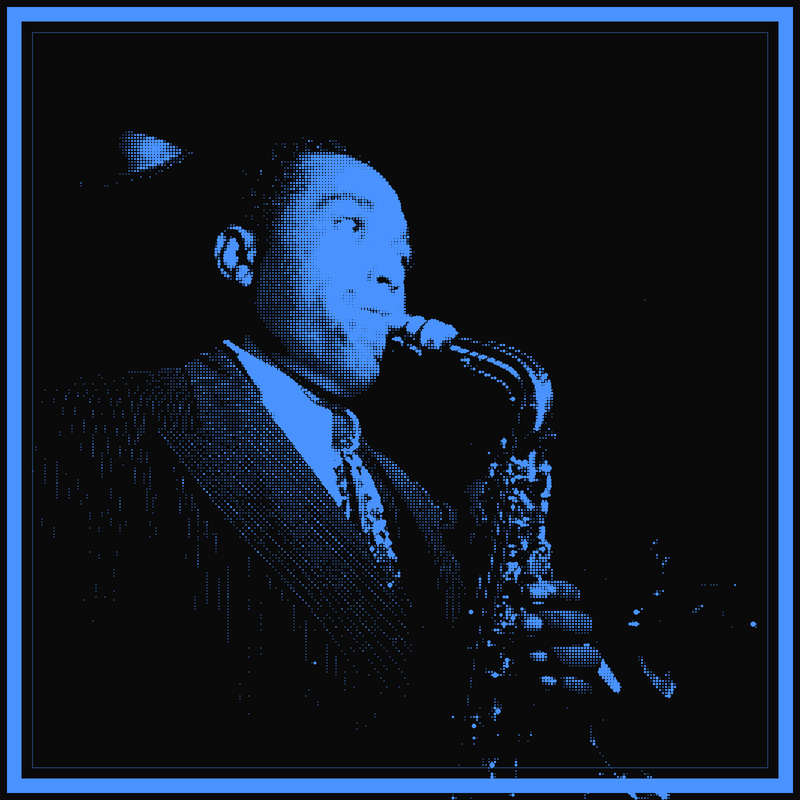
What the numbers say: Performance 100, Influence 100, Identity 100. Charlie Parker co-invented bebop and changed jazz forever. His harmonic and rhythmic innovations on alto sax — Ko-Ko, Ornithology, Now's the Time — are the foundation of modern jazz. Dead at 34, he compressed a revolution into fifteen years. Bird lives.

What the numbers say: Influence 93 — a foundational Sun Records architect whose guitar runs The Beatles studied note for note. Songwriting 90 — "Blue Suede Shoes" is a top-tier rock standard he wrote himself. Catalog 76 — a car wreck at the peak moment stalled the career just as it ignited, and Elvis took the crown.
Decade by decade: 1956 — "Blue Suede Shoes" hits the pop, country, and R&B charts at once; days later a near-fatal crash sidelines him while Elvis covers the song on national TV. 1960s — The Beatles record three of his songs and call him a hero. He never got the throne, but everyone who did knew his name.
Eye test: The man other rock-and-roll men bowed to. That's a different kind of greatness than fame.
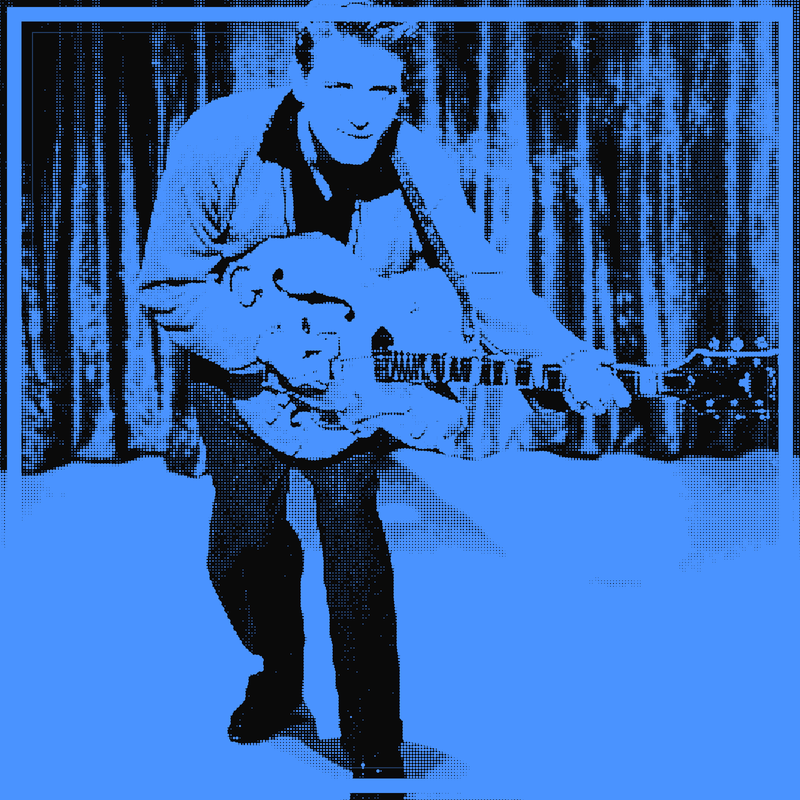
What the numbers say: Influence 92 — The Who, The Stones, and a generation of UK guitarists covered him and copied him. Songwriting 88 — "Summertime Blues" and "C'mon Everybody" are teenage-frustration anthems built like watch movements. Catalog 70 — the only weakness, and it's the cruelest kind: he was 21 when the taxi crashed.
Decade by decade: 1957–60 — a short, blazing run of rockabilly singles that punched far above their chart position. April 1960 — killed in a car crash in England while on tour; the same crash badly injured Gene Vincent. The legend froze in place at full speed.
Eye test: Play "Summertime Blues" next to anything from 1960. It still sounds like it's kicking the door in.

What the numbers say: Identity 97 — the Kangol hat, the Adidas, the lip lick, the shirtless torso. He created the template for the rap sex symbol and every male rapper who came after him owes something to that template. Radio debuted at number one in 1985 — the first rap album to do that. Mama Said Knock You Out was his comeback record in 1990 after people wrote him off. I Need Love was the first rap ballad. He was always first at something. Twelve studio albums across thirty years without a major artistic failure. That sustained consistency is the whole card.
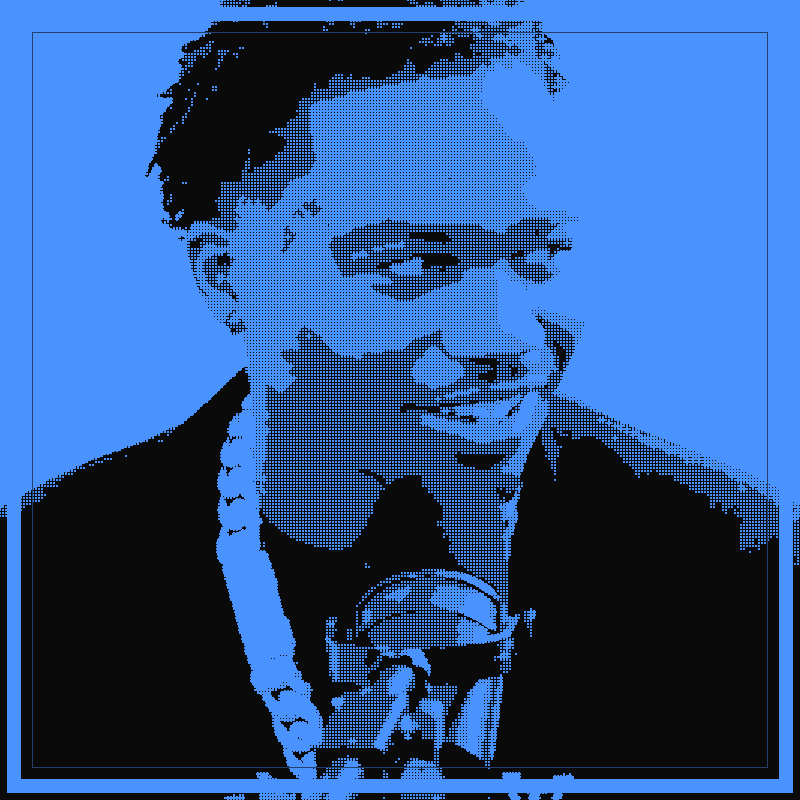
What the numbers say: Peaks 92 — The Box spent eleven weeks at No. 1 and Please Excuse Me for Being Antisocial topped the album chart. Commercial 90 — that peak was enormous. Catalog 76 — the follow-up never matched it, and the momentum cooled fast.
The run: 2019–20 — Please Excuse Me and The Box make him a superstar overnight. The 'ee-er' ad-lib became inescapable. Subsequent projects underperformed relative to that towering peak, defining the shape of the career.
Eye test: One of the great singles of the era and a hard act to follow. The peak-vs-catalog card.

What the numbers say: Songwriting 86 / Peaks 88 — Rapstar topped the Hot 100 and The Goat showed real melodic range. Commercial 88 — a streaming reliable with a knack for the radio-ready hook. Versatility 78 — the lane is melodic-pain-rap and he rarely leaves it.
The run: 2019 — Die a Legend and Pop Out announce him. 2021 — Rapstar debuts at No. 1 on the Hot 100, the commercial peak. One of the steadier melodic voices to come out of Chicago's drill ecosystem.
Eye test: A clean melodic instinct over street content. Dependable hits, defined ceiling.
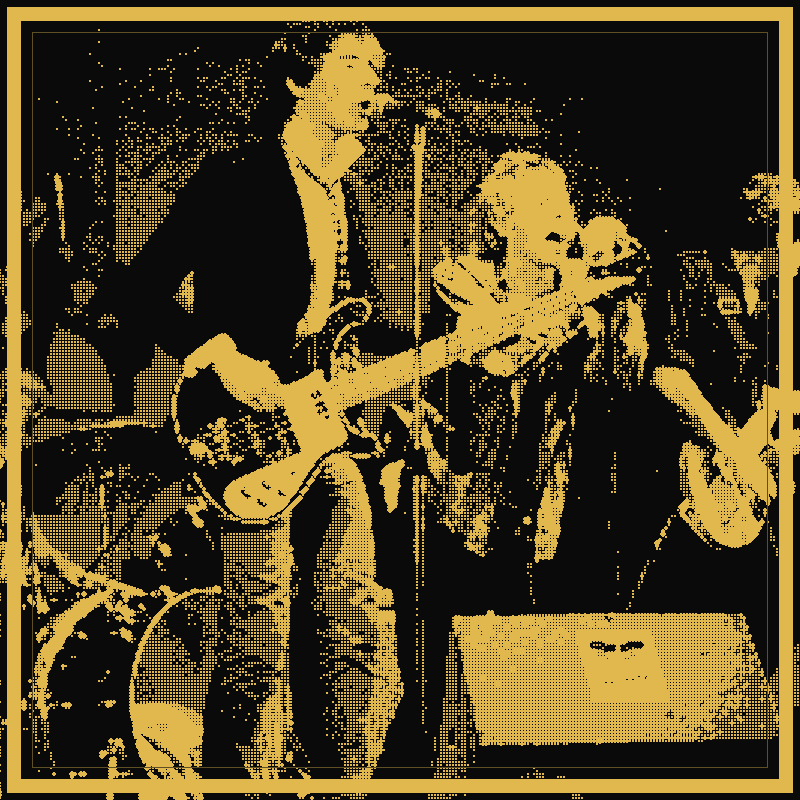
What the numbers say: Influence 97 / Culture 96 — "Never Mind the Bollocks" is one of the most consequential records ever made; punk and everything downstream starts here. Identity 96 — Johnny Rotten's sneer is a permanent cultural symbol. Catalog 60 — the lowest number, and entirely the point: they made one album and meant it.
Decade by decade: 1976–78 — "Anarchy in the UK" and "God Save the Queen" scandalize Britain; they implode on a US tour within two years. The whole career is shorter than some artists' single album cycles, and it reshaped everything.
Eye test: The purest impact-vs-output card on the board. Almost no catalog, almost unlimited consequence.

What the numbers say: Songwriting 92 / Peaks 94 — drivers license, good 4 u, and the whole of SOUR fused pop and pop-punk into an instant phenomenon. Performance 90 — a genuine vocal and emotional presence at 18. Catalog 78 — only two albums, both enormous.
The run: 2021 — drivers license breaks streaming records out of the gate and SOUR makes her a superstar. 2023 — GUTS confirms it wasn't a fluke, deepening the rock influence. The fastest pop arrival in years.
Eye test: A debut that landed like a thunderclap. The ceiling is somewhere out of frame.

What the numbers say: When We All Fall Asleep, Where Do We Go? won every major Grammy in 2020 — she swept Album, Record, Song, and Best New Artist. She became the youngest person in history to win all four in the same year. What Was I Made For? from the Barbie soundtrack won another Oscar and Grammy. Identity 99 — the green hair, the baggy clothes, the whisper-singing aesthetic. She built a visual language that an entire generation adopted. The catalog is short because she is young. The early evidence is extraordinary. Versatility 49 is honest — she works in a narrow emotional and sonic register. That register is completely her own and nobody else occupies it the same way.

What the numbers say: Performance 88 — a genuine triple-threat with dance at the center of the show. Commercial 88 / Peaks 88 — Greedy and exes are slick, sticky pop hits. Versatility 84 — confident across breakup ballads and dance-pop bangers.
The run: 2020 — you broke me first goes viral. 2023–24 — Think Later and Greedy turn her into a full pop star with the live show to back it. The dance background gives the performances an edge most of her peers lack.
Eye test: A performer first. The show is the selling point and it's a good one.
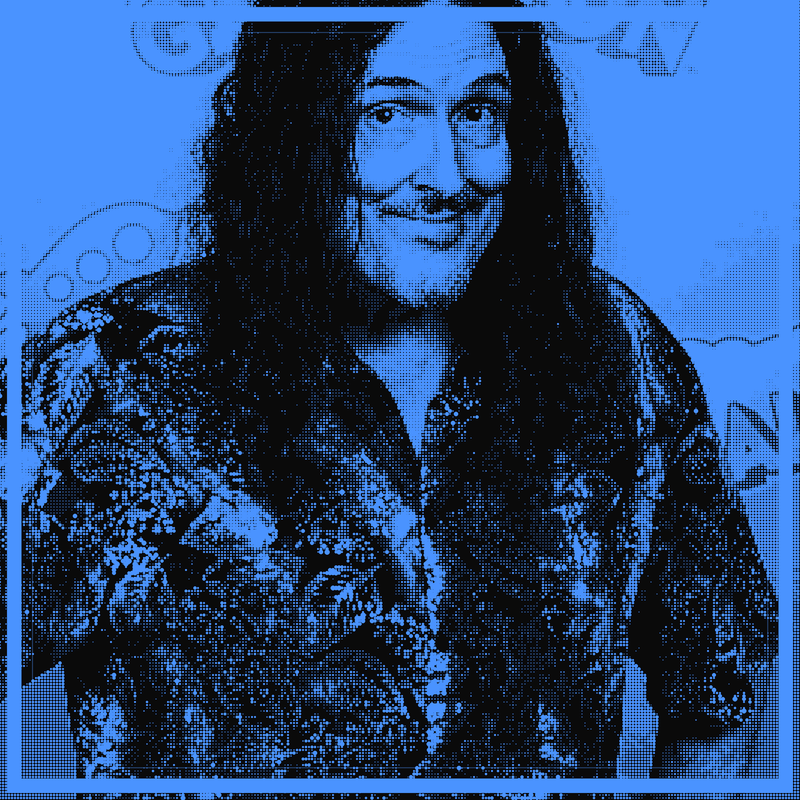
What the numbers say: Songwriting 100, Identity 100, Versatility 96. "Weird Al" Yankovic is the undisputed king of musical parody — Eat It, Like a Surgeon, Amish Paradise, White & Nerdy. His syllable-perfect rewrites and genre-hopping mastery are a craft unto themselves. The best-selling comedy recording artist ever, beloved across five decades. Influence 80 is honest — he's gloriously one of a kind.
What the numbers say: Identity 90 — a bouncy, percussive, instantly recognizable flow and a magnetic personality. Peaks 88 — Rockstar hit No. 1 during a remarkable hot streak. Culture 80 — a 2021 controversy stalled a once-unstoppable run.
The run: 2019–20 — Baby on Baby, Blame It on Baby, and a feature run that put him on seemingly every hit. 2021 — public backlash over festival comments cut the momentum sharply. The talent was never in question; the trajectory bent.
Eye test: A blinding peak and a cautionary tale. The charisma was real and the timeline got cut short.
What the numbers say: Identity 100 — the bullet holes, the backstory, the beef with Ja Rule, the Vitamin Water deal, the bankruptcy, the rise again. 50 Cent as a brand is one of the most carefully constructed identities in hip hop. Get Rich or Die Tryin' is one of the ten best debut rap albums in history. In da Club is a perfect rap single. Eminem and Dr. Dre co-signed him and the cosign was not wasted. The catalog falls off sharply after the first two albums. Commercial 91 is the honest number for the peak. The peak was real and it was enormous.

What the numbers say: Identity 92 — the definitive Sunset Strip glam-metal band, image and chaos inseparable from the music. Commercial 88 — "Dr. Feelgood" and "Shout at the Devil" moved enormous numbers. Versatility 74 — they did one thing, loud, and rarely strayed from it.
Decade by decade: 1981–83 — explode out of LA with "Too Fast for Love" and "Shout at the Devil." 1989 — "Dr. Feelgood" hits No. 1, the commercial peak. 1990s — grunge wipes out the genre overnight, and the band becomes the era's loudest cautionary tale and survivor story.
Eye test: If the 80s metal scene were a single organism, this is it. Pure-decade greatness, narrow but total.

What the numbers say: Identity 92 / Influence 88 — the 'Twizzy' bells, the invented vocabulary, and the rage sound are wildly distinctive and widely copied. Studio Craft 90 — a genuinely new sonic palette. Songwriting 80 — vibe and texture over traditional lyricism.
The run: 2021 — Turban and Money So Big go viral and Up 2 Më breaks him out. 2022–24 — Lyfë and 2093 push the sound toward maximalist experimentation. He built a whole aesthetic dialect that the underground adopted wholesale.
Eye test: A true original. Few artists this young have a sound this immediately identifiable.

What the numbers say: Performance 89 — a powerhouse, theater-trained voice. Identity 88 — a confident, openly queer pop persona. Peaks 86 — Snow Angel and Too Well establish her. Catalog 76 — early in the pop run.
The run: 2019–22 — Broadway and Mean Girls / Sex Lives of College Girls fame. 2023–24 — Snow Angel and a high-profile rise make her one of pop's most-watched new names. The voice was never in doubt.
Eye test: Star-sized voice and ambition. The trajectory points up.

What the numbers say: Commercial 88 — multiple platinum albums and arena tours across Spain and Latin America. Performance 88 — a polished, dance-forward pop star. Influence 78 — the lowest number, reflecting a regional rather than global reach.
The run: 2017 — breaks out on Operación Triunfo. 2018–24 — Spoiler, 11 Razones, and Alpha make her a Spanish-language pop powerhouse. A dominant figure in her market, less known in the US.
Eye test: A regional superstar. Big where she's big; the global number is the cap.
What the numbers say: Commercial 88 — Bebe Dame and a flood of hits made them one of the biggest regional Mexican acts. Identity 88 — the raw, party-and-pain corridos energy. Influence 84 — a driving force in the genre's mainstream explosion.
The run: 2022–24 — a relentless run of hits and collaborations rides the corridos tumbados boom to global charts. Prolific, loud, and commercially dominant within the scene that took over Latin music.
Eye test: The volume-and-commerce engine of the corridos wave. Built to sell out.
What the numbers say: Identity 100 — the Confederate flag controversy is inseparable from the card and the card holds it honestly. Sweet Home Alabama is one of the five most recognized guitar riffs in rock history — written as an answer to Neil Young's Southern Man and still on every classic rock station every day fifty years later. Ronnie Van Zant died in a plane crash in 1977 along with two other band members. The band continued with his brother Johnny. Free Bird at ten minutes live is the greatest southern rock moment ever captured on tape. The catalog is limited and the peak was real and enormous.
What the numbers say: Performance 86 — relentless, shout-from-the-rooftops Philadelphia energy. Culture 86 — his probation ordeal made him the face of criminal-justice reform in hip-hop. Identity 88 — the Dreams and Nightmares intro is a permanent locker-room anthem.
The run: 2012 — Dreams and Nightmares delivers the intro that outlived everything else. 2017–18 — a probation violation and prison sentence spark a national reform movement. 2018 — Championships debuts at No. 1, the comeback complete.
Eye test: One immortal record and a real-world impact bigger than the discography.

What the numbers say: Performance 86 / Studio Craft 86 — a smooth, soulful blend of trap, R&B, and pop. Culture 84 / Influence 82 — a leading figure in the Argentine and broader Latin scene. Identity 86 — a distinctive, understated star presence.
The run: 2019 — Wapo Traketero breaks her out as a teen. 2020– 24 — Recuerdos and Alma plus high-profile collabs make her a Latin-music mainstay. A steadily rising regional star with crossover potential.
Eye test: Respected and ascending in the Latin scene. Real artistry, growing reach.

What the numbers say: Culture 92, Identity 95, Performance 90. The Grammy for Twice as Tall in 2021 was the breakthrough moment for Afrobeats as a globally recognized genre. Last Last sampled Toni Braxton and became a worldwide crossover hit. His stadium tours — including a sold-out show at London Stadium — proved Afrobeats could fill arenas outside of Africa. Commercial 72 reflects that the streaming numbers are massive but RIAA certifications haven't caught up to the global reality yet. The weakness is catalog depth — three essential albums so far. The strength is that he's the face of an entire continental music movement going global in real time.

What the numbers say: Commercial 90, Peaks 88. They are the best-selling duo in American music history — not rock duo, not pop duo, overall. Rich Girl, Kiss on My List, Private Eyes, Maneater, Out of Touch, I Can't Go for That — the hit list is relentless. I Can't Go for That became one of the most sampled songs in hip-hop. The weakness is Influence 68 — they perfected blue-eyed soul but the lane they dominated didn't produce a next generation. The strength is that the records hold up: the production is clean, the hooks are bulletproof, and the samples keep finding new audiences.

What the numbers say: Commercial 90 / Peaks 88 — What's Poppin and First Class (a sampled No. 1) made him a pop-rap star. Influence 78 — the lowest number, reflecting a polarizing critical reception. Identity 86 — likeable, media-savvy, built for crossover.
The run: 2020 — What's Poppin breaks him out. 2022 — First Class tops the Hot 100 and Come Home the Kids Miss You makes him a headliner. The 'is he overrated' debate has trailed every success, which keeps his name in the conversation either way.
Eye test: Real commercial reach wrapped in a credibility argument. The likeable-but-debated card.

What the numbers say: Identity 88 — the tattooed, weed-friendly, easygoing persona is rock-solid. Commercial 88 — Black and Yellow (No. 1) and See You Again (one of the best-selling songs ever) bookend a huge career. Versatility 78 — the lane is comfortable and narrow.
The run: 2010 — Black and Yellow turns a Pittsburgh sports anthem into a national No. 1. 2015 — See You Again, the Furious 7 tribute, becomes a streaming colossus. Between them, a steady stream of stoner-rap consistency.
Eye test: Two monster singles and an unmistakable vibe. Dependable rather than groundbreaking.

What the numbers say: Songwriting 86 — relatable, diaristic pop writing. Identity 86 — a distinctive aesthetic and an intensely loyal fanbase. Peaks 86 — Heather and Maniac are streaming staples. Catalog 80 — consistent and building.
The run: 2018–20 — a YouTube following becomes Kid Krow and Heather. 2022–24 — Superache and Found Heaven deepen the catalog. A steadily climbing pop career built on connection.
Eye test: Diary-pop with a fervent base. Reliable and rising.

What the numbers say: Commercial 95, Peaks 92. Purpose was the commercial peak — Sorry, What Do You Mean?, Love Yourself all hit #1 or near it. RIAA certifications exceed 75 million singles units. He was the proof of concept that the internet could manufacture a traditional pop star without traditional gatekeepers. The weakness is Songwriting 65 — the hits were largely co-written with Max Martin, Skrillex, and a rotating cast of A-list producers. The strength is Versatility 80 and the pivot from teen pop to R&B to EDM-pop to gospel without losing the audience.

What the numbers say: Songwriting 84 — a punchline-heavy, ad-lib-pioneering style (the 'boi' tag, the double-entendre cadence). Commercial 86 — multiple No. 1 albums and steady radio presence. Catalog 84 — consistent and deep without a single undeniable classic.
The run: 2011 — Finally Famous launches the G.O.O.D. Music signee. 2015–17 — Dark Sky Paradise and I Decided both hit No. 1. The 'underrated' debate became his actual brand, which says something either way.
Eye test: The definition of solid. No peak high enough to silence the argument, no valley low enough to end it.

What the numbers say: Identity 100 — the hair, the thrift store clothes, the Queens accent, the orange extensions. She was completely herself at a time when pop demanded that women be a certain kind of thing and she was a completely different kind of thing and it worked. She's So Unusual was the first debut album to produce four top five singles simultaneously. Time After Time has been covered more than almost any other song of the 1980s. She wrote the book for Kinky Boots on Broadway and won the Tony. The range of accomplishment across forty years is genuinely impressive. The peak was one album and that album was extraordinary.

What the numbers say: Performance 88 / Studio Craft 88 — immaculate choreography and a sleek, Western-facing R&B sound. Identity 88 — a distinct 'X-Gene' brand aimed at the global market. Catalog 76 — early in the run, built on EPs and singles.
The run: 2022–24 — Left Right, Shooting Star, and Tippy Toes build an international following with a sound closer to American R&B than typical J-pop. A meticulously designed crossover experiment that's steadily gaining traction.
Eye test: Precision-engineered for global reach. Rising, with the ceiling still being tested.

What the numbers say: Performance 100. Two reds. I Will Always Love You — best-selling single by a female artist in history. That note is the greatest vocal moment in recorded popular music. One take. No reverb. Just the voice.

What the numbers say: Songwriting 90 — intricate, emotionally precise, structurally adventurous writing. Identity 84 — an intimate, anti-spectacle aesthetic. Peaks 86 — ceilings became a sleeper streaming hit. Catalog 78 — growing steadily.
The run: 2020–24 — Give Me a Minute, five seconds flat, and Older build a devoted base. ceilings goes viral on its own quiet terms. A songwriter's songwriter finding an audience.
Eye test: Craft over flash. The writing is the reason to watch.
What the numbers say: Identity 88 — high-octane Memphis energy and a memorable persona. Peaks 86 — Shotta Flow and Walk Em Down broke him young. Commercial 84 — a streaming reliable. Versatility 78 — the lane is energetic street rap with a wellness-era detour.
The run: 2019 — Shotta Flow makes him a teen sensation. 2020 — Top Shotta and Walk Em Down establish him. He later leaned into a health-and-spirituality brand while keeping a foot in the hits.
Eye test: Big early energy and a long runway ahead. The youngest-veteran card.

What the numbers say: Studio Craft 90 / Influence 86 — a defining sonic architect of the rage movement. Identity 90 / Culture 88 — a central Opium figure with a devoted following. Songwriting 78 — the lowest number; texture and energy are the point, not bars.
The run: 2021–23 — Project X, X, and A Great Chaos make him a rage cornerstone. Built entirely on a distinctive, abrasive sound and an obsessive fanbase rather than radio play. One of the most copied underground sounds of the era.
Eye test: A sonic innovator with cult reach. The sound traveled further than the name.
What the numbers say: Identity 90 / Peaks 88 — Trap Queen and 679 made him inescapable in 2015 and proved melodic trap could rule pop radio. Catalog 70 — the cruelest number: the follow-up never came and the moment closed.
The run: 2015 — Trap Queen, 679, and My Way put three songs in the Hot 100 top ten at once, a rare feat. After that, personal and legal trouble and a fading spotlight. The peak was blinding and brief.
Eye test: A flash-fire star. The summer of 2015 belonged to him and then it was over.

What the numbers say: Peaks 86 / Commercial 86 — Big Energy was a genuine crossover smash and a top-three hit. Songwriting 82 — sharp, competitive bars. Identity 86 — the Atlanta 'Queen of Da Souf' persona, earned the hard way.
The run: 2016 — wins The Rap Game on TV. 2021–22 — Big Energy makes her a star and 777 establishes her. She outlasted the reality-TV-origin skepticism by simply making hits, which is the only way that's ever worked.
Eye test: Earned-it durability over flash. The reality-show origin became a footnote.

What the numbers say: Peaks 90 — Million Dollar Baby was one of 2024's biggest songs. Studio Craft 86 — a slick, funk-pop-rap blend. Catalog 72 — the lowest number, the question every flash-hit artist faces: what's next.
The run: 2024 — Million Dollar Baby explodes out of nowhere and dominates streaming. The challenge of converting a singular viral moment into a lasting career is the live story.
Eye test: A monster single in search of a catalog. The summer-of-2024 card.

What the numbers say: Studio Craft 86 — a sleek, fashion-forward, melodic delivery. Identity 86 — 'pushin P' became a cultural catchphrase. Influence 84 — a leading voice of the melodic-trap wave alongside his mentor Young Thug. Versatility 76 — smooth but narrow.
The run: 2019–22 — Drip or Drown 2, then DS4Ever debuts at No. 1 with the 'P' phenomenon. The YSL RICO case and his plea deal scrambled the trajectory and the discourse around him. The music kept charting through the noise.
Eye test: Elite vibe and flow, with a career narrative now impossible to separate from the courtroom.

What the numbers say: Peaks 90 / Commercial 90 — Stay (with Justin Bieber) was a massive global No. 1 and one of the biggest streaming songs of its year. Catalog 72 — still early, still building a full body of work behind the singles.
The run: 2020 — F*ck Love and Without You make him a teen phenomenon. 2021 — Stay becomes a worldwide smash. 2023 — The First Time delivers his debut album proper. The hits arrived before the catalog did.
Eye test: Enormous early reach, unfinished career arc. The ceiling is wide open.

What the numbers say: Catalog 86 — almost unfathomably prolific, a constant flood of releases. Commercial 88 — enormous streaming and a fiercely loyal young fanbase. Culture 78 — the lowest number: massive numbers, minimal critical or mainstream cultural footprint. Versatility 72 — one lane, run nonstop.
The run: 2017 onward — AI YoungBoy and a tidal wave of mixtapes and albums, several debuting at No. 1, built entirely on volume and devotion. Legal troubles shadowed the whole rise. A genuine streaming-era anomaly.
Eye test: Pure volume-and-loyalty dominance. Huge numbers, tiny cultural shadow — the streaming-machine card.

What the numbers say: Identity 88 — the soulful, pained, sung-rap delivery is unmistakable. Commercial 84 — multiple No. 1 albums (SoulFly, Beautiful Mind) on the strength of pure connection. Versatility 74 — one deep emotional register, mined relentlessly.
The run: 2019–22 — Ghetto Gospel breaks him out and SoulFly and Beautiful Mind both debut at No. 1. Built almost entirely on streaming and a fanbase that treats his pain as their own. Quietly one of the most consistent sellers of the early 2020s.
Eye test: A connection-over-criticism artist. The fans carry him to the top of the charts on feeling alone.

What the numbers say: Identity 90 — the leather-clad, dangerous rockabilly image that punk would resurrect twenty years later. Influence 90 — beloved in Britain and a direct line to The Beatles-era Hamburg scene. Catalog 74 — "Be-Bop-A-Lula" is a masterpiece, but the run behind it is thin.
Decade by decade: 1956 — "Be-Bop-A-Lula" becomes one of rock's defining early singles. Late 1950s–60s — chronic injuries and the 1960 crash that killed Eddie Cochran derail the career; he becomes a cult hero in the UK, worshipped more abroad than at home.
Eye test: The look and the sneer outlived the hits. Sid Vicious is partly Gene Vincent in a mirror.

What the numbers say: Identity 90 — a booming, unmistakable Memphis voice and a crunk-revival spirit. Performance 87 — pure rowdy energy that translates instantly. Songwriting 80 — chant-and-hook driven rather than lyrical, by design.
The run: 2022 — F.N.F. (Let's Go) and Tomorrow 2 (with Cardi B) break her out. 2024 — Glorious and TGIF turn the energy into sustained hits. She revived a Memphis sound that the mainstream had drifted away from.
Eye test: Crowd-moving energy as the core stat. Built for the club and the chant-along.

What the numbers say: Culture 90 / Influence 90 — the first Mexican-American rock and roll star, and "La Bamba" is the rare rock standard sung in Spanish. Identity 90 — "Donna," "Come On Let's Go," "La Bamba" in barely a year. Catalog 64 — the lowest number on the card, and the saddest: he was 17.
Decade by decade: 1958–59 — a teenager from Pacoima turns a Mexican folk wedding song into a national hit. February 3, 1959 — "The Day the Music Died," the plane crash that took him, Buddy Holly, and the Big Bopper. He had been famous for eight months.
Eye test: Every Latin artist who came after stands on a door he opened first. The catalog is tiny; the meaning is enormous.

What the numbers say: Commercial 94, Peaks 90, Culture 88. Baby One More Time is one of the best-selling singles of all time. Oops!... I Did It Again, Toxic, and Womanizer extended the run across a full decade. The conservatorship and the #FreeBritney movement made her as culturally significant as a symbol as she was as a performer. The weakness is Songwriting 50 — she was an interpreter and performer, not a writer. The strength is that Culture 88 reflects the reality: she shaped how an entire generation understood fame, gender, media, and mental health in public life.

What the numbers say: Peaks 86 / Commercial 84 — Players sampled Grandmaster Flash into a genuine smash. Identity 86 — a colorful, visually distinctive persona. Catalog 78 — built through persistence rather than a single defining era.
The run: 2021 — No More Parties breaks her out. 2023 — Players becomes her biggest hit and silences a lot of doubters. A career defined by resilience as much as any single record.
Eye test: Staying power over a clean narrative. She earned the hits the long way.
What the numbers say: Peaks 93 — Gangsta's Paradise was number one in thirteen countries simultaneously. Sampled Stevie Wonder's Pastime Paradise, added a children's choir, put it on a Michelle Pfeiffer movie soundtrack, and created one of the defining songs of the 1990s. It was the best-selling single of 1995. Catalog 68 is honest — the rest of the catalog never reached that altitude. Fantastic Voyage is a great song. Everything else is decent regional rap from a man who had one perfect moment. That moment was big enough to put him on the card permanently.

What the numbers say: Peaks 88 — Romantic Homicide and Here With Me were massive streaming sleepers. Studio Craft 84 — a moody, lo-fi-leaning bedroom-pop sound. Catalog 72 — the lowest number; the breakout came before the body of work.
The run: 2022 — Romantic Homicide and Here With Me blow up out of a bedroom setup. 2023–24 — builds toward a full debut while the early hits keep streaming. A pure modern-pipeline origin story.
Eye test: Two sleeper smashes from nowhere. The catalog is the next chapter.
What the numbers say: Identity 90 / Culture 88 — a key figure in the Opium label's rage aesthetic with a fiercely loyal cult. Studio Craft 88 — moody, atmospheric, fashion-forward production. Commercial 78 — the lowest number, and intentional: this is anti-mainstream by ethos.
The run: 2022–23 — NS+ and If Looks Could Kill build a massive underground base under Playboi Carti's Opium banner. Streaming numbers that mainstream visibility doesn't explain — the mark of a true cult artist.
Eye test: Influence and devotion far outrun radio presence. The underground card.

What the numbers say: Identity 88 — the slurred, melodic Pompano Beach delivery is unmistakable. Influence 84 — a real touchstone for the melodic-trap wave. Catalog 82 — prolific through constant legal interruptions. The off-record turmoil is part of the record.
The run: 2016–17 — Tunnel Vision hits the top three and Project Baby builds a following. Repeated legal troubles shadowed every step. Skrt and ZEZE kept him commercially relevant through it all.
Eye test: A genuinely influential voice with a career constantly interrupted. Talent and turbulence in equal measure.

What the numbers say: Identity 88 — the playful, taunting, ultra-confident persona is fully formed. Performance 85 — bouncy, charismatic delivery. Catalog 78 — steadily building beyond the early viral moments.
The run: 2019–20 — Beep Beep and In the Party go viral and Ho, why is you here? makes her a name. 2024 — Fine Ho, Stay turns the persona into sustained hits. She kept the brand and grew the catalog.
Eye test: Personality-driven and persistent. The brat act with real staying power.

What the numbers say: Peaks 88 — Stargazing was a genuine international hit. Commercial 86 — strong streaming and radio traction. Catalog 72 — the lowest number, reflecting how new the career is. Identity 86 — a likeable, anthem-ready folk-pop lane.
The run: 2023–24 — viral covers give way to originals, and Stargazing breaks him out across Europe. A BRIT Rising Star nod marks him as a name to watch.
Eye test: Anthemic and ascending. Early, but the hit is real.
What the numbers say: Influence 86 — the most commercially successful UK drill crossover. Commercial 88 — Doja and Sprinter (with Dave) charted worldwide. Identity 88 — the polished-but-street West London persona. Catalog 78 — built on mixtapes and singles so far.
The run: 2021–22 — Wild West and 23 make him the UK's biggest rapper. 2023 — Sprinter becomes one of the year's biggest songs across Europe and beyond. He turned a regional sound into a global commodity.
Eye test: UK drill's clean crossover act. Real international reach from a local scene.

What the numbers say: Peaks 88 — i like the way you kiss me was a worldwide viral smash. Identity 88 — a dark, minimal, atmospheric aesthetic. Catalog 72 — the lowest number; the career is still mostly ahead of the one big song.
The run: 2024 — the breakout single dominates short-form video and global charts seemingly overnight. The classic modern question of turning one viral moment into a lasting catalog now applies.
Eye test: A viral lightning strike. The follow-through is the open question.
What the numbers say: Performance 96 — a raw, blues-soaked voice that had no business coming out of Newcastle, England. It sounded like it came from the Mississippi Delta. House of the Rising Sun 1964 — number one in the US and UK simultaneously. One of the first British Invasion records to crack America. The Animals were a grittier, bluesier answer to the Beatles and the Rolling Stones and they had one of the best voices of the era out front. The card is honest about what it is — a high-peak, lower-volume card. The peak was real. House of the Rising Sun will outlast almost everything on this list.
What the numbers say: Peaks 88 — Victoria's Secret became a viral hit with a message. Identity 86 — a sharp, topical, TikTok-fluent persona. Catalog 74 — built on singles and moments more than albums. Influence 78 — niche by reach.
The run: 2015 — an America's Got Talent run. 2022 — Victoria's Secret goes viral and gives her a defining hit. A career sustained on timely, shareable pop.
Eye test: Message-pop built for the feed. One real anthem and a viral instinct.
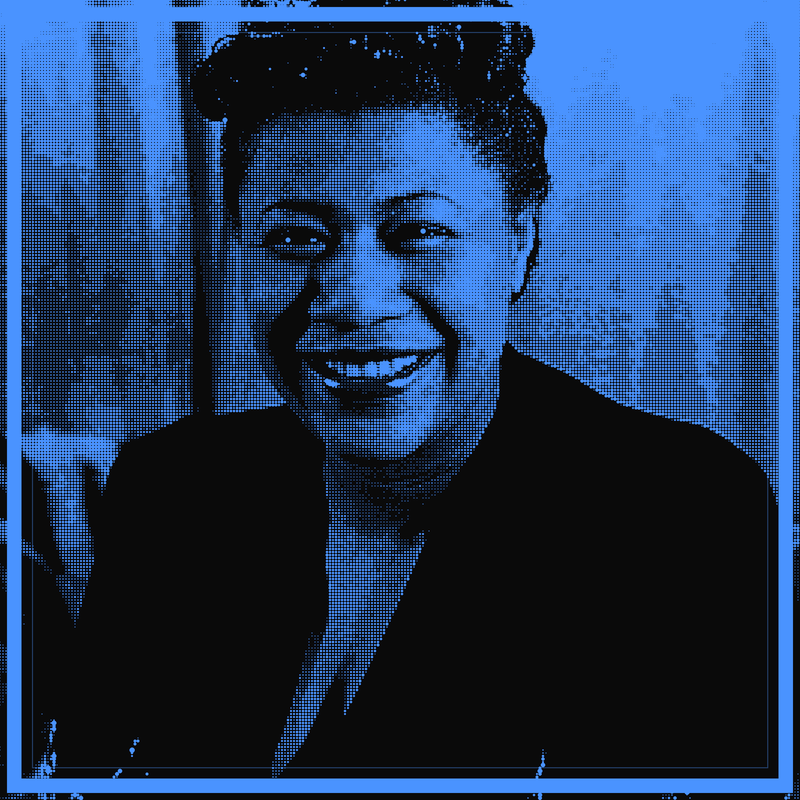
What the numbers say: Performance 100, Identity 100, Influence 100. The American Songbook series — Cole Porter, Rodgers and Hart, the Gershwins, Irving Berlin, Duke Ellington — she recorded the definitive versions of the Great American Songbook. Those albums are the standard by which every other interpretation of those songs is measured. Thirteen Grammy Awards. Forty studio albums. She scat sang better than anyone who has ever lived. Frank Sinatra called her the greatest. Tony Bennett called her the greatest. The competition called her the greatest. The case is closed.

What the numbers say: Performance 90, Identity 92, Studio Craft 88. Dirt is one of the definitive albums of the 1990s — Rooster, Down in a Hole, Would?, and Them Bones are canon. Layne Staley and Jerry Cantrell's vocal harmonies were unlike anything else in grunge or metal. Jar of Flies was the first EP to debut at #1 on the Billboard 200. The weakness is catalog depth — Staley's death in 2002 cut the original lineup short at three essential albums. The strength is that those three albums are flawless, and the band's continuation with William DuVall has been surprisingly credible.
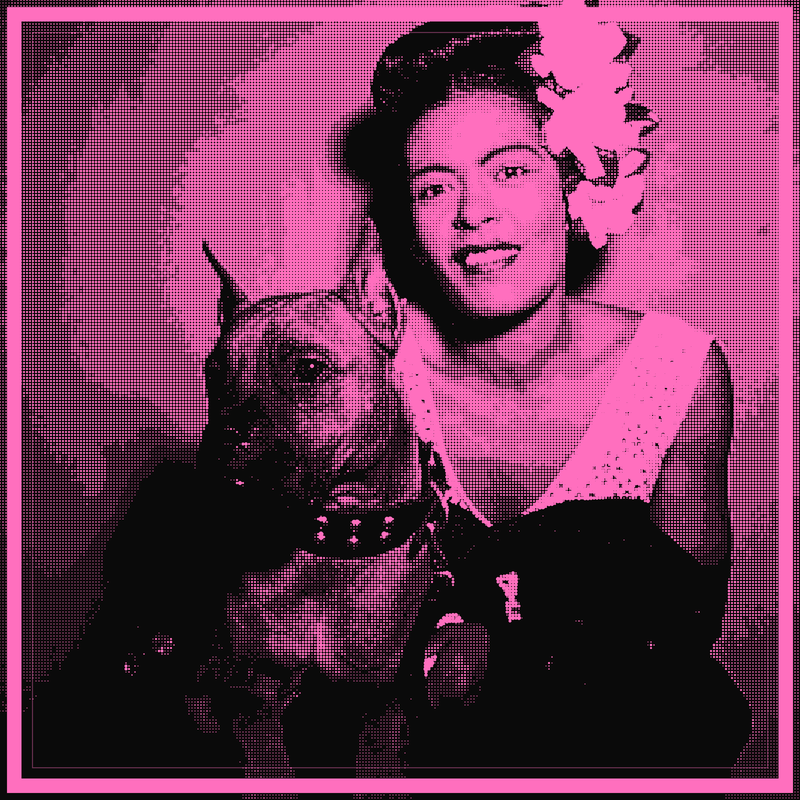
What the numbers say: Performance 100, Identity 100, Culture 100, Influence 100. Strange Fruit changed what popular music was allowed to say about race in America. It was banned from radio. It was called subversive. It was recorded by a Black woman in 1939 in a country that was still lynching Black men. The gardenia in her hair. The phrasing that bent notes until they felt like they were bleeding. She didn't have a long life or a stable one but she had the most influential voice in jazz history. Every singer who learned to phrase a song with feeling learned it partially from her.

What the numbers say: Influence 97, Performance 95, Culture 95. Strange Things Happening Every Day crossed over to the R&B charts in 1945 — arguably the first rock and roll record. She played a Les Paul before Les Paul made it famous. Her 1964 Manchester concert footage shows a guitar technique that wouldn't look out of place at a blues festival fifty years later. Commercial 40 reflects the era — no RIAA, no charts as we know them. The weakness is Catalog 60, shaped by the recording industry's indifference to Black women guitarists in the 1940s. The strength is that everyone who built rock and roll knew her name and said so.

What the numbers say: Influence 100, Studio Craft 98, Versatility 96. The résumé as a producer alone would earn a card: Heroes and Low for Bowie, Remain in Light for Talking Heads, The Unforgettable Fire and Achtung Baby for U2, Disintegration for The Cure. As a solo artist, Music for Airports invented ambient as a genre. Oblique Strategies changed how artists think about creative process. Commercial 45 is the price of making art that reshapes how other people make hits. The weakness is Performance 55 — he's not a performer in any traditional sense. The strength is that his fingerprints are on more iconic records than almost anyone alive.

What the numbers say: Commercial 96, Performance 98, Peaks 90. Falling into You and Let's Talk About Love sold a combined 60 million copies. The Las Vegas residency at Caesars Palace ran for 16 years and grossed over $680 million, redefining what a residency could be. The weakness is Identity 72 — the music was engineered for maximum emotional impact, which critics read as a lack of artistic edge. The strength is that the voice is undeniable: technically one of the greatest instruments in pop history, deployed with total commitment every single time.

What the numbers say: Culture 90, Identity 92, Peaks 85. Essence reached the Billboard Hot 100 and became the first Afrobeats song to be certified Gold in the US. Made in Lagos was the album that proved Afrobeats could sustain a full-length international release, not just singles. His collaborations span Drake, Beyoncé, and Chris Brown — the crossover portfolio is deep. Commercial 68 reflects the streaming-era reality where global plays don't always convert to US certifications. The weakness is catalog consistency — the albums between Ayo and Made in Lagos are uneven. The strength is that when he locks in, the songs are undeniable.
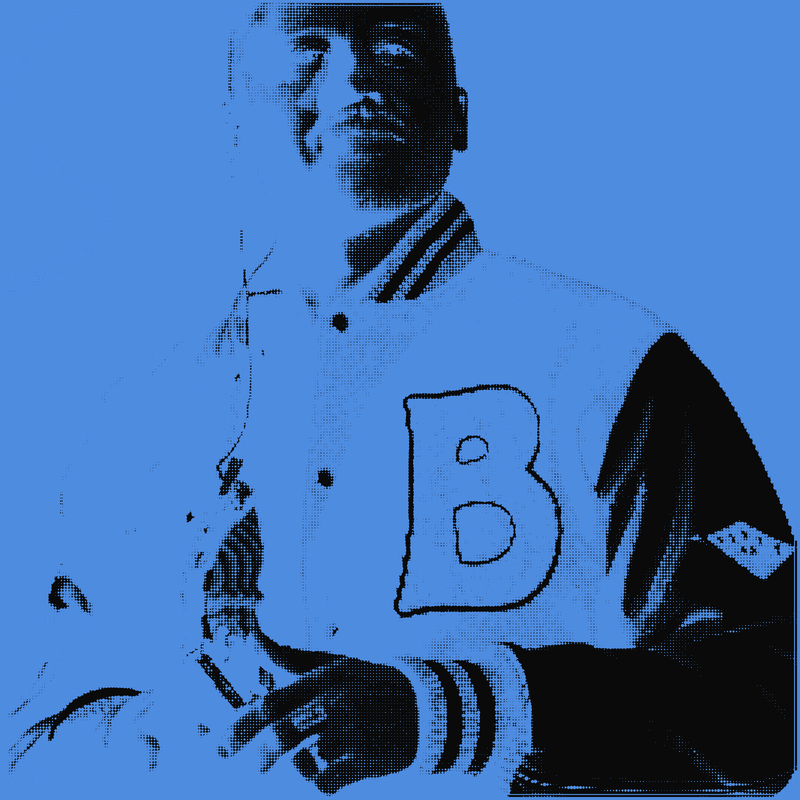
What the numbers say: Commercial 88 / Peaks 88 — Thrift Shop went No. 1 fully independent, a real feat. Influence 76 — the lowest number: critically dismissed and culturally polarizing. Songwriting 84 — Same Love mattered, even as the rest divided people.
The run: 2012 — The Heist, with Ryan Lewis, becomes a self-released phenomenon. 2014 — beats Kendrick for Best Rap Album and texts an apology about it. The novelty faded fast, but the indie-success precedent was real.
Eye test: A genuine commercial achievement wrapped in a credibility problem. The asterisk card.
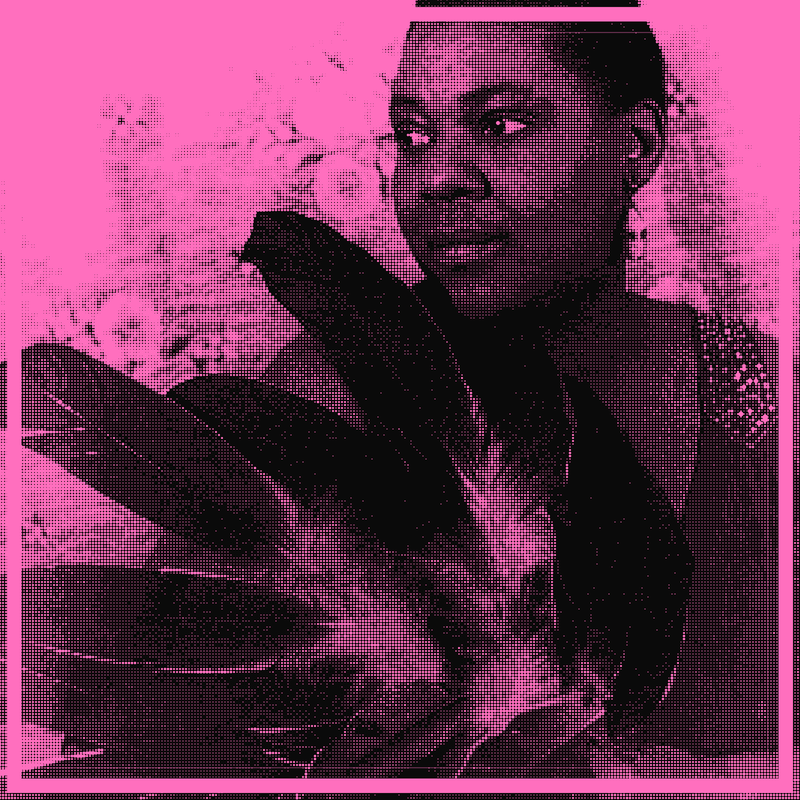
What the numbers say: Performance 97, Identity 97, Influence 97, Culture 95. The lows — Studio Craft 62, Commercial 60, Versatility 48 — are the shape of her era, not a failure of hers. She recorded on primitive 1920s equipment, performed almost exclusively in the blues lane, and died in 1937 before the commercial apparatus that would have amplified her existed. Downhearted Blues (1923) sold 780,000 copies in six months — staggering for the era and for a Black artist at the time. She influenced Billie Holiday, Janis Joplin, and Aretha Franklin directly and explicitly.
Career arc: 1923–1937. Columbia Records starting 1923. 160 recorded sides across the decade. The highest-paid Black entertainer in America in the mid-1920s. Her star faded with the Depression and changing tastes. Died in a car accident in Mississippi at 43. Columbia's John Hammond organized a revival of interest in the 1960s that secured her legacy.

What the numbers say: Commercial 88, Identity 100, Peaks 82. KISS sold over 75 million albums and built one of the most recognizable visual brands in entertainment history. Rock and Roll All Nite, Detroit Rock City, I Was Made for Lovin' You — the hits were designed for arenas and delivered accordingly. Alive! is one of the definitive live albums. The weakness is Songwriting 60 and Studio Craft 62 — the studio records were inconsistent and the musicianship was functional, not virtuosic. The strength is that Identity 100 is real: no band in history was more committed to the total package of music as spectacle.

What the numbers say: Versatility 84 / Songwriting 85 — a genuine genre-fuser with strong, personal writing. Commercial 78 — the lowest number, reflecting an indie rather than mainstream reach. Identity 84 — a clear, soulful, cross-cultural artistic voice.
The run: late 2010s–2020s — SoulFusion and follow-up projects build critical respect and a loyal base across the soul/Afro-fusion underground. A respected indie artist more than a chart presence.
Eye test: Craft-and-fusion over commercial scale. The indie-respect card. [Verify latest releases.]

What the numbers say: Commercial 92, Peaks 95, Catalog 94. Sixty number-one country singles. That number is not a typo and no one else is close. He sold 120 million records without ever chasing a pop crossover, without a reality show, without a social media presence. The weakness is Influence 65 — his traditionalist approach was respected but didn't spawn a movement the way outlaw country or bro-country did. The strength is that Catalog 94 tells the real story: the consistency across four decades of recording is unmatched in country music.

What the numbers say: Identity 88 — a massive pre-existing platform and a clear visual brand. Studio Craft 86 — Diet Pepsi and Headphones On surprised skeptics with genuine quality. Influence 80 — the credibility shift is the story; Catalog 74 reflects how new the music is.
The run: 2020–21 — TikTok superstardom and an early, panned single. 2024 — Diet Pepsi and an acclaimed EP flip the narrative entirely. The rare influencer-to-artist pivot that actually landed.
Eye test: The redemption-arc card. Platform plus an unexpected ear for good pop.

What the numbers say: Identity 92 / Culture 88 — a fearless, meme-generating personality that dominated 2023's conversation. Songwriting 78 — chant-and-shock driven, the lowest number, and entirely intentional. Peaks 86 — Pound Town and SkeeYee were inescapable.
The run: 2023 — Pound Town and SkeeYee go viral and Hood Hottest Princess makes her a phenomenon; a Drake co-sign supercharges the rise. Polarizing by design, undeniably central to the year's culture.
Eye test: Shock value and personality as the engine. A genuine cultural moment, lyricism aside.

What the numbers say: Identity 88 — the throwback-loverboy comedic persona is fully realized. Peaks 84 — Betty (Get Money), flipping Rick Astley, became a real hit. Influence 78 — novelty by design, which caps the serious-influence number.
The run: 2016 onward — a flood of sample-heavy, tongue-in-cheek tracks build an online following. 2022 — Betty (Get Money) crosses over. A comedy-rap niche carved out and held.
Eye test: Funny, self-aware, and more durable than novelty acts usually are.

What the numbers say: Identity 88 — a goofy, irreverent, internet-first persona. Catalog 82 — relentlessly prolific and fully independent. Commercial 84 — Lalala (with Y2K) was a genuine global streaming hit. Influence 78 — niche by nature.
The run: late 2010s onward — a steady stream of self-released, comedy-tinged tracks. 2019 — Lalala goes viral worldwide. A model independent internet-rap career, sustained on volume and personality.
Eye test: The DIY internet-rap blueprint. Small lane, run efficiently.

What the numbers say: Identity 90 — the look, the hair, the deadpan delivery are instantly iconic. Culture 86 — a genuine internet phenomenon with a Nicki Minaj and a Taylor Swift collab. Catalog 72 — built on EPs and singles, the full body of work still thin.
The run: 2022 — Munch goes viral and Bronx drill has a new star. 2023 — Princess Diana, Barbie World, and the Karma feature with Taylor Swift make her ubiquitous. The rise was almost entirely powered by the algorithm.
Eye test: The purest TikTok-era ascent on the board. Image and virality over deep catalog.

What the numbers say: Identity 95, Studio Craft 90, Influence 88. Try Again was the first song to reach #1 on the Hot 100 based solely on airplay. The Timbaland-produced run — One in a Million, Are You That Somebody?, Try Again — redefined what R&B production could sound like. Her death at 22 in 2001 froze a career that was accelerating into film and fashion. Commercial 72 reflects the short catalog. The weakness is Catalog 65 — three albums, period. The strength is that those three albums influenced Drake, The Weeknd, Tinashe, and the entire dark-R&B aesthetic that dominated the 2010s.
What the numbers say: Peaks 80, Commercial 75, Culture 78. O.P.P. hit #6 on the Hot 100 and went platinum — a hardcore hip-hop track on pop radio at a time when that almost never happened. Hip Hop Hooray became an anthem. Treach was a legitimate MC with a fierce delivery, and the group's connection to the broader New Jersey hip-hop scene (Queen Latifah, Redman, the Flavor Unit) gave them deep roots. The weakness is Catalog 68 — the albums after 19 Naughty III fell off commercially. The strength is that the two signature songs remain inescapable at any hip-hop event, and their bridge role between golden-age hip-hop and mainstream crossover is historically real.

What the numbers say: Performance 98, Culture 98, Influence 95, Identity 100. Move On Up a Little Higher sold over two million copies in 1948 — a gospel record. She sang at JFK's inauguration and at the March on Washington. King asked her to sing before his 'I Have a Dream' speech. She refused every offer to cross over into secular music, which makes Commercial 45 a choice, not a failure. The weakness is Versatility 50 — one genre, one mode, no deviation. The strength is that within that mode she was untouchable, and her vocal influence runs through Aretha, Whitney, and every gospel-trained singer who followed.

What the numbers say: Commercial 82, Peaks 88, Culture 85. DDU-DU DDU-DU was the most-viewed music video by a K-pop group. Born Pink debuted at #1 on the Billboard 200. The Coachella 2023 headline slot was historic — the first K-pop act to headline a major Western festival. The weakness is Catalog 55 — two studio albums and a handful of singles across seven years is thin by any standard. The strength is that the impact-per-song ratio is among the highest on the roster: every release was an event, and the global touring numbers rival legacy acts with ten times the catalog.

What the numbers say: Influence 98, Culture 100, Songwriting 95. This Land Is Your Land is taught in every American school. He wrote over a thousand songs, most of them about working people, and the political folk tradition he built runs directly through Pete Seeger, Bob Dylan, Bruce Springsteen, and every protest singer since. Commercial 25 reflects the reality — he was a Dust Bowl-era folk singer who recorded on indie labels before the album era. The weakness is Studio Craft 40 and Performance 48 — the recordings are lo-fi field documents, not produced records. The strength is that the songs didn't need production. They needed a guitar, a voice, and the truth.